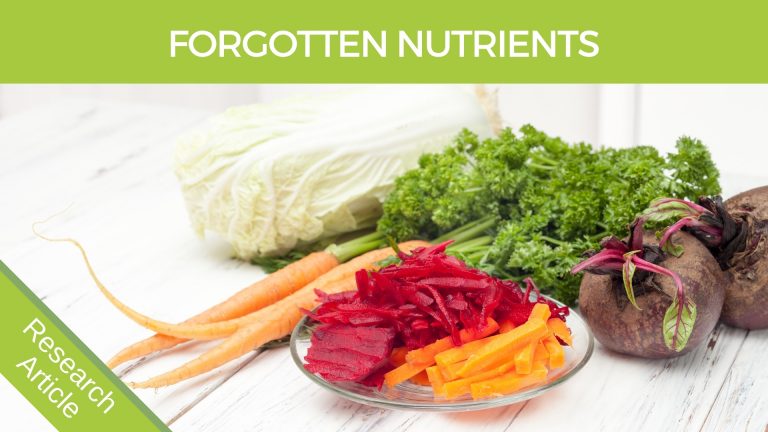
Conventional 'Mainstream' Nutritionists speak in terms of two main groups:
Carbohydrates, Protein, Fat, Fiber (4)
Vitamins: A, B (group), C, D, E and K
Minerals: Calcium, Fluoride, Iodine, Iron, Selenium, Sodium, Zinc, Sulfur
You will notice on food labeling this is all they mention at most, and even then, some are often missing!
The reason for this is, that it's simply too difficult to test for all the other overlooked complex nutrients and they are not regarded as important.
The frightening truth about our foods is that many of the missing micronutrients and phytochemicals I am going to talk about here are also potentially vital to the health of our body, and therefore this deficiency may be underlying many of our most common health problems.
Let's talk about the top 9 categories of forgotten nutrients, and discuss where and how we can get more of these essentials into our regular diet.
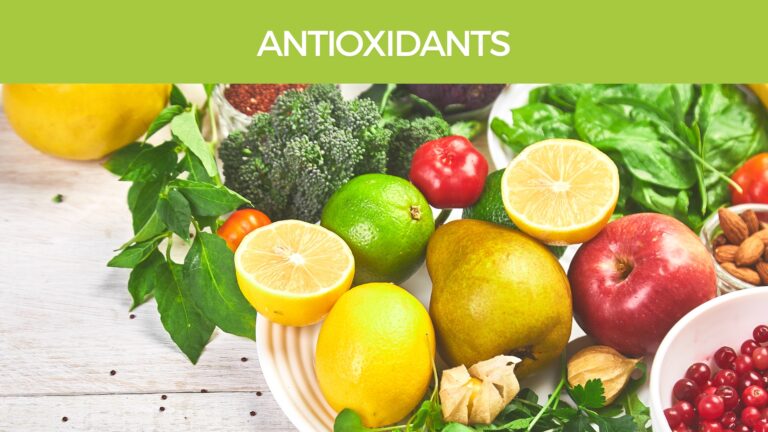
Vitamin P (Antioxidants)
We've all heard the news about red wine, supposedly improving cardiovascular health, due to its antioxidant flavonoids. Yes, there is very little importance placed on the antioxidant value of food in the marketplace. Organic produce, for example, can have up to 10 times the antioxidant value of commercially grown produce.
I believe antioxidants are the largest category of overlooked nutrients. Antioxidants are wide and varied including polyphenols, anthocyanidins, hesperidin, catechins, and carotenoids to mention just a few. They help protect the cells and tissue from oxidation-related damage and inflammation.
Our body naturally produces antioxidants to protect us. These antioxidants can be non-enzymes (like glutathione, coenzyme Q, and melatonin) or enzymes (like superoxide dismutase and catalase).
Besides the ones our body makes, we also get antioxidants from our diet and other sources outside the body. These come from foods and supplements and include carotenoids, tocopherols, vitamin D, phenolic acids, flavonoids, and ascorbic acid, as well as high-molecular-weight metabolites like tannins. (3)
Analysis has demonstrated that there are several thousand-fold differences in the antioxidant content of foods. Berries, plus red, orange, and yellow-colored plant foods are particularly high in these nutrients. Spices, herbs, and supplements include the most antioxidant-rich products with plant-based food following close behind.
Once again herbs and spices come out on top!
See a comprehensive list of antioxidant food values here.
There can be up to 10 times the trace mineral levels in organic fruit and vegetable produce.
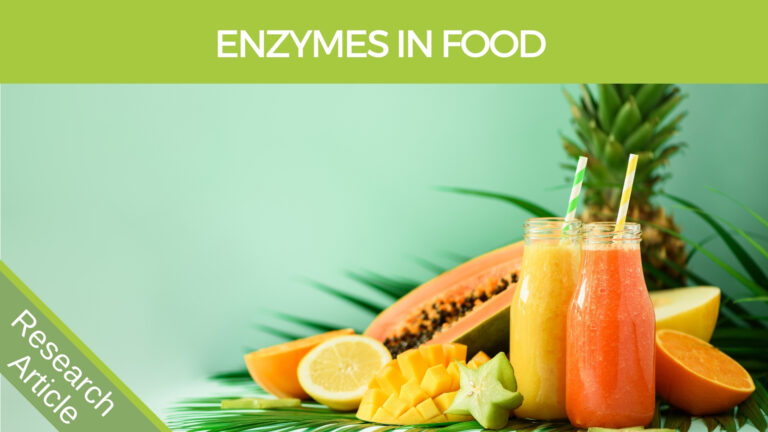
Enzymes can speed up the metabolic processes in our body up to 1,000,000 times, and we can become chronically deficient in enzymes as they mostly come from diet.
Food enzymes can be found in raw foods like fresh fruits and vegetables when ingested as part of the diet. The ability of plant enzymes to assist in digestion is destroyed when foods are cooked, pasteurized, or heat-processed as the heat changes the natural structure of plant enzymes and ruins their catalytic ability.
Pineapple and Kiwifruit among many other fruits actually contain enzymes that we need to obtain from food in order to keep our digestive enzymes at optimum healthy levels.
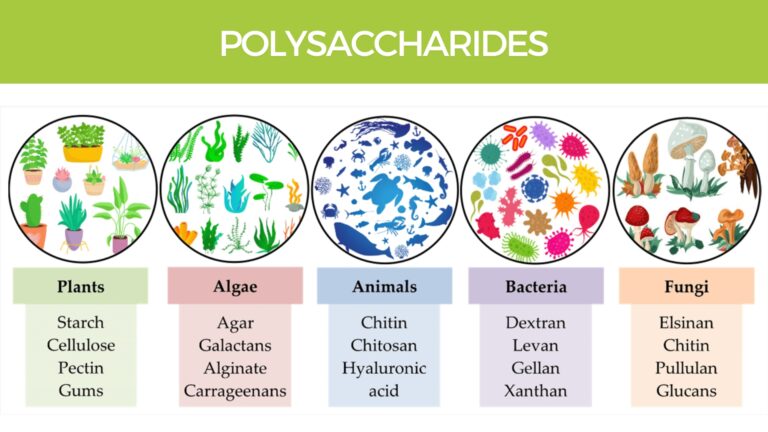
Although plant foods provide a range of essential dietary components, they are particularly important as a source of dietary carbohydrates, providing almost all of the carbohydrate and therefore much of the energy in the adult diet.
Polysaccharides are a large group of complex carbohydrate derivatives and include the following; Galactomannans, Arabinoxylans, Xyloglucans, Glucomannans, Pectic polysaccharides, Oligosaccharides plus their many family members.
Polysaccharides are found in many plants/herbs and perform many wide and varied functions, mainly to do with cellular communication. It has become clear that polysaccharides play a positive role in reducing risk factors for chronic diseases including Cardiovascular disease, Metabolic disease and certain types of Cancer. (2)
Of particular interest are the Mushrooms, known for their immune-modulating and anti-tumor properties, due to the polysaccharide fraction, mainly beta-glucans, being responsible for the immune-modulating effects. (8)
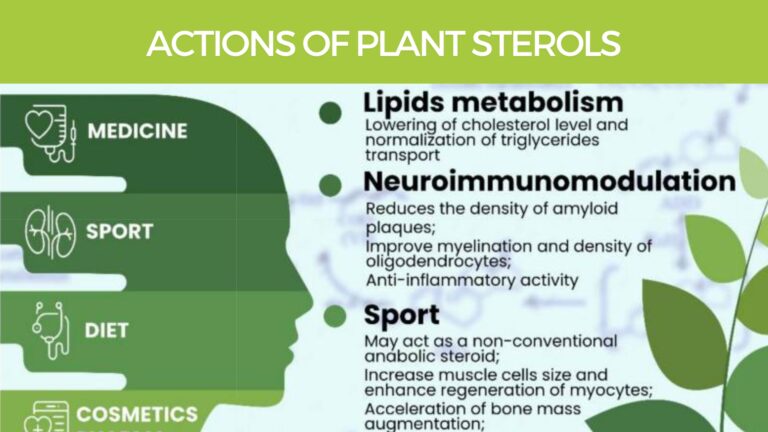
Spinach and Orange are classic examples of foods that contain actual plant steroids, boosting energy and tissue growth. Spinach contains Phyto-Ecdysteroids while orange skin contains Synephrine. Many plants contain hormone-boosting compounds.
Licorice root is known to have an indirect effect on regulating adrenal function and cortisol levels.
In professional sports, the idea of using certain plant substances to boost muscle growth is appealing. With the rise of plant-based supplements and additives claiming to enhance elite athletes' performance, the World Anti-Doping Agency (WADA) has started keeping an eye on some suspected dietary compounds, including ecdysterone (specifically, 20β-OH-ecdysone). (9)
In 2019, WADA mentioned that ecdysterone might work like an unconventional muscle-building steroid. It seems to be highly effective because it interacts with estrogen receptors, potentially surpassing the performance of some synthetic steroids. (9)
Plant sterol's transformation and their benefits for humans is still a question under the massive continuing revision. In fact, there are no receptors for binding with sterols in mammalians. However, possible biotransformation to steroids that can be catalyzed by gastro-intestinal microflora, microbial cells in prebiotics, or cytochromes system were repeatedly reported. (9)
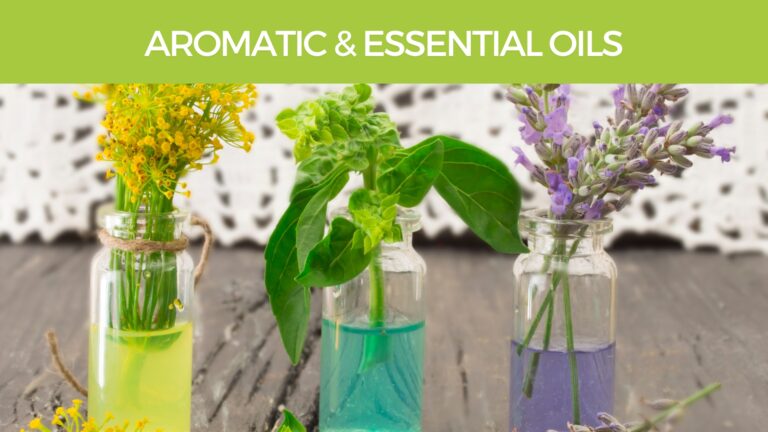
The aromatic herbs from different sources have biodiversity effects on the cardiovascular, central nervous, respiratory, and gastrointestinal systems. They also play important roles in antibiosis, anti-inflammation, anticancer, antivirus absorption enhancement, etc. In recent years, the herbal volatile oil and aromatic herbs have been widely reported to show broad prospects in medicinal application. (7)
Aromatic herbs are often eaten along with raw food, salads and used in cooking, especially Asian cuisine.
Use them as often as possible and you will feel the difference.
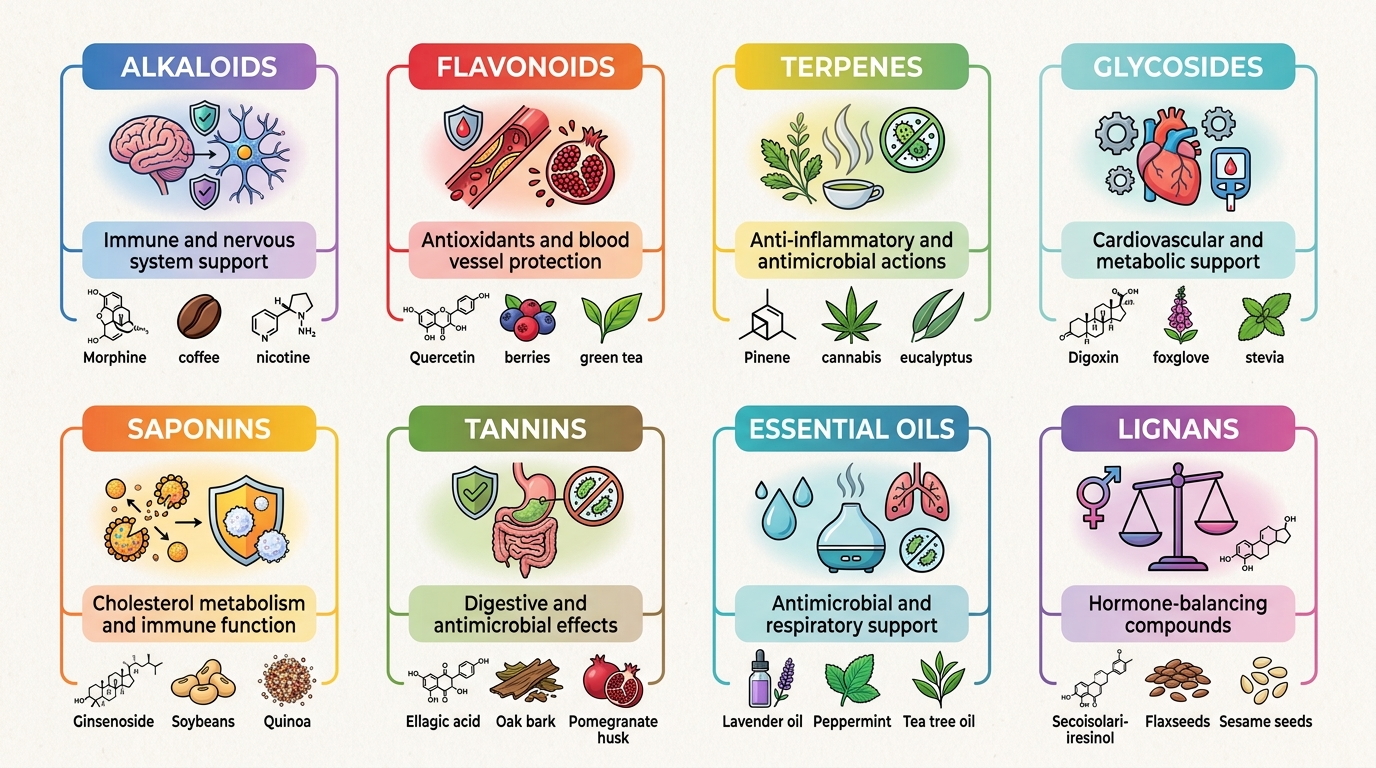
Beyond vitamins and minerals lies another remarkable group of plant chemicals that give herbs their medicinal power. These are known as medicinal plant constituents. Unlike nutrients that prevent deficiency diseases, these compounds actively influence body function by supporting detoxification, immunity, circulation, digestion, inflammation, hormone balance, and cellular repair.
Many modern pharmaceuticals were originally discovered by studying these naturally occurring plant chemicals.
These compounds explain why herbs such as turmeric, milk thistle, cinnamon, garlic, ginger and green tea have been used medicinally for thousands of years.
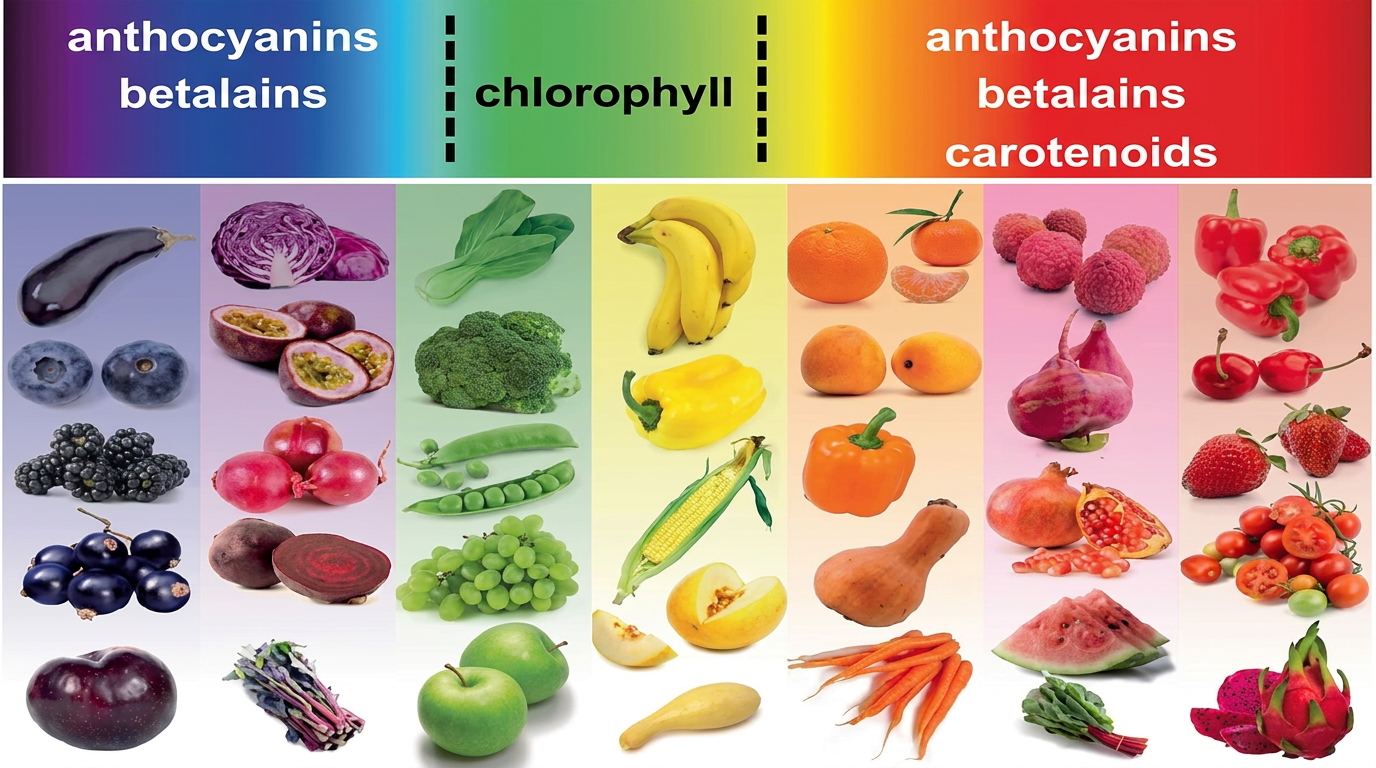
The vibrant colours found in fruits, vegetables and herbs are far more than visual beauty. Plant pigments are biologically active compounds that protect plants from sunlight, insects and disease, while providing powerful antioxidant and anti-inflammatory benefits for humans.
Each colour represents hundreds of unique phytochemicals working together to protect cells from oxidative damage and inflammation.
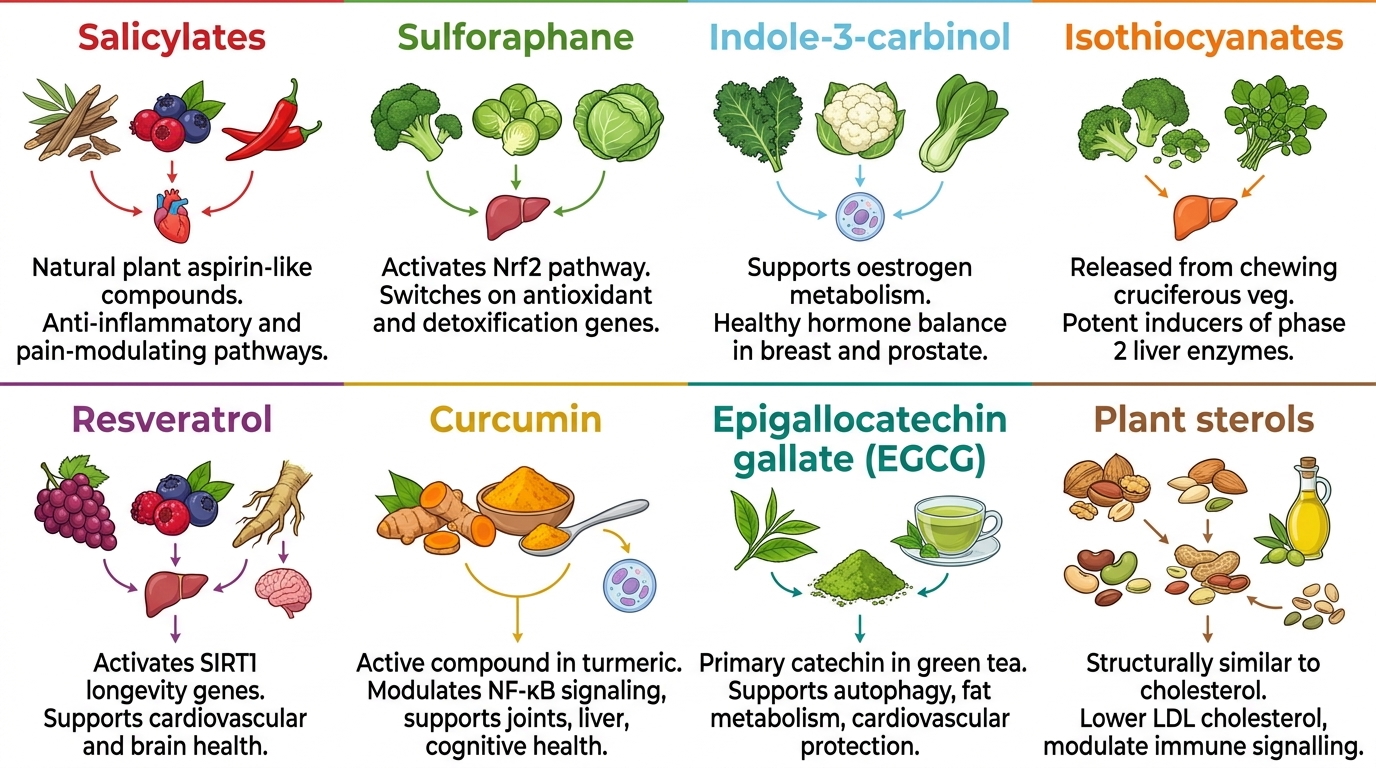
Perhaps the most overlooked group of plant compounds are those that communicate with our cells rather than simply nourish them.
Plants naturally produce signalling molecules that help them survive stress, injury and infection. Remarkably, many of these compounds also influence human physiology by activating our own protective pathways.
Rather than forcing the body to change, these compounds encourage it to restore balance naturally.
Researchers now recognise that many of these compounds work through hormesis — a process in which mild biological stress activates the body's own detoxification enzymes, antioxidant systems, DNA repair mechanisms, and cellular defence pathways. This may explain why diets rich in colourful vegetables, herbs, spices and medicinal plants are consistently associated with healthier ageing and a lower risk of chronic diseases.
We have moved ahead from thinking that only a relatively small number of dietary factors possess biological activity to recognise that there are hundreds and perhaps thousands of such factors. It will be many years before our understanding of phytochemicals approaches our knowledge of vitamins and minerals — however it is worth noting that our knowledge of vitamins and minerals is still incomplete. It does appear that phytochemicals help explain why plant-based diets, in general, are associated with a reduced risk of many chronic diseases. (6)
This is just the tip of the iceberg, and we literally don't have space here to cover all the overlooked nutrients.
When it comes to nutrition you will find dozens of super nutritious plant and vegetable foods, herbs and spices that can easily be incorporated into your diet.
There are many dozens of other nutrients found in plants and herbs. The key piece of information to take away is this: eat a wide and varied whole-food plant-based diet if you want to get all the beneficial nutrients provided by nature.
Many nutrients are stripped in industrial processing, heating, and chemical treatment, so eat as close to the garden as possible if you want to receive good nutrition.
One of the possible reasons why people report so many health conditions that improve when completing the Ultimate Herbal Detox program could be the large increase in micronutrients, especially high levels of antioxidants, aromatic herbs, and enzymes.
In good health,
Brett Elliott ®
The following sources were used in the preparation of this article. Inline citation numbers in the article text link to the corresponding reference below.
