- 2 weeks ago
- 10Minutes
- 2164Words
- 234Views
Tabebuia avellanedae (syn. Handroanthus impetiginosus)
Common Names:
- Pau d’Arco
- Lapacho
- Taheebo
- Ipe Roxo
- Purple Trumpet Tree
- Pink Trumpet Tree
- Brazilian Lapacho
Botanical Family:
- Bignoniaceae
Part Used Medicinally:
- Inner bark (phloem)
1. Antibacterial activity of lapachol and β-lapachone against resistant bacteria
https://pmc.ncbi.nlm.nih.gov/articles/PMC1435768/
2. Antifungal activity of Tabebuia species and naphthoquinones
https://pubmed.ncbi.nlm.nih.gov/21549673/
3. Anti-inflammatory mechanisms of β-lapachone
https://pubmed.ncbi.nlm.nih.gov/33158575/
4. Phytochemistry and antioxidant activity of Tabebuia impetiginosa
https://www.sciencedirect.com/science/article/abs/pii/S0031942221000601
5. Trypanocidal activity of lapachol and related naphthoquinones
https://pubmed.ncbi.nlm.nih.gov/15120087/
6. β-Lapachone: mechanisms of action and therapeutic potential
https://www.sciencedirect.com/science/article/pii/S022352342030934X
7. Toxicological evaluation of lapachol compounds
https://pubmed.ncbi.nlm.nih.gov/11408064/
8. Review: Pharmacological properties of Tabebuia impetiginosa
https://pubmed.ncbi.nlm.nih.gov/17260216/
Botanical Information
Description
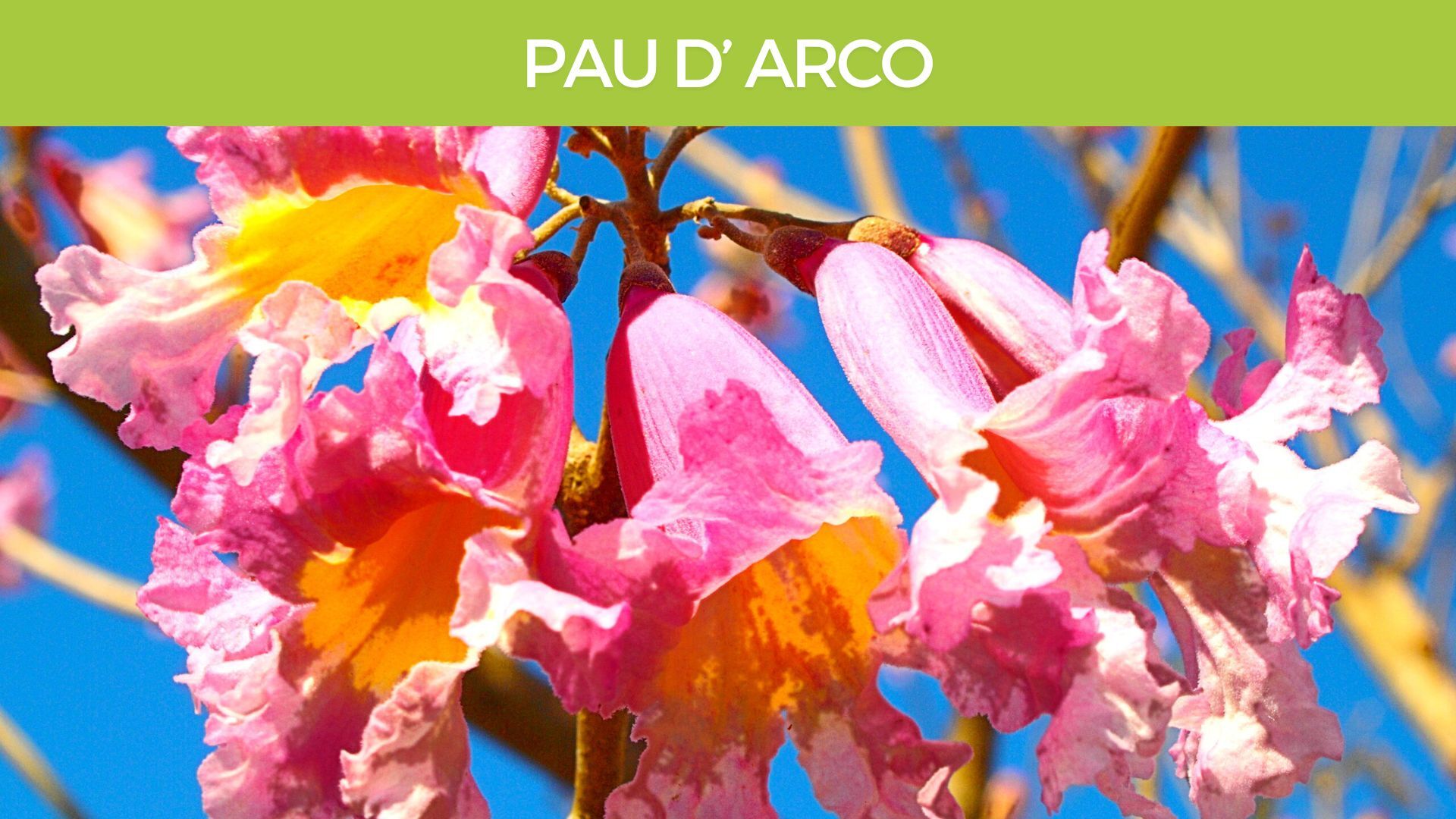
Pau d’Arco is a large flowering tree native to tropical and subtropical regions of Central and South America, particularly Brazil, Argentina, Bolivia, Paraguay and Peru. It belongs to the Bignoniaceae family and is recognised by its spectacular trumpet-shaped flowers, which range from pink and purple to white depending on the species.
The name Pau d’Arco translates from Portuguese as “bow tree”, referring to the historical use of the strong, flexible wood by indigenous peoples for making hunting bows.
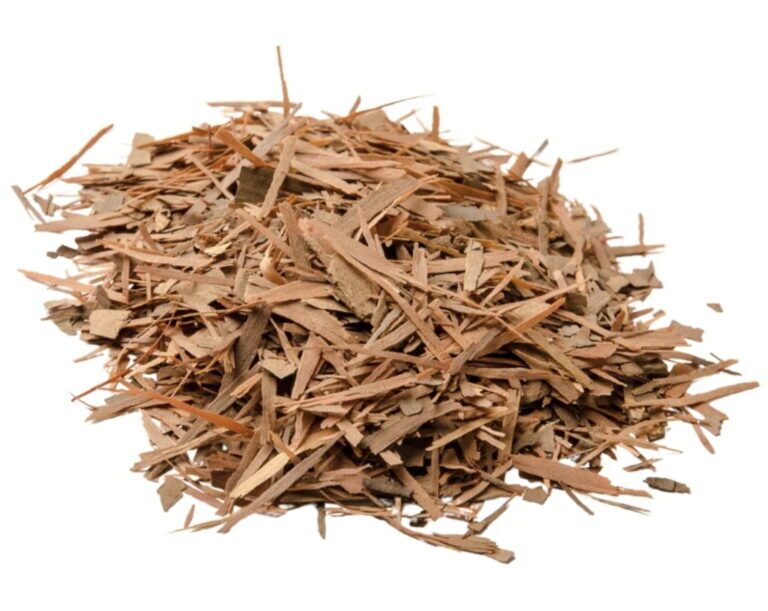
The medicinal part of the plant is the inner bark, which contains a concentrated mixture of naphthoquinones, flavonoids, phenolic compounds and other secondary metabolites responsible for its biological activity.
Traditional harvesting involves removing strips of inner bark while allowing the tree to continue growing. The bark is then dried and commonly prepared as a decoction (tea), tincture or powdered extract.
Taxonomy
Kingdom: Plantae
Order: Lamiales
Family: Bignoniaceae
Genus: Tabebuia / Handroanthus
Species: Tabebuia avellanedae
Modern botanical classification has moved many medicinal Tabebuia species into the genus Handroanthus, with Handroanthus impetiginosus now often considered the accepted scientific name for the species traditionally referred to as Tabebuia avellanedae.
Traditional Uses of Pau d’Arco
Pau d’Arco has a long history of use in South American traditional medicine. Indigenous groups, including the Guarani and other Amazonian cultures, have used the bark for centuries as a general tonic and cleansing herb.
Traditional herbalists considered Pau d’Arco a “blood purifier” and an herb capable of restoring balance when the body was affected by infection, inflammation or environmental stress.
Traditional Uses Include:
Antimicrobial Support
Traditionally used for:
- Fungal infections
- Candida-related complaints
- Skin infections
- Intestinal infections
- Parasites
- Respiratory infections
Immune Support
Traditionally used during:
- Seasonal illness
- Chronic infections
- Periods of weakness or fatigue
Digestive Health
Traditional applications include:
- Digestive disturbances
- Dysbiosis
- Intestinal parasites
- Poor digestion associated with microbial imbalance
Inflammatory Conditions
Traditionally used for:
- Arthritis
- Joint discomfort
- Muscle pain
- Chronic inflammatory conditions
Skin Health
External and internal use has traditionally included support for:
- Eczema
- Psoriasis
- Fungal skin conditions
- Wounds
- Ulcers
Traditional “Detoxification” Use
Many South American herbal traditions classify Pau d’Arco as a cleansing herb because of its traditional use in supporting:
- Liver function
- Blood purification
- Elimination of microbial toxins
- General vitality
Modern research suggests some of these traditional applications may relate to its antioxidant, antimicrobial and anti-inflammatory properties.
Active Constituents
Pau d’Arco contains numerous bioactive compounds. The medicinal activity is largely attributed to a group of compounds called naphthoquinones, particularly lapachol and β-lapachone.
Naphthoquinones
1. Lapachol
Lapachol is one of the best-known constituents of Pau d’Arco.
Research has demonstrated:
- Antimicrobial activity
- Antiparasitic activity
- Anti-inflammatory effects
- Antioxidant activity
- Modulation of cellular signalling pathways
Lapachol has historically been investigated for its effects against infections and cancer-related pathways. (1)
2. β-Lapachone
β-Lapachone is a naturally occurring quinone compound that has received significant scientific interest.
Potential biological actions include:
- Activation of NAD(P)H quinone oxidoreductase 1 (NQO1)
- Regulation of oxidative stress
- Modulation of mitochondrial metabolism
- Antimicrobial activity
- Anti-inflammatory effects
- Induction of programmed cell death pathways in certain abnormal cells (2)
3. α-Lapachone
Another related naphthoquinone compound with:
- Antioxidant activity
- Antimicrobial effects
- Cellular signalling activity
Flavonoids
Pau d’Arco contains several flavonoids, including:
- Quercetin derivatives
- Flavones
- Flavonols
Flavonoids are well known for:
- Free radical scavenging
- Supporting antioxidant defence systems
- Modulating inflammatory pathways
- Protecting cellular structures
Phenolic Compounds
Important phenolic constituents include:
- Acteoside
- Isoacteoside
- Phenolic acids
These compounds contribute to:
- Antioxidant activity
- Anti-inflammatory effects
- Cellular protection
Other Constituents
Additional compounds identified include:
- Coumarins
- Anthraquinones
- Tannins
- Benzoic acid derivatives
- Essential oils
The combination of these compounds creates a broad spectrum phytochemical profile rather than a single active ingredient.
Mode of Action
Pau d’Arco demonstrates multiple biological actions. Unlike pharmaceutical drugs that generally target one pathway, medicinal herbs often influence networks of biological processes.
Antifungal Activity
One of the most recognised traditional uses of Pau d’Arco is supporting fungal balance.
Laboratory studies show that lapachol and related compounds can inhibit fungal growth by affecting:
- Cellular membrane integrity
- Fungal energy production
- Oxidative balance
- Cellular reproduction
Research has demonstrated activity against species including:
- Candida albicans
- Candida glabrata
- Other pathogenic fungi
(3)
Antibacterial Activity
Pau d’Arco compounds demonstrate antibacterial activity against several bacterial species.
Proposed mechanisms include:
- Disruption of bacterial enzymes
- Interference with DNA replication
- Damage to microbial cellular structures
Research has shown activity against:
- Staphylococcus aureus
- Methicillin-resistant Staphylococcus aureus (MRSA)
- Other pathogenic bacteria
Anti-inflammatory Effects
Chronic inflammation is associated with many modern health conditions.
Pau d’Arco compounds may help regulate inflammation by influencing:
Nuclear factor kappa B (NF-κB)
- Cyclooxygenase-2 (COX-2)
- Prostaglandin production
- Tumour necrosis factor-alpha (TNF-α)
- Interleukin inflammatory pathways
(5)
These actions may help explain traditional use for inflammatory disorders such as arthritis and chronic pain.
Antioxidant Activity
Oxidative stress occurs when free radical production exceeds the body’s antioxidant capacity.
Pau d’Arco provides antioxidant compounds that may:
- Neutralise reactive oxygen species (ROS)
- Protect cellular membranes
- Reduce oxidative damage
- Support normal ageing processes
(6)
Immune Modulation
Rather than simply stimulating immune activity, Pau d’Arco appears to have an immune-balancing effect.
Potential actions include:
- Supporting normal immune cell activity
- Reducing excessive inflammatory signalling
- Helping maintain microbial balance
This may explain why traditional healers used it both for infections and chronic inflammatory conditions.
Cellular Metabolism and NQO1 Activation
β-Lapachone has attracted significant scientific interest because of its interaction with the enzyme:
NAD(P)H quinone oxidoreductase 1 (NQO1)
NQO1 plays roles in:
- Cellular detoxification
- Antioxidant defence
- Regulation of oxidative stress
β-Lapachone can create controlled oxidative stress in cells with high NQO1 activity, a mechanism being investigated particularly in cancer research.
However, this research relates primarily to purified β-lapachone compounds rather than traditional Pau d’Arco preparations.
(2)
Therapeutic Benefits of Pau d’Arco
Candida and Fungal Balance
Pau d’Arco is one of the most popular herbal medicines traditionally used for Candida support.
Potential benefits:
- Supports healthy microbial balance
- May inhibit fungal growth
- May complement dietary and lifestyle approaches for fungal overgrowth
Research evidence:
- Strong laboratory evidence
- Limited human clinical evidence
(3)
Immune System Support
Pau d’Arco may support immune resilience through:
- Antioxidant protection
- Microbial balancing effects
- Anti-inflammatory activity
Traditional use has focused on strengthening the body during periods of illness and recovery.
Digestive Microbiome Support
Because Pau d’Arco demonstrates antimicrobial properties, it may help maintain balance within the digestive ecosystem.
Potential applications:
- Supporting healthy gut flora balance
- Reducing unwanted microbial overgrowth
- Supporting digestive comfort
However, because antimicrobial herbs may also affect beneficial organisms, long-term continuous use should be approached thoughtfully.
Inflammation and Joint Health
The anti-inflammatory actions of β-lapachone and other constituents suggest potential benefits for inflammatory conditions.
Possible mechanisms:
- Reduced inflammatory cytokines
- Reduced oxidative stress
- Modulation of inflammatory enzymes
(5)
Skin Health
Traditional external and internal use has included:
- Fungal skin conditions
- Minor wounds
- Irritated skin
Potential mechanisms include:
- Antimicrobial activity
- Anti-inflammatory effects
- Antioxidant protection
Antioxidant and Cellular Protection
The polyphenol content of Pau d’Arco may contribute to:
- Protection against oxidative damage
- Support of cellular resilience
- Healthy inflammatory balance
Cancer Research Potential
Pau d’Arco has received considerable attention because of β-lapachone research.
Laboratory studies suggest β-lapachone may:
- Activate NQO1-dependent pathways
- Generate oxidative stress selectively in certain cancer cells
- Trigger apoptosis (programmed cell death)
However:
- These findings are mainly from laboratory and animal studies
- They involve concentrated compounds rather than traditional herbal preparations
- Pau d’Arco should not be considered a cancer treatment
(2)6. Scientific Studies and Clinical Research
Although Pau d’Arco has a long history of traditional use, it is important to recognise that much of the scientific evidence comes from in vitro (laboratory) and animal studies. Human clinical trials using whole Pau d’Arco bark preparations are limited.
The strongest areas of scientific interest include:
- Antimicrobial activity
- Antifungal effects
- Anti-inflammatory mechanisms
- Antioxidant activity
- Antiparasitic effects
- Cellular metabolism and cancer research
Scientific Research & Studies
Study 1: Antimicrobial Activity Against Resistant Bacteria
Research Area:
Antibacterial activity of lapachol and β-lapachone
Findings:
Researchers investigated the antibacterial effects of Pau d’Arco-derived naphthoquinones against several bacterial strains, including antibiotic-resistant organisms.
Results demonstrated:
- Inhibition of bacterial growth
- Activity against Staphylococcus aureus
- Activity against methicillin-resistant Staphylococcus aureus (MRSA)
- Disruption of bacterial cellular processes
The researchers suggested that lapachol compounds may represent promising antimicrobial molecules due to their ability to affect bacterial survival pathways.
Clinical relevance:
This supports the traditional use of Pau d’Arco for:
- Skin infections
- Microbial imbalance
- Wound care
However, laboratory activity does not necessarily translate directly into equivalent effects in humans.
Reference: (1)
Study 2: Antifungal Activity Against Candida Species
Research Area:
Antifungal properties of Pau d’Arco extracts
Findings:
Studies investigating Tabebuia extracts have demonstrated antifungal effects against several fungal organisms, including:
- Candida albicans
- Candida tropicalis
- Other opportunistic fungi
Potential mechanisms include:
- Disruption of fungal cell membranes
- Interference with fungal metabolism
- Inhibition of fungal replication
Clinical relevance:
These findings support the traditional use of Pau d’Arco for:
- Candida-associated conditions
- Digestive microbial imbalance
- Fungal skin conditions
However, controlled human trials are still required.
Reference: (2)
Study 3: Anti-inflammatory Effects of β-Lapachone
Research Area:
Inflammatory signalling pathways
Findings:
β-Lapachone has been shown to influence several inflammatory pathways.
Research suggests it may reduce:
- NF-κB activation
- COX-2 expression
- Pro-inflammatory cytokines
- Nitric oxide production
These mechanisms are important because chronic inflammation contributes to many modern diseases.
Clinical relevance:
This research supports traditional applications for:
- Joint discomfort
- Inflammatory conditions
- Recovery from chronic stress
Reference: (3)
Study 4: Antioxidant Activity and Protection Against Oxidative Stress
Research Area:
Phenolic compounds and antioxidant capacity
Findings:
Pau d’Arco contains flavonoids and phenolic compounds capable of:
- Scavenging free radicals
- Protecting cells from oxidative damage
- Supporting endogenous antioxidant systems
Oxidative stress contributes to:
- Ageing processes
- Cardiovascular dysfunction
- Chronic inflammation
- Cellular damage
Clinical relevance:
The antioxidant properties may contribute to Pau d’Arco’s traditional reputation as a rejuvenating and cleansing herb.
Reference: (4)
Study 5: Antiparasitic Activity
Research Area:
Protozoal infections
Findings:
Lapachol and related compounds have demonstrated activity against several parasites, including:
- Trypanosoma cruzi (associated with Chagas disease)
- Other protozoal organisms
Proposed mechanisms include:
- Interference with parasite energy metabolism
- Oxidative damage within parasite cells
- Disruption of replication
Clinical relevance:
These findings support historical South American use of Pau d’Arco for parasitic conditions.
However, clinical dosing and effectiveness in humans remain uncertain.
Reference: (5)
Study 6: β-Lapachone and Cancer Research
Research Area:
NQO1 activation and selective cancer cell toxicity
Findings:
β-Lapachone has become one of the most researched compounds from Pau d’Arco.
Research has shown that β-lapachone can:
- Activate NQO1 enzyme pathways
- Alter cellular redox balance
- Increase oxidative stress in certain cancer cells
- Trigger apoptosis
Cancer cells that contain high levels of NQO1 may be particularly sensitive.
Clinical relevance:
This research has led to investigation of synthetic β-lapachone derivatives as potential anticancer agents.
Important distinction:
- Laboratory research involves purified compounds
- Traditional Pau d’Arco tea or extracts contain many compounds at lower concentrations
- Pau d’Arco is not an established cancer therapy
Reference: (6)
Study 7: Safety and Toxicological Research
Research Area:
Safety profile of lapachol compounds
Findings:
Animal studies suggest that moderate doses of Pau d’Arco extracts are generally tolerated.
Higher doses of isolated lapachol have been associated with:
- Gastrointestinal irritation
- Blood-related effects
- Potential toxicity
This highlights the importance of appropriate dosing.
Clinical relevance:
Traditional herbal preparations generally contain lower concentrations than isolated compounds used experimentally.
Reference: (7)
Study 8: Review of Pharmacological Properties
Research Area:
Comprehensive review of Tabebuia medicinal properties
Findings:
A broad review identified multiple biological actions including:
- Antimicrobial activity
- Anti-inflammatory effects
- Antioxidant activity
- Antiviral potential
- Antiparasitic activity
- Anticancer mechanisms
The authors concluded that Pau d’Arco remains a promising medicinal plant but requires more clinical research.
Reference: (8)
Dosage and Preparation
Dosage depends on the preparation method, concentration and intended purpose.
Pau d’Arco Tea (Traditional Preparation)
Traditional preparation:
- 2–4 grams dried inner bark
- Add to 500 mL water
- Simmer gently for 15–20 minutes
- Strain before drinking
Traditional dosage:
- 1–3 cups daily
Capsules / Powder
Typical commercial doses:
- 500–1,500 mg daily
Usually divided:
- Morning dose
- Evening dose
Liquid Extract / Tincture
Typical adult dosage:
- 2–5 mL
- 1–3 times daily
Dosage depends on:
- Extraction ratio
- Alcohol concentration
- Product strength
Therapeutic Duration
Traditional herbal protocols often use Pau d’Arco:
- For several weeks
- Followed by a break period
Because it has antimicrobial activity, prolonged continuous use should be guided by a qualified practitioner.
Safety Profile
Pau d’Arco is generally considered well tolerated when used appropriately.
However, concentrated extracts and excessive doses may cause adverse effects.
Possible Side Effects
Reported effects include:
- Nausea
- Vomiting
- Stomach discomfort
- Diarrhoea
- Dizziness
- Headache
Blood-Thinning Effects
Lapachol compounds may influence platelet activity.
Use caution with:
- Warfarin
- Aspirin
- Clopidogrel
- Apixaban
- Rivaroxaban
- Other anticoagulants
Discontinue use before surgery unless approved by a healthcare professional.
Pregnancy and Breastfeeding
Pau d’Arco is not recommended during pregnancy due to insufficient safety data and concerns regarding lapachol compounds.
Avoid during:
- Pregnancy
- Breastfeeding
Liver and Kidney Considerations
Individuals with:
- Liver disease
- Kidney disease
- Blood disorders
should consult a qualified healthcare professional before use.
Drug Interactions
Potential interactions include:
Anticoagulants
Possible increased bleeding risk.
Examples:
- Warfarin
- Heparin
- Aspirin
- Clopidogrel
Antiplatelet Medications
May increase bleeding tendency.
Conclusion
Pau d’Arco (Tabebuia avellanedae) is one of South America’s most respected medicinal trees, with centuries of traditional use for infections, inflammation, immune support and general vitality.
Modern scientific research has identified several important bioactive compounds, particularly:
- Lapachol
- β-Lapachone
- Flavonoids
- Phenolic compounds
Research demonstrates promising:
- Antifungal activity
- Antibacterial effects
- Anti-inflammatory actions
- Antioxidant protection
- Antiparasitic activity
- Cellular signalling effects
The strongest scientific evidence currently exists in laboratory and animal research, while human clinical studies remain limited.
From a traditional herbal perspective, Pau d’Arco represents a powerful example of the relationship between ancient plant wisdom and modern scientific discovery. The tree’s chemistry suggests why indigenous cultures valued it as a cleansing and restorative medicine for generations.
When used appropriately, Pau d’Arco may provide valuable support for:
- Microbial balance
- Immune resilience
- Healthy inflammatory response
- Oxidative stress management
However, like all powerful medicinal herbs, it should be respected, correctly dosed and used with awareness of individual health circumstances.