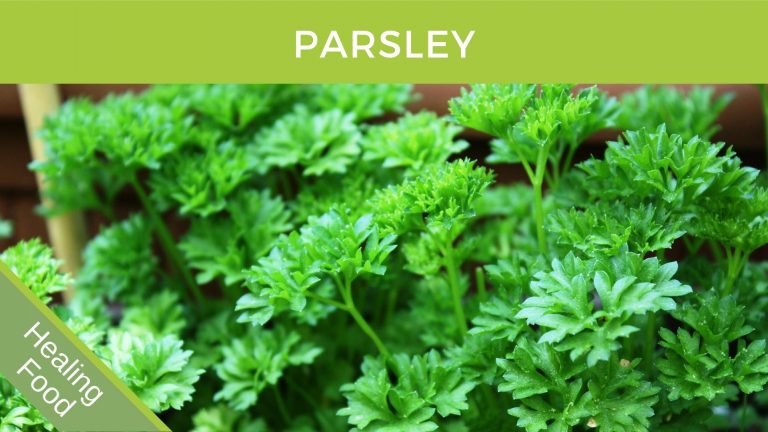
Parsley (Petroselinum crispum) Health Benefits

Easy Print
  • 2 years ago
  • 2Minutes
  • 570Words
  • 882Views

Parsley is the richest source of iron from any leafy green that you’d get from the supermarket. One cup of parsley will also provide up to 10% RDA of copper, 7% RDA of magnesium, 7% RDA of potassium, 6% RDA of zinc, and 5% RDA of phosphorus.

Cadmium (Cd) is among the most hazardous heavy metals that are NOT chemically degraded in the environment and can enter into the food chain. Cadmium can exert diverse and severe toxicity in multiple body systems as it can bind to tissues, trigger oxidative stress, affect endocrine function. (1)
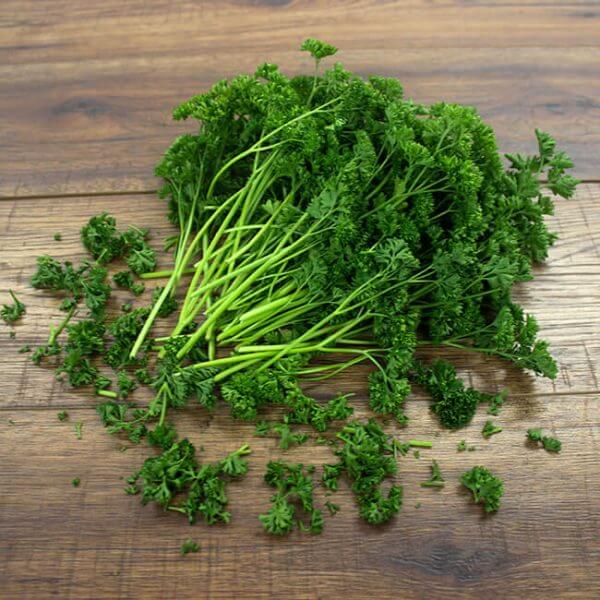
Parsley

In one study on mice, parsley juice significantly improved the Cadmium associated behavioral changes, reduced oxidation damage to the brain and normalized enzyme functions and neurotransmitter levels, not to mention improved behaviors associated with cadmium toxicity. (1)

Another traditional use for parsley in herbal medicine is in the reduction of kidney stones. One study with mice found a significant increase in urine volume and pH in parsley-treated rats compared to the negative control. It was concluded that parsley acts as antiurolithiatic (anti kidney stones) drug through decreasing urinary calcium excretion, increasing urinary pH, dieresis, decreasing urinary protein excretion, and its nephroprotective (kidney protecting) activity. We recommended using it in pharmaceutical forms as it is safe and effective as antiurolithiasis (kidney stones) remedy. (2)

One great way to get parsley into your diet is to consume it in a smoothie.
Check out my favorite parsley blend for the kidneys here.

More To Explore

Pau D’ arco Tabebuia avellanedae Herbal Monograph

Pau d’Arco (Tabebuia avellanedae) Herbal Monograph

3 weeks ago10Minutes2164Words7ViewsArticle References Article Tabebuia avellanedae (syn. Handroanthus impetiginosus) Common Names: Pau d’Arco Lapacho Taheebo Ipe Roxo Purple Trumpet Tree Pink Trumpet Tree Brazilian Lapacho Botanical Family: Bignoniaceae Part Used Medicinally: Inner bark (phloem) References 1. Antibacterial activity of lapachol and β-lapachone against resistant bacteriahttps://pmc.ncbi.nlm.nih.gov/articles/PMC1435768/ 2. Antifungal activity of Tabebuia species and naphthoquinoneshttps://pubmed.ncbi.nlm.nih.gov/21549673/ 3. Anti-inflammatory mechanisms of β-lapachonehttps://pubmed.ncbi.nlm.nih.gov/33158575/ 4. Phytochemistry and antioxidant activity of Tabebuia impetiginosahttps://www.sciencedirect.com/science/article/abs/pii/S0031942221000601 5. Trypanocidal activity of lapachol and related naphthoquinoneshttps://pubmed.ncbi.nlm.nih.gov/15120087/ 6. β-Lapachone: mechanisms of action and

Keto diets and Intermittent fasting

Keto Diet and Detox – Work Together

Keto diets have become a worldwide trend as a way to lose weight. They generally involve a high fat and protein intake, lots of fatty meat and low carb eating. However, is this really healthy, the best way of triggering Ketosis and could intermittent fasting be even better?