Nutritional Value
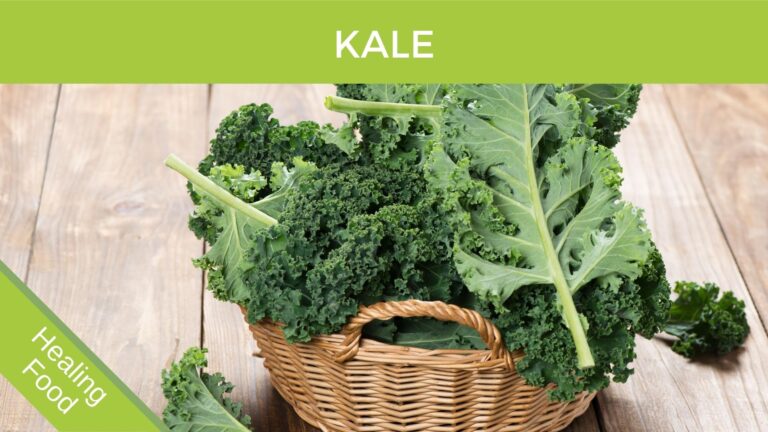
Kale is a traditional leafy green brassica used as a garnish on plates and salad bars but is gaining popularity as a primary ingredient in either raw or cooked form. Available data indicate that kale is rich in several vitamins (A, K, C, and probably folate), essential minerals (Potassium, Calcium, Magnesium), and dietary fiber. It is likely that Kale can also provide other nutrients including carotenoids, folate, and prebiotic carbohydrates. (5)
In general, leaf parts of Kale had much higher antioxidant activities as well as total polyphenol contents than those of the stem parts.
Fresh Kale juice is high in antioxidant properties and may beneficially enhance the body’s antioxidant protection system against oxidative damage.
Kale, particularly their leaf parts, offer antioxidant properties in green vegetable juices and their consumption of them may be beneficial as a nutrition source and in health protection. (1)
Scientific Evidence
Elevated Blood Fats
Regular meals supplementation with Kale juice can favorably influence serum lipid profiles and antioxidant systems and hence contribute to reducing the risks of coronary artery disease in male subjects with hyperlipidemia (high blood fats) (2).
Blood Pressure
Findings suggest that the supplementation of Kale juice affected blood pressure, lipid profiles, and blood glucose in subclinical hypertensive patients (3)
Brain Diseases
One study comparing subjects who drank juices at least 3 times per week showed that vegetable juices may play an important role in delaying the onset of Alzheimer’s disease, particularly among those who are at high risk for the disease. These results may lead to a new avenue of inquiry in the prevention of Alzheimer’s disease. (4)
Conclusion
They may joke about us, but Kale juice drinkers will have the last laugh! When those BBQ and Beer lovers have had heart attacks, the Kale drinkers will party on!
2-3 Kale smoothies a week could change your life.
Try this great Kale recipe – Kale and Lime Smoothie