
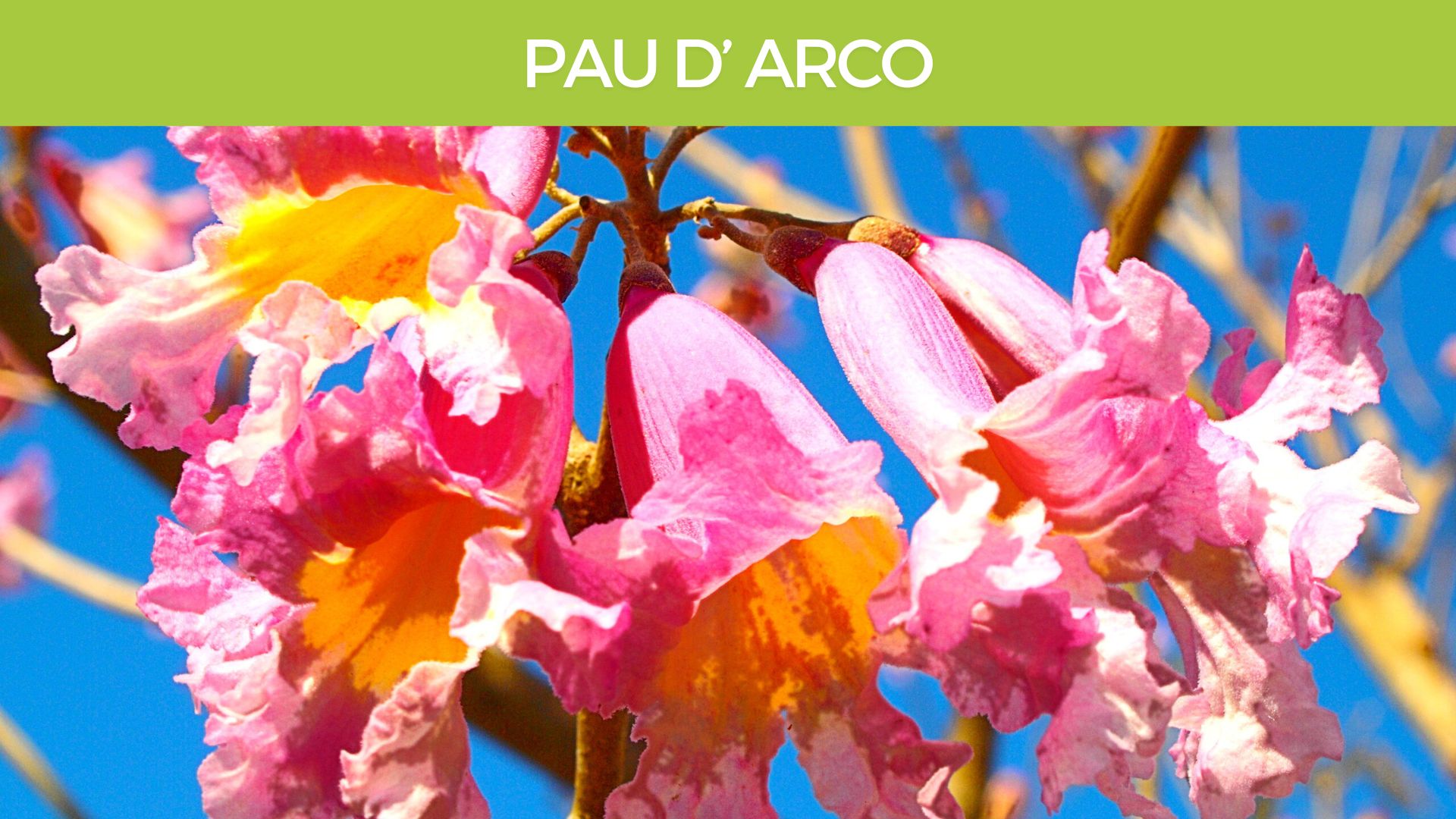
Article References Article Tabebuia avellanedae (syn. Handroanthus impetiginosus) Common Names: Pau d’Arco Lapacho Taheebo Ipe Roxo Purple Trumpet Tree Pink Trumpet Tree Brazilian Lapacho Botanical Family: Bignoniaceae Part Used Medicinally: Inner bark (phloem) References 1. Antibacterial activity of lapachol and β-lapachone against resistant bacteriahttps://pmc.ncbi.nlm.nih.gov/articles/PMC1435768/ 2. Antifungal activity of Tabebuia species and naphthoquinoneshttps://pubmed.ncbi.nlm.nih.gov/21549673/ 3. Anti-inflammatory mechanisms of β-lapachonehttps://pubmed.ncbi.nlm.nih.gov/33158575/ 4. Phytochemistry and antioxidant activity of Tabebuia impetiginosahttps://www.sciencedirect.com/science/article/abs/pii/S0031942221000601 5. Trypanocidal activity of lapachol and related naphthoquinoneshttps://pubmed.ncbi.nlm.nih.gov/15120087/ 6. β-Lapachone: mechanisms of action and therapeutic potentialhttps://www.sciencedirect.com/science/article/pii/S022352342030934X 7. Toxicological evaluation of lapachol compoundshttps://pubmed.ncbi.nlm.nih.gov/11408064/ 8. Review: Pharmacological properties of Tabebuia impetiginosahttps://pubmed.ncbi.nlm.nih.gov/17260216/ Botanical Information Description Pau d’Arco is a large flowering tree native to tropical and subtropical regions of Central and South America, particularly Brazil, Argentina, Bolivia, Paraguay and Peru. It belongs to the Bignoniaceae family and is recognised by its spectacular trumpet-shaped flowers, which range from pink and purple to white depending on the species. The name Pau d’Arco translates from Portuguese as “bow tree”, referring to the historical use of the strong, flexible wood by indigenous peoples for making hunting bows. The medicinal part of the plant is the inner bark, which contains a concentrated mixture of naphthoquinones, flavonoids, phenolic compounds and other secondary metabolites responsible for its biological activity. Traditional harvesting involves removing strips of inner bark while allowing the tree to continue growing. The bark is then dried and commonly prepared as a decoction (tea), tincture or powdered extract. Taxonomy Kingdom: PlantaeOrder: LamialesFamily: BignoniaceaeGenus: Tabebuia / HandroanthusSpecies: Tabebuia avellanedae Modern botanical classification has moved many medicinal Tabebuia species into the genus Handroanthus, with Handroanthus impetiginosus now often considered the accepted scientific name for the species traditionally referred to as Tabebuia avellanedae. Traditional Uses of Pau d’Arco Pau d’Arco has a long history of use in South American traditional medicine. Indigenous groups, including the Guarani and other Amazonian cultures, have used the bark for centuries as a general tonic and cleansing herb. Traditional herbalists considered Pau d’Arco a “blood purifier” and an herb capable of restoring balance when the body was affected by infection, inflammation or environmental stress. Traditional Uses Include: Antimicrobial Support Traditionally used for: Fungal infections Candida-related complaints Skin infections Intestinal infections Parasites Respiratory infections Immune Support Traditionally used during: Seasonal illness Chronic infections Periods of weakness or fatigue Digestive Health Traditional applications include: Digestive disturbances Dysbiosis Intestinal parasites Poor digestion associated with microbial imbalance Inflammatory Conditions Traditionally used for: Arthritis Joint discomfort Muscle pain Chronic inflammatory conditions Skin Health External and internal use has traditionally included support for: Eczema Psoriasis Fungal skin conditions Wounds Ulcers Traditional “Detoxification” Use Many South American herbal traditions classify Pau d’Arco as a cleansing herb because of its traditional use in supporting: Liver function Blood purification Elimination of microbial toxins General vitality Modern research suggests some of these traditional applications may relate to its antioxidant, antimicrobial and anti-inflammatory properties. Active Constituents Pau d’Arco contains numerous bioactive compounds. The medicinal activity is largely attributed to a group of compounds called naphthoquinones, particularly lapachol and β-lapachone. Naphthoquinones 1. Lapachol Lapachol is one of the best-known constituents of Pau d’Arco. Research has demonstrated: Antimicrobial activity Antiparasitic activity Anti-inflammatory effects Antioxidant activity Modulation of cellular signalling pathways Lapachol has historically been investigated for its effects against infections and cancer-related pathways. (1) 2. β-Lapachone β-Lapachone is a naturally occurring quinone compound that has received significant scientific interest. Potential biological actions include: Activation of NAD(P)H quinone oxidoreductase 1 (NQO1) Regulation of oxidative stress Modulation of mitochondrial metabolism Antimicrobial activity Anti-inflammatory effects Induction of programmed cell death pathways in certain abnormal cells (2) 3. α-Lapachone Another related naphthoquinone compound with: Antioxidant activity Antimicrobial effects Cellular signalling activity Flavonoids Pau d’Arco contains several flavonoids, including: Quercetin derivatives Flavones Flavonols Flavonoids are well known for: Free radical scavenging Supporting antioxidant defence systems Modulating inflammatory pathways Protecting cellular structures Phenolic Compounds Important phenolic constituents include: Acteoside Isoacteoside Phenolic acids These compounds contribute to: Antioxidant activity Anti-inflammatory effects Cellular protection Other Constituents Additional compounds identified include: Coumarins Anthraquinones Tannins Benzoic acid derivatives Essential oils The combination of these compounds creates a broad spectrum phytochemical profile rather than a single active ingredient. Mode of Action Pau d’Arco demonstrates multiple biological actions. Unlike pharmaceutical drugs that generally target one pathway, medicinal herbs often influence networks of biological processes. Antifungal Activity One of the most recognised traditional uses of Pau d’Arco is supporting fungal balance. Laboratory studies show that lapachol and related compounds can inhibit fungal growth by affecting: Cellular membrane integrity Fungal energy production Oxidative balance Cellular reproduction Research has demonstrated activity against species including: Candida albicans Candida glabrata Other pathogenic fungi (3) Antibacterial Activity Pau d’Arco compounds demonstrate antibacterial activity against several bacterial species. Proposed mechanisms include: Disruption of bacterial enzymes Interference with DNA replication Damage to microbial cellular structures Research has shown activity against: Staphylococcus aureus Methicillin-resistant Staphylococcus aureus (MRSA) Other pathogenic bacteria Anti-inflammatory Effects Chronic inflammation is associated with many modern health conditions. Pau d’Arco compounds may help regulate inflammation by influencing: Nuclear factor kappa B (NF-κB) Cyclooxygenase-2 (COX-2) Prostaglandin production Tumour necrosis factor-alpha (TNF-α) Interleukin inflammatory pathways (5) These actions may help explain traditional use for inflammatory disorders such as arthritis and chronic pain. Antioxidant Activity Oxidative stress occurs when free radical production exceeds the body’s antioxidant capacity. Pau d’Arco provides antioxidant compounds that may: Neutralise reactive oxygen species (ROS) Protect cellular membranes Reduce oxidative damage Support normal ageing processes (6) Immune Modulation Rather than simply stimulating immune activity, Pau d’Arco appears to have an immune-balancing effect. Potential actions include: Supporting normal immune cell activity Reducing excessive inflammatory signalling Helping maintain microbial balance This may explain why traditional healers used it both for infections and chronic inflammatory conditions. Cellular Metabolism and NQO1 Activation β-Lapachone has attracted significant scientific interest because of its interaction with the enzyme: NAD(P)H quinone oxidoreductase 1 (NQO1) NQO1 plays roles in: Cellular detoxification Antioxidant defence Regulation of oxidative stress β-Lapachone can create controlled oxidative stress in cells with high NQO1 activity, a mechanism being investigated particularly in cancer research. However, this research relates primarily to purified β-lapachone compounds rather than traditional Pau d’Arco preparations. (2) Therapeutic Benefits

Cortisol Belly Fat: 7 Natural Ways to Reduce Stress Hormones & Slim Your Waist
Learn how high cortisol from chronic stress can trigger stubborn belly fat and discover seven natural strategies to balance stress hormones and slim your waist naturally.
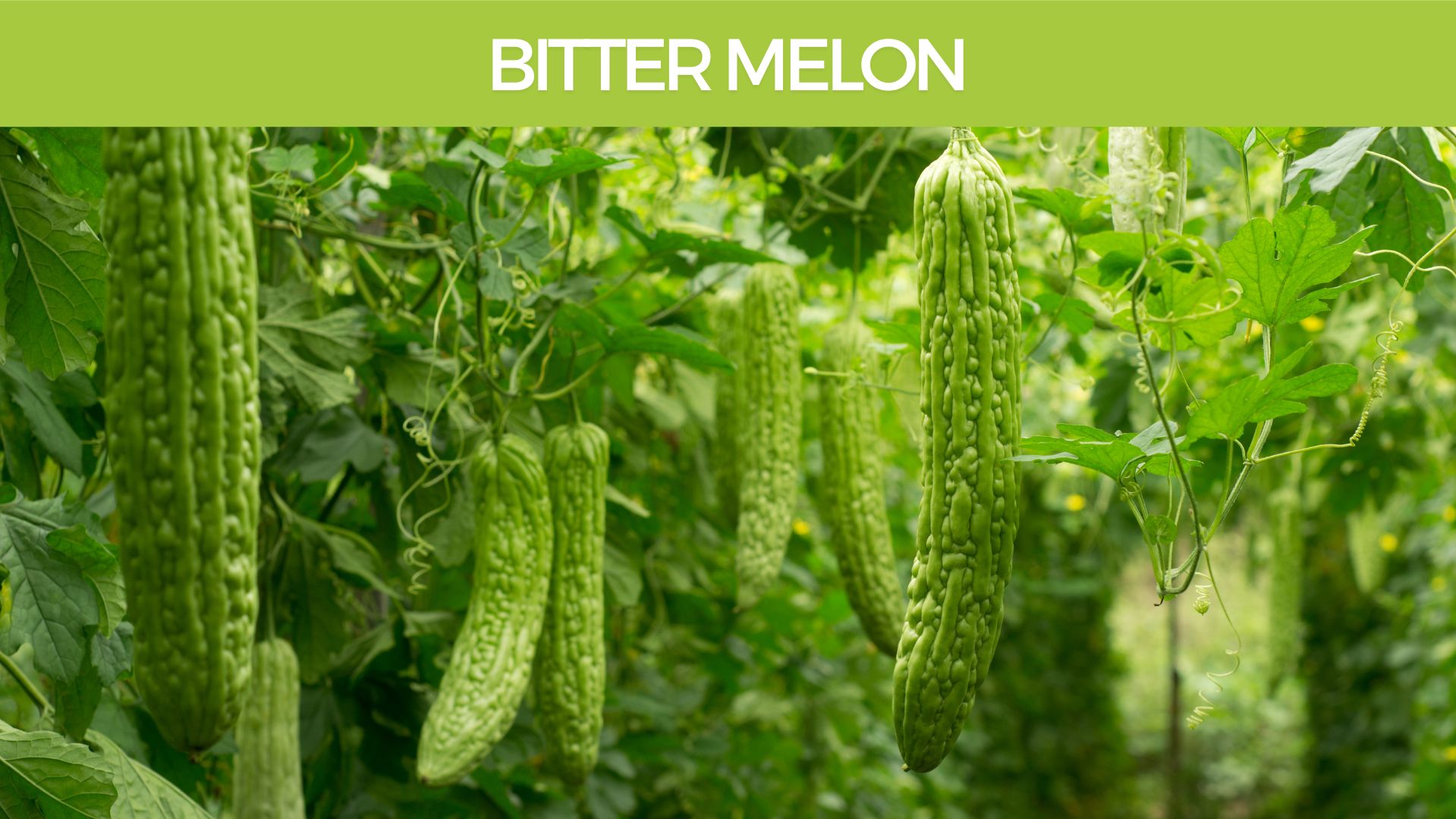
Bitter Melon (Momordica charantia) Herbal Monograph
Bitter melon (Momordica charantia) supports blood sugar control and may reduce food cravings. Its compounds, like charantin, enhance insulin sensitivity and stabilize glucose levels, potentially curbing sugar cravings. A 2018 RCT confirms its efficacy in lowering HbA1c
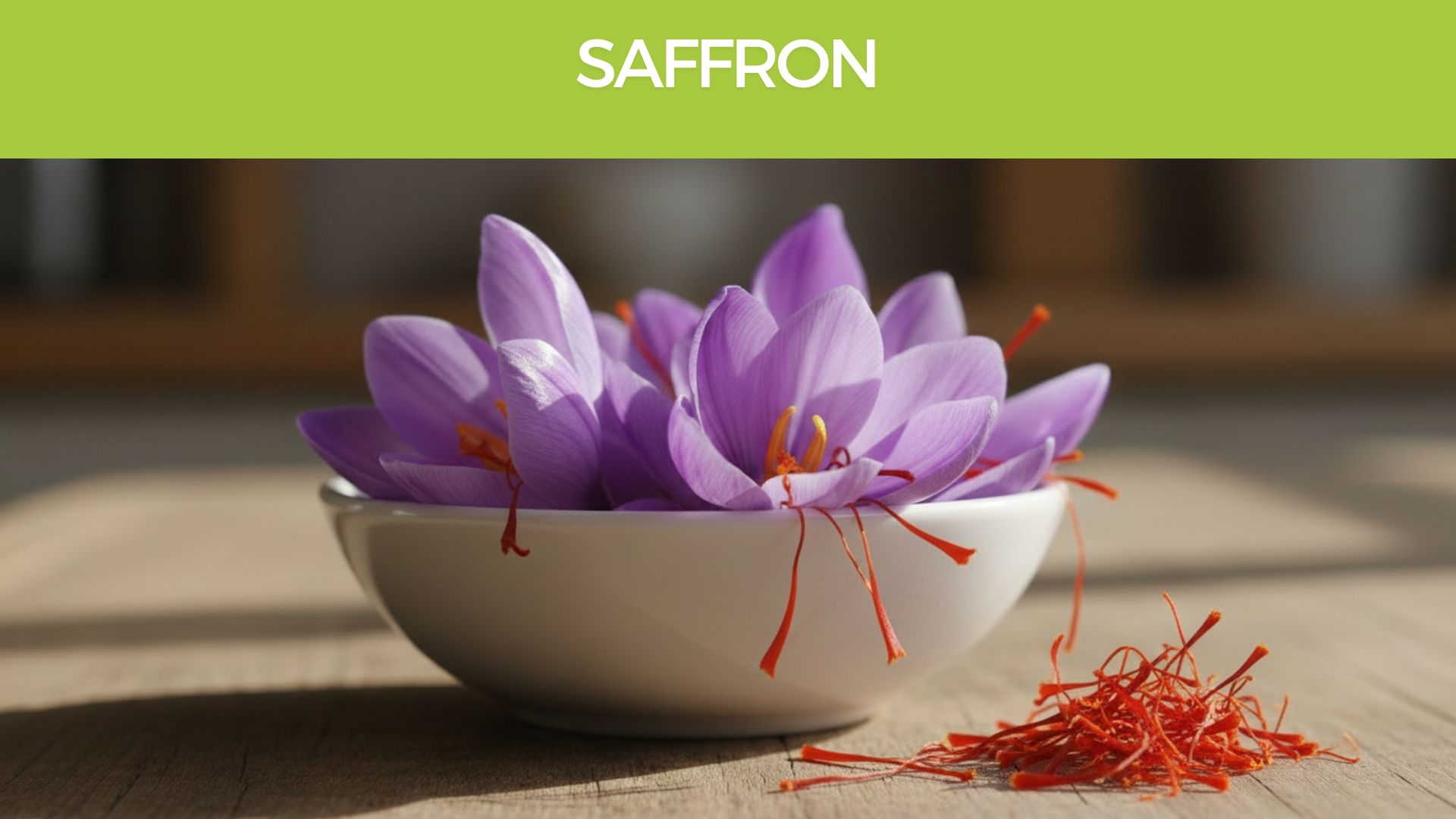
Saffron (Crocus sativus L.) Herbal Monograph
A detailed herbal monograph of Saffron (Crocus sativus), highlighting its traditional uses, bioactive compounds, and therapeutic benefits.
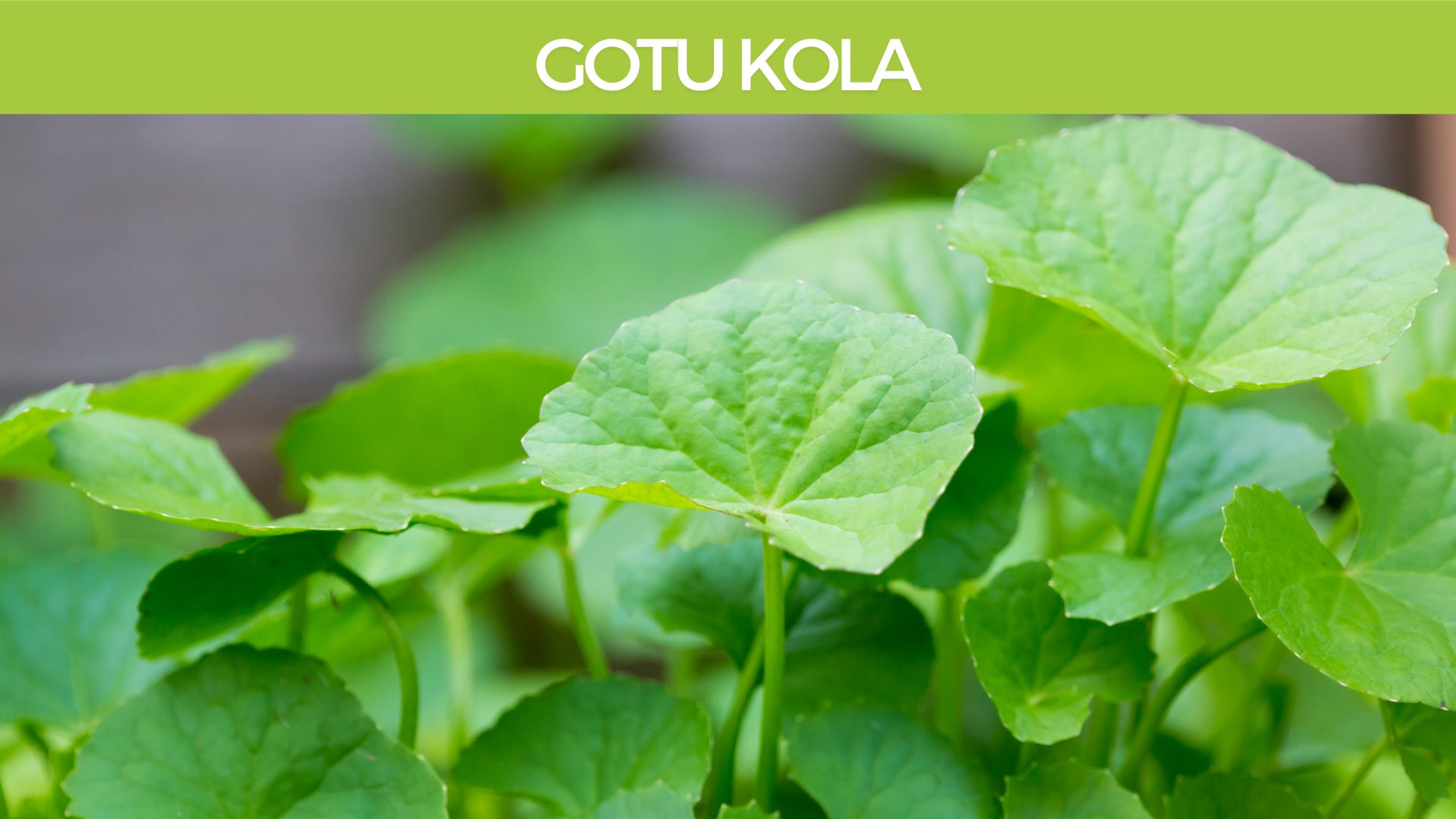
Gotu Kola (Cantella Asciatica) Herbal Monograph
A comprehensive herbal monograph of Gotu Kola, traditional uses, active constituents, modes of action, scientific evidence.
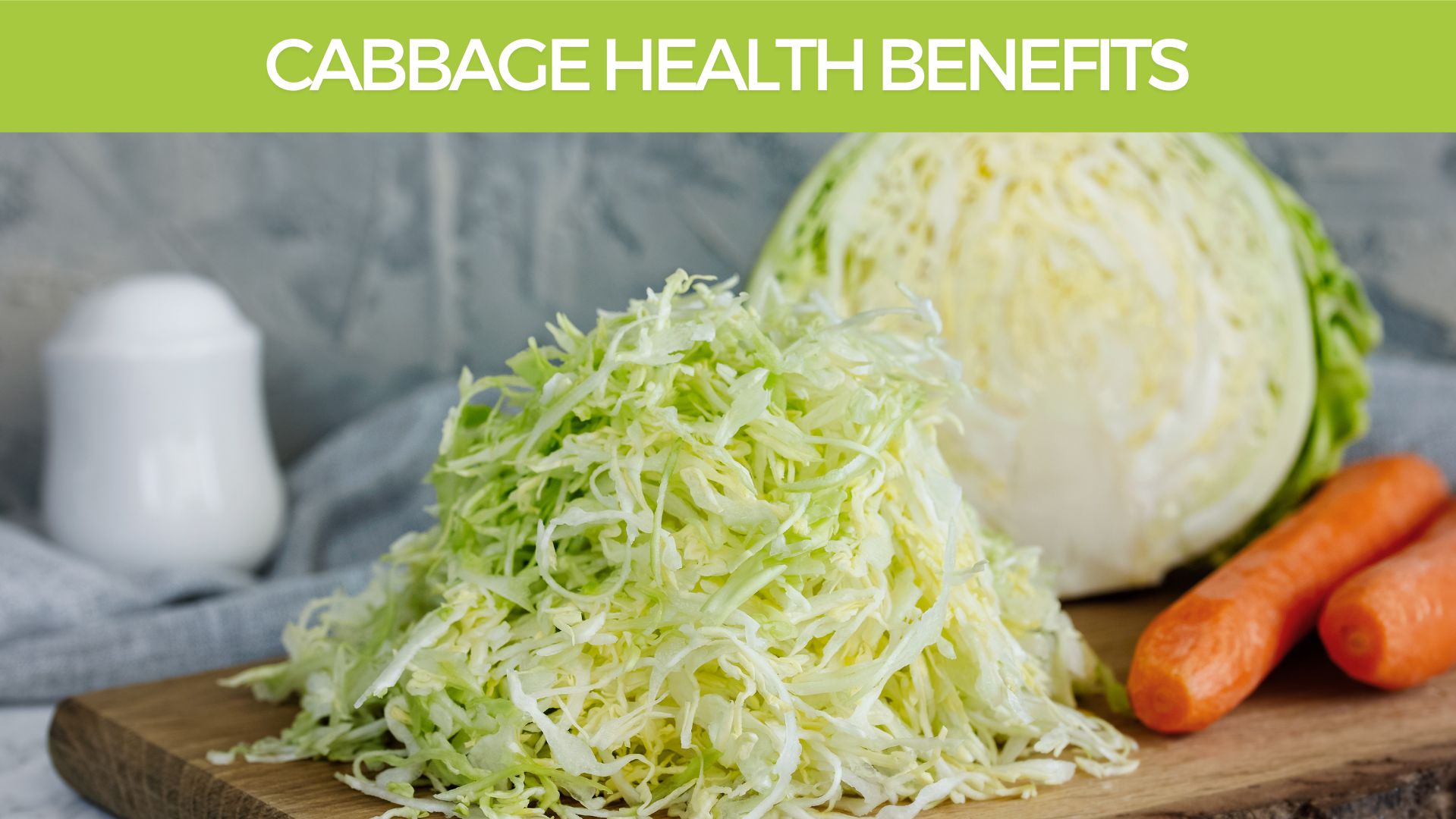
Cabbage (Brassica oleracea) Health Benfits
The simple Cabbage is an amazing superfood for gut health and more. Discover it’s secrets today!
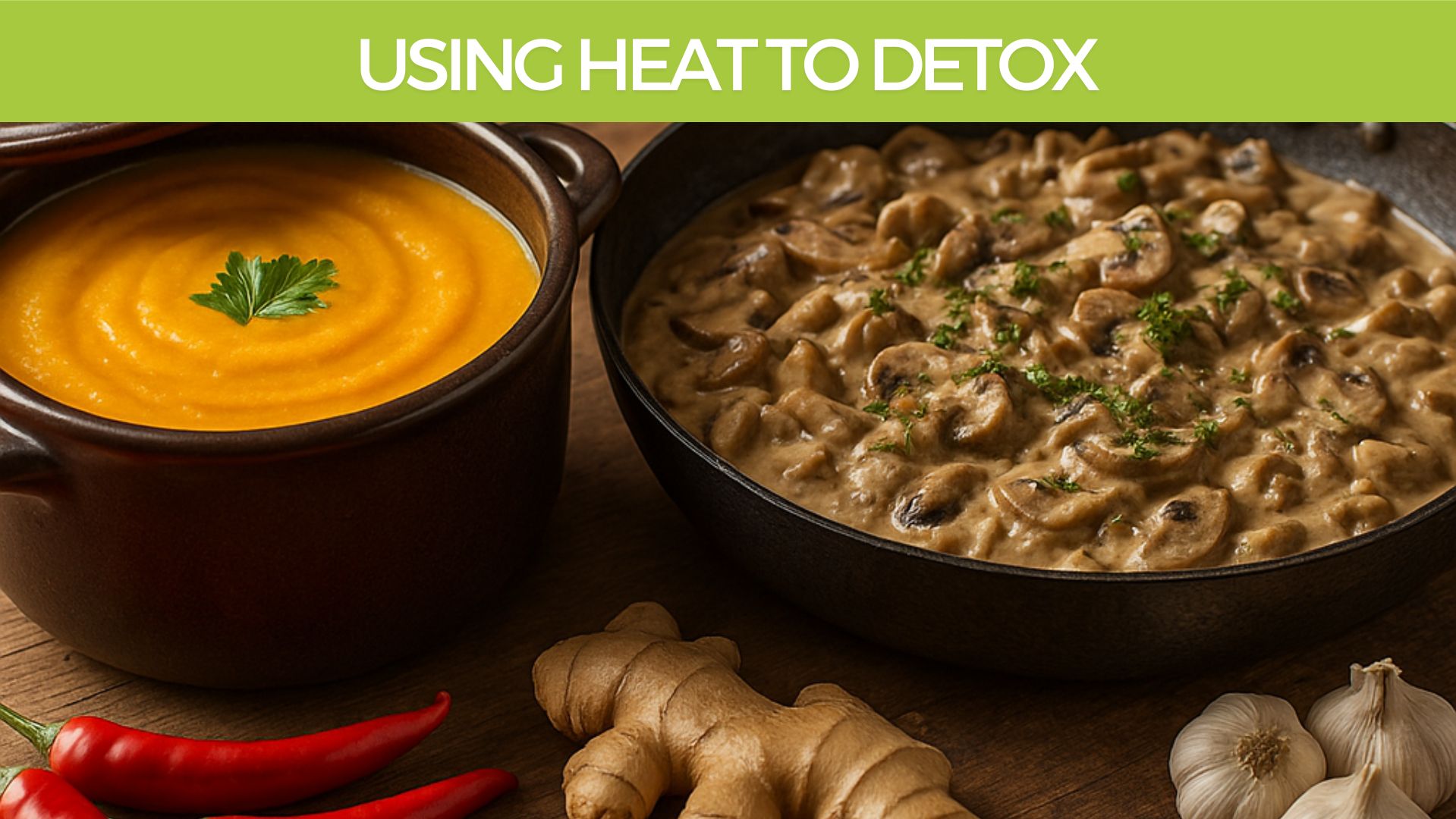
Super Hot Winter Detox
The balance between our inner and outer environments play a major role when considering health from the holisitc standpoint, and can be why we become more susceptible to certain ailments at different times of year.
Let’s explore some of the key reasons to use heat as part of a mid-winter detox.
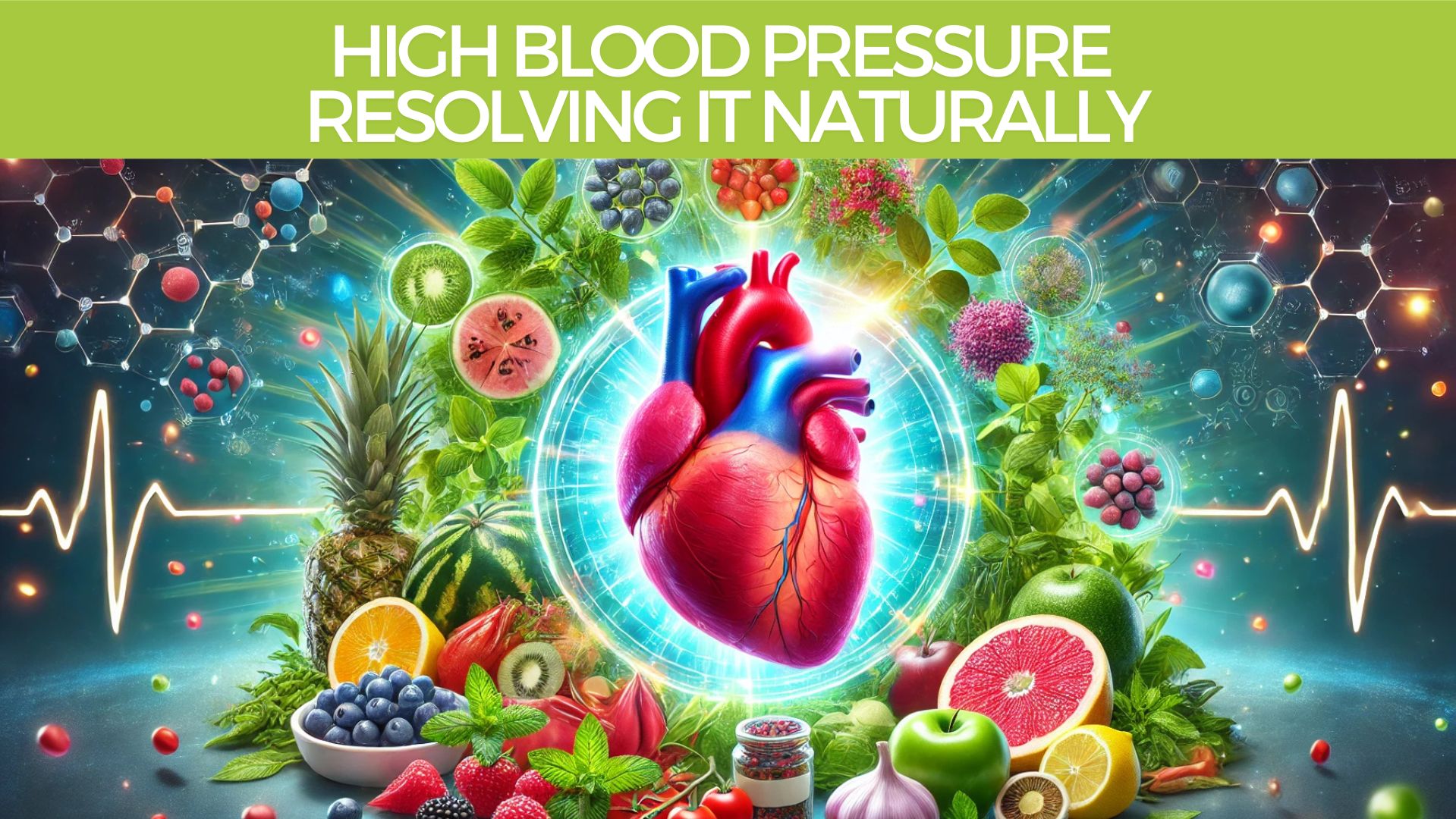
Reduce High Blood Pressure Naturally
A very common diagnosis received at your Doctors visit is High Blood Pressure but what causes it and how can we reverse it without using drugs with all their nasty side effects?
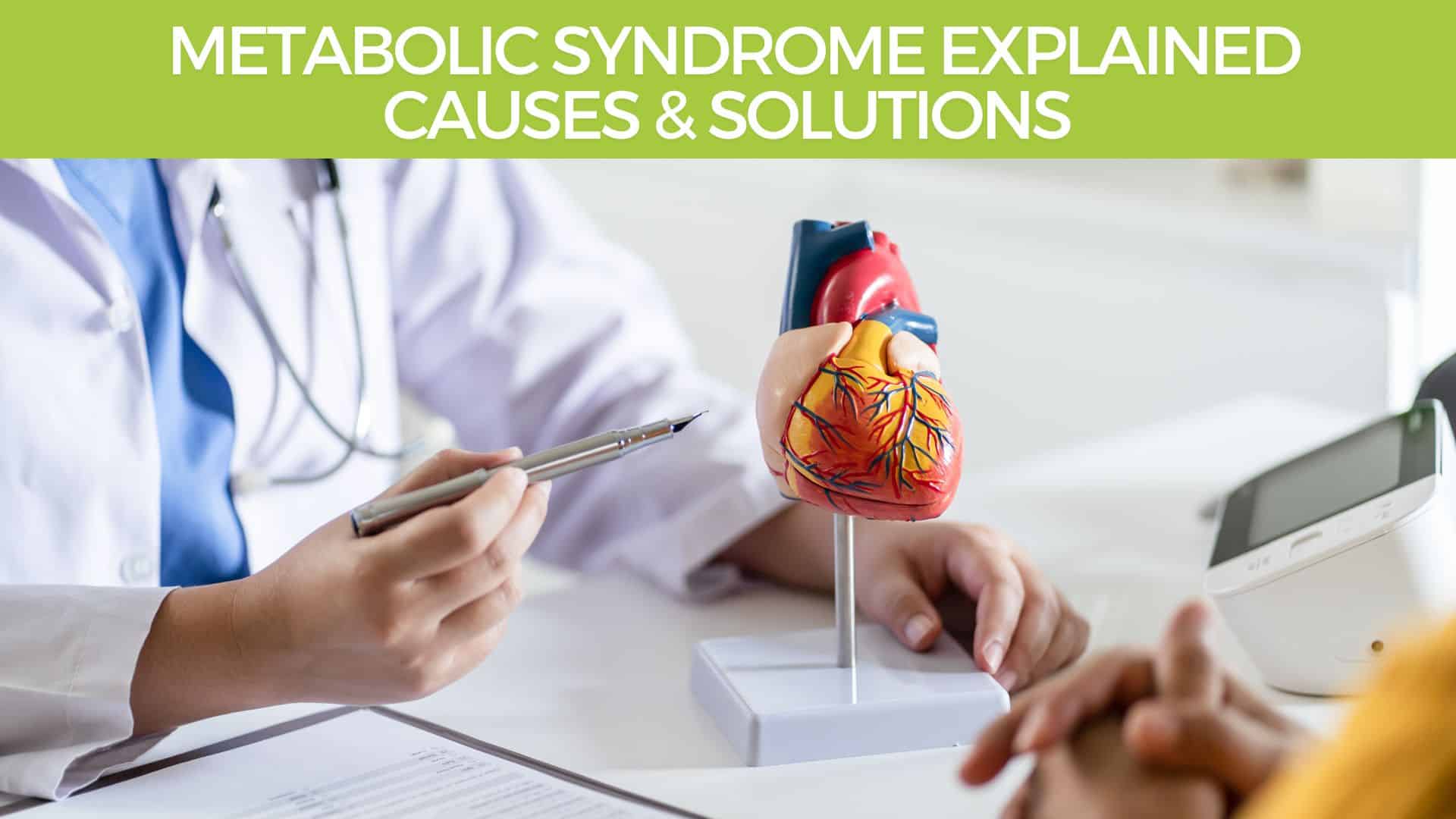
Metabolic Syndrome Defined and Explained
Metabolic syndrome is a cluster of the most dangerous heart attack risk factors: diabetes and pre-diabetes, abdominal obesity, high cholesterol, and high blood pressure.
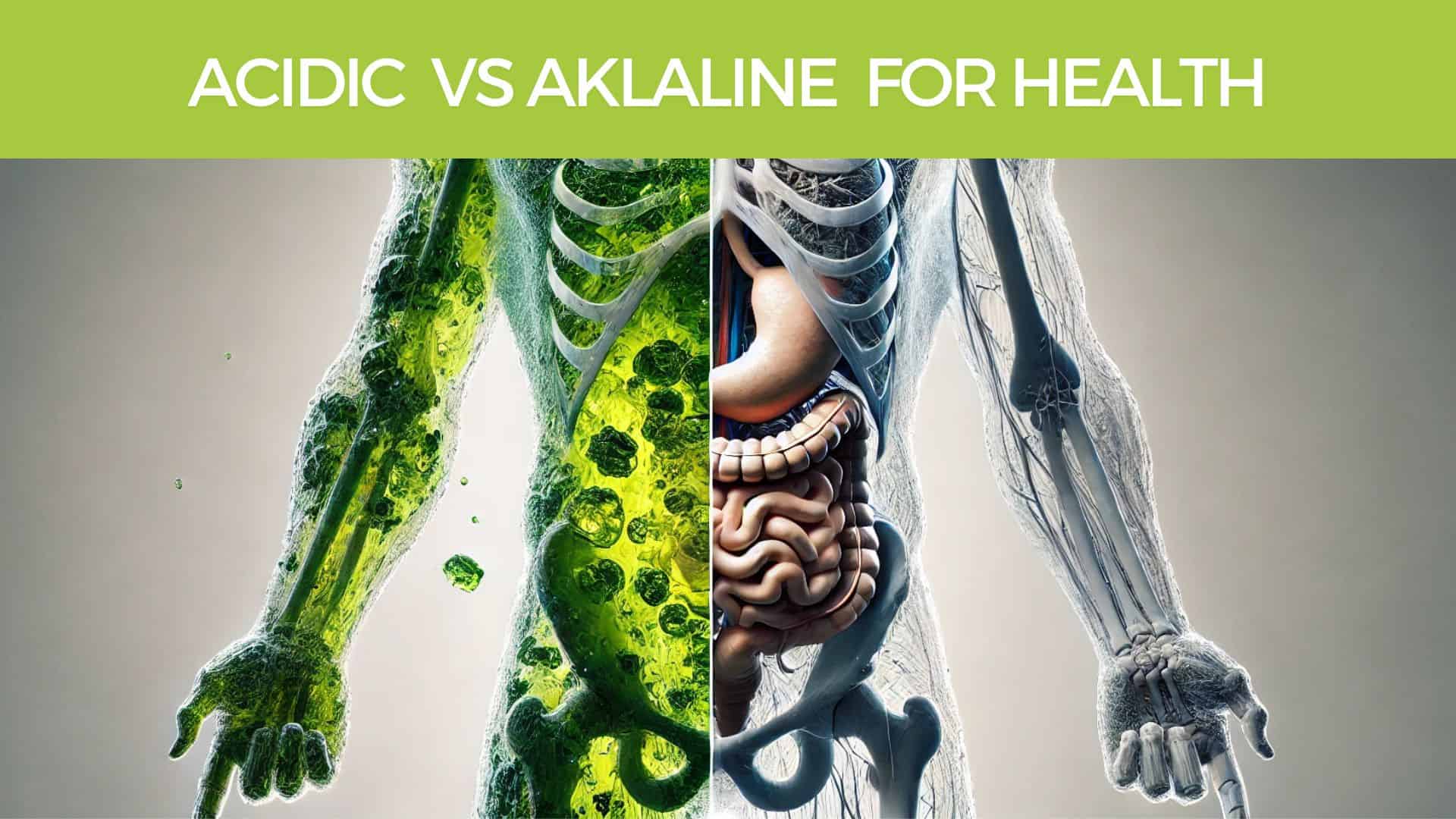
Acid Or Alkaline Diets for Metabolic Health
Acid is just like rust! It’s insidious and it eats away at you causing all kinds of problems.