- 7 seconds ago
- 22Minutes
- 4600Words
- 2709Views

Protein is such an important part of our diet as it is used in many functional metabolic processes in our body, including tissue growth.
I don’t recommend ‘high protein’ diets because they are acid-forming and inflammatory. However, when you’re completing the 1-month or 2-month Ultimate Herbal Detox or Slim program it can be a little tricky making sure you are getting enough protein.
With that in mind, I thought I would share a few ideas for high-quality protein, which you will find lower down on this page.
(1) New Zealand Nutrition Foundation. https://www.nutritionfoundation.org.nz/nutrition-facts/Nutrients/protein
(2) Hormonal regulation of human muscle protein metabolism. PUBMED https://www.ncbi.nlm.nih.gov/pubmed/9240936
(3) The Medical Biochemistry Page. https://themedicalbiochemistrypage.org/peptide-hormones.php
(4) New Zealand Nutrition Foundation. https://www.nutritionfoundation.org.nz/nutrition-facts/Nutrients/protein
(5) Protein – Which is Best? PUBMED https://www.ncbi.nlm.nih.gov/pmc/articles/PMC3905294/
(6) Protein Metabolism. http://philschatz.com/anatomy-book/contents/m46493.html
(7) The Role of Glycerol and Its Derivatives in the Biochemistry of Living Organisms, and Their Prebiotic Origin and Significance in the Evolution of Life https://www.mdpi.com/2073-4344/11/1/86
(8) Nutritional Quality, Chemical, and Functional Characteristics of Hemp (Cannabis sativa ssp. sativa) Protein Isolate. PUBMED https://www.ncbi.nlm.nih.gov/pmc/articles/PMC9656340/
(9) Nutritional quality and health benefits of chickpea (Cicer arietinum L.): a review. PUBMED https://pubmed.ncbi.nlm.nih.gov/22916806/
(10) Yang Y, et al. Plant-based proteins: advances in their sources, digestive profiles in vitro and potential health benefits. Critical Reviews in Food Science and Nutrition. 2024. https://pubmed.ncbi.nlm.nih.gov/38343194/
(11) Ahnen RT, Jonnalagadda SS, Slavin JL. Role of plant protein in nutrition, wellness, and health. Nutrition Reviews. 2019. https://pubmed.ncbi.nlm.nih.gov/31322670/
(12) Chen M, Sun Q, Giovannucci E, et al. Dairy consumption and risk of type 2 diabetes: 3 cohorts of US adults and an updated meta-analysis. BMC Medicine. 2014.
https://pubmed.ncbi.nlm.nih.gov/25420418/
(13) Gijsbers L, Ding EL, Malik VS, et al. Consumption of dairy foods and diabetes incidence: a dose-response meta-analysis of observational studies. American Journal of Clinical Nutrition. 2016.
https://ajcn.nutrition.org/article/S0002-9165(23)11936-8/pdf
(14) Guo J, Astrup A, Lovegrove JA, et al. Milk and dairy consumption and risk of cardiovascular diseases and all-cause mortality: systematic review and dose-response meta-analysis. European Journal of Epidemiology. 2017.
https://pmc.ncbi.nlm.nih.gov/articles/PMC5437143/
(15) Gijsbers L, Ding EL, Malik VS, et al. Consumption of dairy foods and diabetes incidence: a dose-response meta-analysis of observational studies. American Journal of Clinical Nutrition. 2016.
https://ajcn.nutrition.org/article/S0002-9165(23)11936-8/pdf
(16) House JD, Neufeld J, Leson G. Evaluating the quality of protein from hemp seed (Cannabis sativa L.) products through the use of the Protein Digestibility-Corrected Amino Acid Score. Journal of Agricultural and Food Chemistry. 2010.
https://pubmed.ncbi.nlm.nih.gov/20977230/
(17) Callaway JC. Hempseed as a nutritional resource: An overview. Euphytica. 2004.
https://link.springer.com/article/10.1007/s10681-004-4811-6
(18) Rodríguez-Leyva D, Pierce GN. The impact of hempseed consumption on cardiovascular risk factors: A review. Nutrition & Metabolism. 2010.
https://pmc.ncbi.nlm.nih.gov/articles/PMC2868018/
(19) Leonard W, Zhang P, Ying D, Fang Z. Hempseed in food industry: Nutritional value, health benefits, and industrial applications. Comprehensive Reviews in Food Science and Food Safety. 2020.
https://pubmed.ncbi.nlm.nih.gov/33319519/
(20) Phillips SM. A brief review of higher dietary protein diets in weight loss: A focus on athletes. Sports Medicine. 2014.
https://pmc.ncbi.nlm.nih.gov/articles/PMC4213385/
(21) Ruxton CHS, Derbyshire E, Gibson S. The nutritional properties and health benefits of eggs. Nutrition & Food Science. 2010.
https://www.cabidigitallibrary.org/doi/full/10.5555/20103197685
(22) Mozaffarian D, Rimm EB. Fish intake, contaminants, and human health: Evaluating the risks and the benefits. JAMA. 2006.
https://pubmed.ncbi.nlm.nih.gov/17047219/
(23) Harvard T.H. Chan School of Public Health. The Nutrition Source – Fish.
https://nutritionsource.hsph.harvard.edu/fish/
(24) Wallace TC, Murray R, Zelman KM. The nutritional value and health benefits of chickpeas and hummus. Nutrients. 2016.
https://pmc.ncbi.nlm.nih.gov/articles/PMC5188421/
(25) Marinangeli CPF, Jones PJH. Pulse grain consumption and human health: A review. British Journal of Nutrition. 2012.
https://pubmed.ncbi.nlm.nih.gov/22916815/
(26) Messina M. Soy foods, isoflavones, and the health of postmenopausal women. American Journal of Clinical Nutrition. 2014. https://pubmed.ncbi.nlm.nih.gov/24898224/
(27) Jenkins DJA, Kendall CWC, et al. Effect of soy protein foods on low-density lipoprotein cholesterol: A systematic review and meta-analysis. Journal of the American Heart Association. 2019.
https://www.ahajournals.org/doi/10.1161/JAHA.119.012458
(28) Ros E. Health benefits of nut consumption. Nutrients. 2010.
https://pubmed.ncbi.nlm.nih.gov/22254047/
(29) Afshin A, Micha R, Khatibzadeh S, Mozaffarian D. Consumption of nuts and legumes and risk of coronary heart disease, stroke, and diabetes: A systematic review and meta-analysis. American Journal of Clinical Nutrition. 2014.
https://pubmed.ncbi.nlm.nih.gov/24898241/
(30) U.S. Department of Agriculture (USDA). FoodData Central – Chicken, broilers or fryers, breast, skinless, cooked.
https://fdc.nal.usda.gov/food-search?query=Chicken
(31) Poultry Consumption and Human Cardiometabolic Health-Related Outcomes: A Narrative Review. Nutrients MDPI. https://pmc.ncbi.nlm.nih.gov/articles/PMC10459134/
(32) Mudryj AN, Yu N, Aukema HM. Nutritional and health benefits of pulses. Applied Physiology, Nutrition, and Metabolism. 2014;39(11):1197–1204.
https://pubmed.ncbi.nlm.nih.gov/25061763/
(33) Marinangeli CPF, Jones PJH. Pulse grain consumption and human health: A review. British Journal of Nutrition. 2012;108(S1):S3–S10.
https://pubmed.ncbi.nlm.nih.gov/22916815/
(34) Wallace TC, Murray R, Zelman KM. The Nutritional Value and Health Benefits of Chickpeas and Hummus. Nutrients. 2016;8(12):766.
https://pubmed.ncbi.nlm.nih.gov/27916819/
(35) Jukanti AK, Gaur PM, Gowda CLL, Chibbar RN. Nutritional quality and health benefits of chickpea (Cicer arietinum L.): A review. British Journal of Nutrition. 2012;108(S1):S11–S26.
https://pubmed.ncbi.nlm.nih.gov/22916806/
First, let's talk about the role of protein in your body.
Much of the body is made of protein, and these proteins take on a myriad of forms. They represent cell signaling receptors, signaling molecules, structural members, enzymes, intracellular trafficking components, extracellular matrix scaffolds, ion pumps, ion channels, oxygen, and CO2 transporters (hemoglobin). That is not even the complete list! (6)
There is protein in bones (collagen), muscles, and tendons; the hemoglobin that transports oxygen; and enzymes that catalyze all biochemical reactions. Protein is also used for growth and repair. Amid all these necessary functions, proteins also hold the potential to serve as a metabolic fuel source. Proteins are not stored for later use, so excess proteins must be converted into glucose or triglycerides and used to supply energy or build energy reserves. (6)
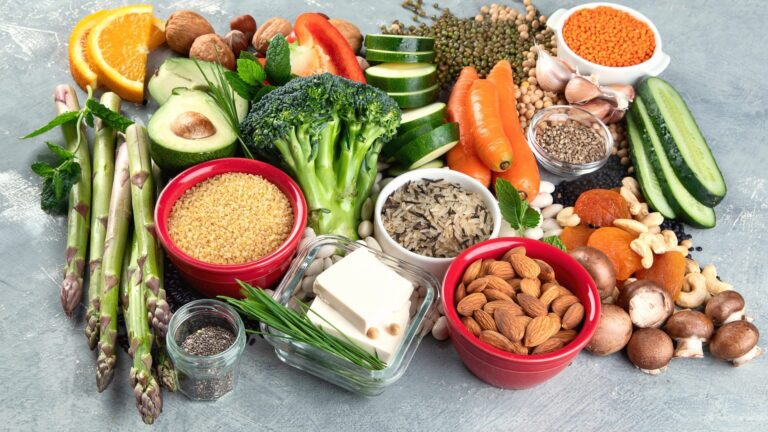
What is protein used for?
Contrary to popular belief, your body does not use protein directly for energy whatsoever!
The cells in our body can only burn sugar as glucose or fat in the form of glycerol. (7)
However, protein can be converted to these, but only as a ‘last resort’ source of energy, because its main role in the body is growth, repair, signalling and communication.
We all contain a significant amount of protein. For example, a 76kg man is made up of about 12kg of protein (16%). (1)
It helps in the formation of tissue including muscles, hair, nails, skin, and organs, such as the heart, kidneys, and liver.
Let’s look briefly at some of the other functions of protein in your body.
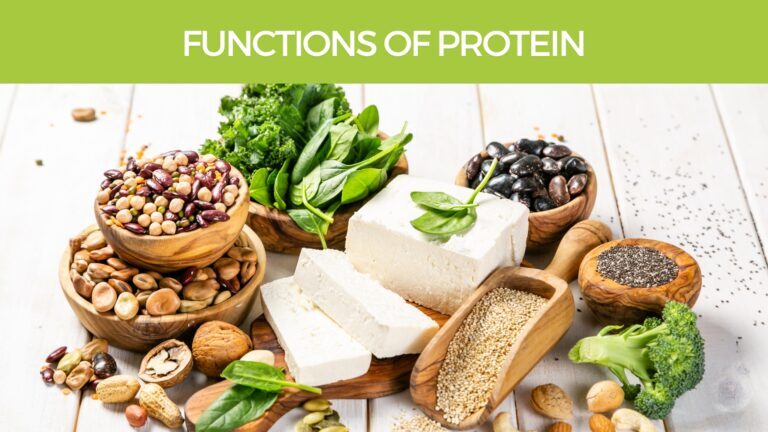
Muscle Growth
A continuous turnover of the protein (synthesis and breakdown) maintains the functional integrity and quality of skeletal muscle. Hormones are important regulators of this remodeling process. Anabolic hormones stimulate human muscle growth mainly by increasing protein synthesis e.g. growth hormone and testosterone. (2)
Peptide Hormones
There are literally dozens of hormones made from peptides, which are the building blocks of protein. There are far too many to list here, but they include sex hormones, insulin, growth hormones, thyroid, adrenal, and pituitary hormones to mention just a few. (3)
Hormones in the gut
There are also more than 30 peptide hormones currently identified as being expressed within the digestive tract, making the gut the largest endocrine organ in the body. The regulatory peptides synthesized by the gut include hormones, peptide neurotransmitters, and growth factors. (3)
How Much Protein Do We Really Need?
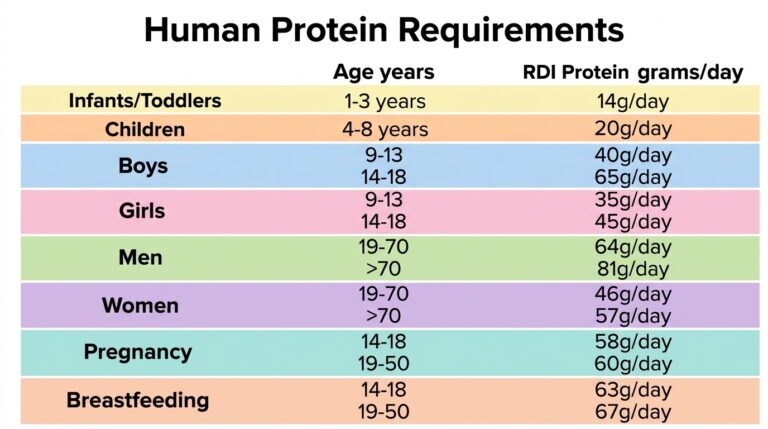
As you have seen above, protein is used mainly as a structural and functional component in the human body, and not a source of energy. In addition, your body holds a circulating pool of protein raw materials (amino acids) for at least 30 days, so you don’t get deficient in protein very quickly.
According to the New Zealand Nutrition Foundation, we need the following daily amounts of protein. (4)
Top 10 Protein Sources During Your Herbal Health Programs
For health reasons, we have not suggested using red meat during any of our programs and always suggest plant-based protein as a preference.
Click here to read more about why
During your Detox program, the protein sources vary depending on which program you are following. We will talk about the 14-day and 30-day Detox programs first.
If you want to dig further into these, a great source of protein information is the US Department of Agriculture National Nutrient Database
Protein Suggestions for the 14-Day Herbal Detox Program (Deep Cleanse)
The 14-day program does not allow for any meat, nuts, legumes, or eggs, so is more restricted. Let’s start there and then add in more protein sources as we get into the herbal SLIM program.
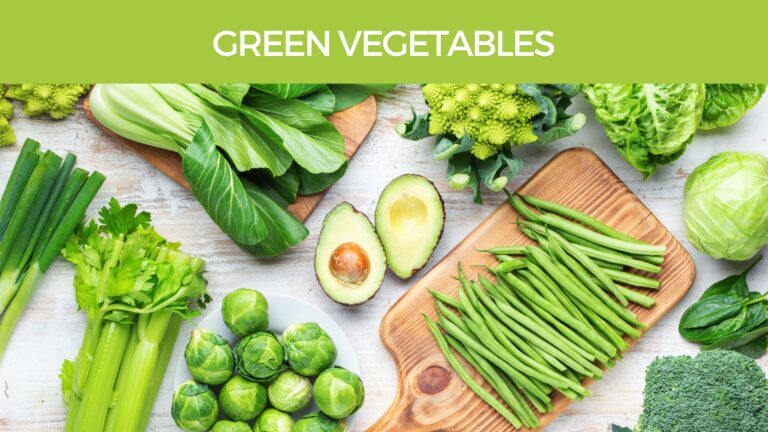
1. Green Vegetables
Most green leafy and root vegetables contain about 10-15% protein, so you will get most of what you need there if you eat a good volume of vegetables.
Green vegetables are an excellent source of alkalising plant protein, providing amino acids together with an abundance of minerals, chlorophyll, fibre, and protective phytochemicals. Unlike many other protein sources, they are naturally low in calories and sugars, making them ideal for supporting healthy blood sugar, detoxification, muscle maintenance, and overall metabolic health during a detox or weight management program. (10,11)
Benefits of Green Vegetable Protein
- Rich in alkalising plant protein to support tissue repair and muscle maintenance.
- Excellent source of magnesium, potassium, calcium, iron, and folate.
- Naturally low in calories and sugar, helping support healthy weight and blood sugar.
- High in chlorophyll and antioxidants that assist the body’s natural detoxification processes.
- Provides fibre to nourish beneficial gut bacteria and improve digestive health.
- Supports heart health, energy production, and healthy metabolism.

2. Yoghurt
I highly recommend plain, organic, full-fat yoghurt during your program.
Plain full-fat, unsweetened yoghurt is one of the best protein-rich foods to include during a detox program. It provides complete protein containing all nine essential amino acids, along with beneficial probiotics that support a healthy gut microbiome. Full-fat yoghurt is naturally low in sugar (when unsweetened), highly satisfying, and has a relatively low glycaemic effect, making it an excellent choice for supporting blood sugar balance, muscle maintenance, digestion, and healthy weight management. Research also suggests that regular yoghurt consumption is associated with a lower risk of developing type 2 diabetes. (12,13)
Benefits of Full-Fat Unsweetened Yoghurt
- Complete protein (3.5–5% protein) containing all essential amino acids for muscle repair and immune function.
- Rich in calcium, phosphorus, vitamin B12, potassium, and iodine for healthy bones, nerves, and metabolism.
- Contains live probiotic cultures that support the gut microbiome, digestion, and immune health.
- Naturally low in sugar (when unsweetened) and has a low glycaemic impact to help stabilise blood sugar.
- The healthy dairy fats increase satiety, helping reduce hunger and unnecessary snacking.
- Fermentation makes yoghurt easier to digest than milk, with much of the lactose already broken down.
- Regular yoghurt intake has been associated with a lower risk of type 2 diabetes and improved metabolic health. (12,13)
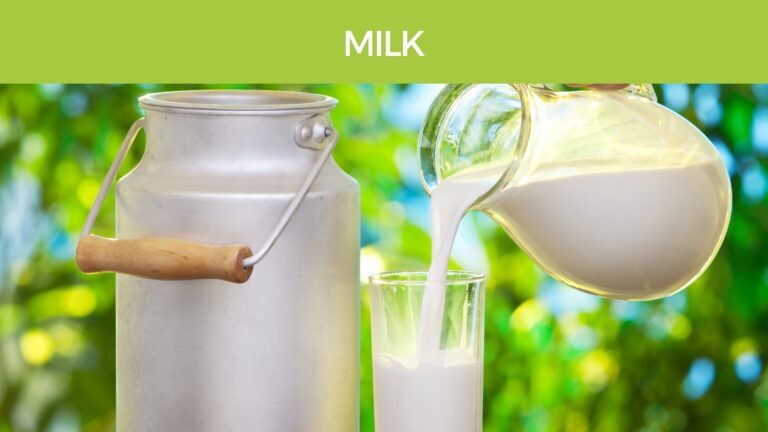
3. Milk
I also recommend plain, organic, full-fat milk during your program.
Full-cream milk is a natural source of high-quality complete protein, providing all nine essential amino acids needed for muscle repair, immune function, and healthy metabolism. It also supplies valuable minerals including calcium, phosphorus, potassium, magnesium, and iodine, along with fat-soluble vitamins such as A and D (fortified in some countries). Despite concerns about dairy fat in the past, current research suggests that full-fat dairy can be part of a healthy diet and may even be associated with a lower risk of type 2 diabetes when consumed in moderation. (14,15)
Benefits of Full-Cream Milk
- Complete protein (approximately 3.3–3.5% protein) containing all essential amino acids for tissue repair and muscle maintenance.
- Excellent source of calcium, phosphorus, potassium, magnesium, iodine, and vitamin B12 for healthy bones, nerves, and energy production.
- Contains healthy dairy fats, which improve satiety and slow digestion, helping to maintain steadier blood sugar levels.
- Naturally provides lactose as its carbohydrate source, offering sustained energy when consumed as part of a balanced meal.
- Rich in bioactive peptides that may support cardiovascular health and blood pressure regulation.
- Associated with improved metabolic health and a lower risk of type 2 diabetes in several large observational studies. (1,2)
- Highly versatile and combines well with smoothies, oats, soups, and other whole foods during a balanced detox program.
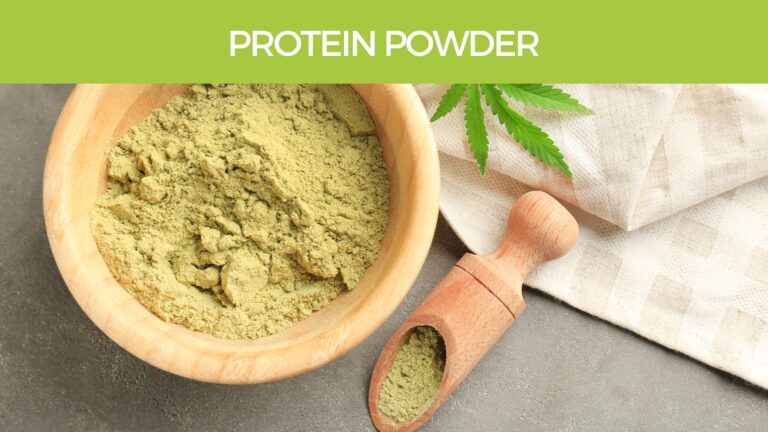
4. Protein powder
Either pea, rice, soy, or hemp protein powders can be used. Hemp protein isolate is characterized as a rich source of most essential amino acid and is satisfactory for the WHO daily requirements. The digestibility and availability of hemp seed protein is also higher than other plant proteins such as wheat and legumes. (8)
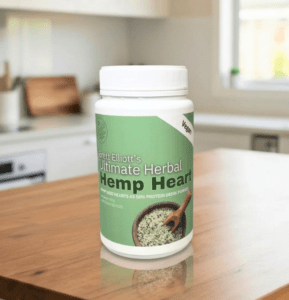
Hemp Heart Protein Powder (50% Protein)
Hemp heart protein powder is one of the most nutrient-dense plant proteins available, providing approximately 50% high-quality protein along with fibre, healthy omega-3 and omega-6 fatty acids, magnesium, iron, zinc, and antioxidants. Unlike many refined protein powders, hemp is minimally processed and naturally alkaline-forming, making it an excellent choice during a detox or weight management program. It supports muscle maintenance, healthy blood sugar balance, digestive health, and sustained energy while being naturally low in carbohydrates and sugar. (16,17)
Benefits of Hemp Heart Protein Powder
- Approximately 50% plant protein, supplying all essential amino acids for muscle repair and healthy metabolism.
- Rich in edestin and albumin proteins, which are highly digestible and easily utilised by the body.
- Naturally low in sugar and carbohydrates, helping support healthy blood sugar balance.
- High in dietary fibre, promoting digestive health, bowel regularity, and increased satiety.
- Excellent source of magnesium, iron, zinc, phosphorus, potassium, and manganese for energy production and immune function.
- Contains a natural balance of omega-3 and omega-6 essential fatty acids, which support heart, brain, and inflammatory health.
- Naturally alkalising, making it a valuable addition to a clean, whole-food detox program.
- Free from dairy, soy, gluten, and cholesterol, making it suitable for most dietary requirements.
Research Highlights
- Supports muscle maintenance: Hemp protein provides highly digestible plant protein with all essential amino acids needed for tissue repair and recovery. (16)
- Promotes digestive health: Naturally high fibre content supports bowel function and feeds beneficial gut bacteria. (17)
- Supports metabolic health: The combination of protein, fibre, and healthy fats promotes fullness, steadier blood sugar levels, and healthy weight management. (18)
- Rich in antioxidants and bioactive compounds: Hemp contains phenolic compounds and bioactive peptides that may help reduce oxidative stress and inflammation. (19)
Extra Protein Allowed on the 30-Day Gentle Detox Program
With an extended 1-month detox program, you can use all the protein sources mentioned above plus add these extra sources, but preferably only once a week each:
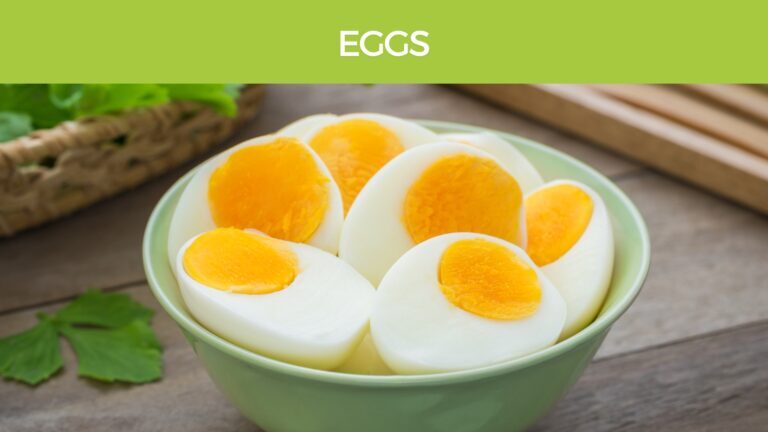
5. Eggs
Each egg contains up to 6gm of protein. They are also a great source of vitamin B12 if you are a vegan. I highly recommend organic, free-range eggs if you can find them. Not only do they taste better, but will be higher in nutritional value.
Eggs are one of nature’s most complete foods, providing high-quality complete protein containing all nine essential amino acids in an easily digestible form. With approximately 12–13% protein (around 6–7 g per large egg), they support muscle maintenance, healthy metabolism, and satiety while being naturally low in carbohydrates. Eggs are also rich in vitamins, minerals, and choline, making them an excellent protein choice during a balanced detox or weight management program. (20, 21)
Benefits of Eggs
- Approximately 12–13% complete protein, containing all essential amino acids.
- Highly bioavailable protein, making it one of the best proteins for muscle repair and maintenance.
- Naturally low in carbohydrates, helping support healthy blood sugar balance.
- Rich in choline, an important nutrient for liver function, brain health, and fat metabolism.
- Provides vitamin B12, selenium, iodine, vitamin D, and phosphorus to support energy production and immune function.
- Highly satisfying, helping to reduce hunger and support healthy weight management.
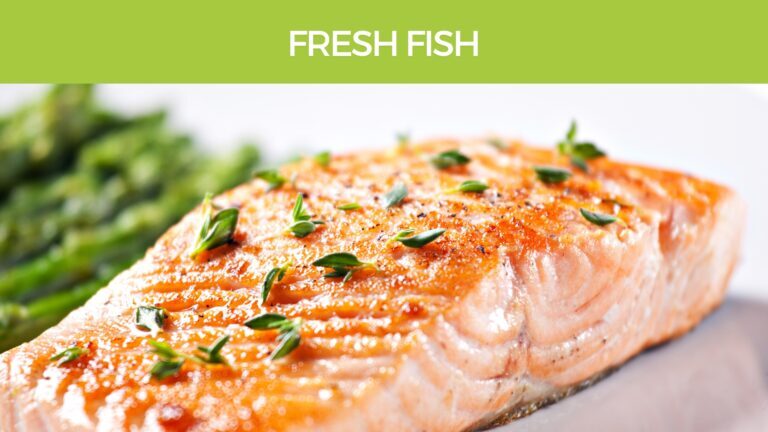
6. Fresh Fish
Fish averages over 15% protein, so a 150gm fillet will give you 15gm protein. Fish also contains Omega 3 Fatty acids that are very healthy for your body. Salmon is probably the fish of choice for your good health.
Fresh fish is an outstanding source of high-quality complete protein, providing all nine essential amino acids needed for muscle repair, immune function, and healthy metabolism. Most fish contain 18–25% protein, are naturally low in carbohydrates, and are rich in essential nutrients such as omega-3 fatty acids, iodine, selenium, and vitamin D. During a detox or weight management program, fish provides satisfying, nutrient-dense protein while supporting heart, brain, and metabolic health. (22, 23)
Benefits of Fresh Fish
- Approximately 18–25% complete protein, containing all essential amino acids.
- Highly digestible, making it an excellent protein source for muscle maintenance and recovery.
- Naturally low in carbohydrates, helping support healthy blood sugar balance.
- Rich in omega-3 fatty acids (especially oily fish) to support heart, brain, and healthy inflammatory function.
- Excellent source of iodine, selenium, vitamin D, and vitamin B12 for thyroid function, immunity, and energy production.
- Highly satisfying while remaining relatively low in calories, making it ideal for healthy weight management.
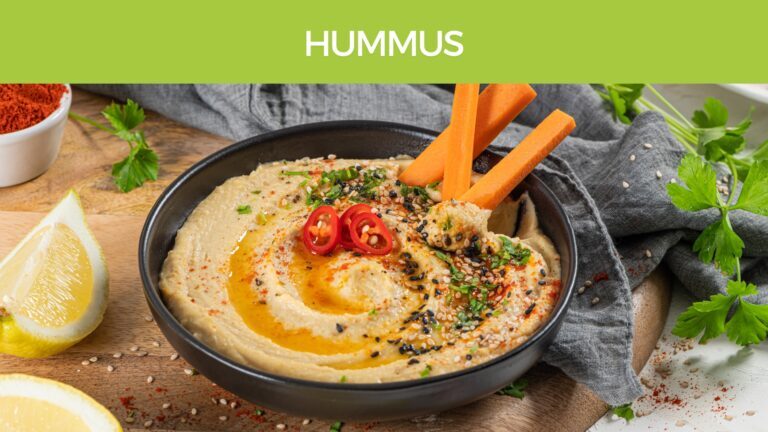
7. Hummus
Hummus is also about 10% protein. Use about 2 tablespoons on a salad or as a dip for carrot and celery sticks. Plain hummus is best during your program. Sprinkle with Paprika and fresh herbs to add flavour.
Hummus is a nutritious plant-based food made primarily from chickpeas, blended with tahini (sesame seeds), olive oil, lemon juice, and garlic. It provides around 7–9% plant protein, along with fibre, healthy fats, and a wide range of minerals. While it is not a complete protein on its own, hummus is an excellent source of sustained energy, promotes fullness, and supports healthy blood sugar balance due to its low glycaemic index and high fibre content. (24, 25)
Benefits of Hummus
- Approximately 7–9% plant protein to support muscle maintenance and healthy metabolism.
- Rich in dietary fibre, helping improve digestion, increase satiety, and support a healthy gut microbiome.
- Naturally low glycaemic, helping slow glucose absorption and promote stable blood sugar levels.
- Provides healthy monounsaturated fats from olive oil and tahini to support heart health.
- Excellent source of folate, magnesium, iron, manganese, phosphorus, and zinc for energy production and immune function.
- Naturally free from cholesterol and a nutritious alternative to processed snack foods.
Ultimate Herbal SLIM Or BodiTune Programs
During the Ultimate Herbal SLIM, or BodiTune programs you can also include all the protein sources above plus these extra sources below. Similar to the 30-day Herbal Detox, I suggest only having one of these protein sources each day, and combining with fresh, or stir-fry vegetables. Alos, limit rice, pasta, potatoes, bread and all processed food while on the SLIM program.
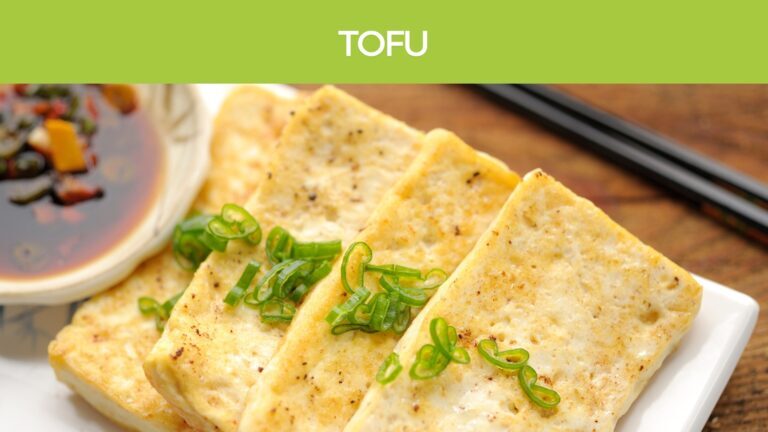
8. Tofu
Tofu is made from 100% pure Soy Beans. There have been many reported benefits related to soy proteins relating to health and performance (including reducing plasma lipid profiles, increasing LDL-cholesterol oxidation, and reducing blood pressure). (5) Again, use plain organic Tofu preferrably.
Tofu is a minimally processed soy food that provides approximately 8–16% high-quality plant protein, depending on whether it is soft or firm. It contains all nine essential amino acids, making it a complete plant protein, while being naturally low in carbohydrates and rich in calcium (when calcium-set), iron, and magnesium. Tofu is an excellent protein choice for vegetarians, vegans, or anyone looking to include more plant-based foods in a detox or weight management program. (26, 27)
Benefits of Tofu
- Approximately 8–16% complete plant protein, containing all essential amino acids.
- Naturally low in carbohydrates, helping support healthy blood sugar balance.
- Rich in calcium, iron, magnesium, phosphorus, and manganese for bone health and energy production.
- Contains beneficial isoflavones, plant compounds that may support heart and metabolic health.
- Low in saturated fat and cholesterol-free, making it a heart-friendly protein source.
- Highly versatile and easily absorbed, making it ideal for stir-fries, salads, soups, and smoothies.
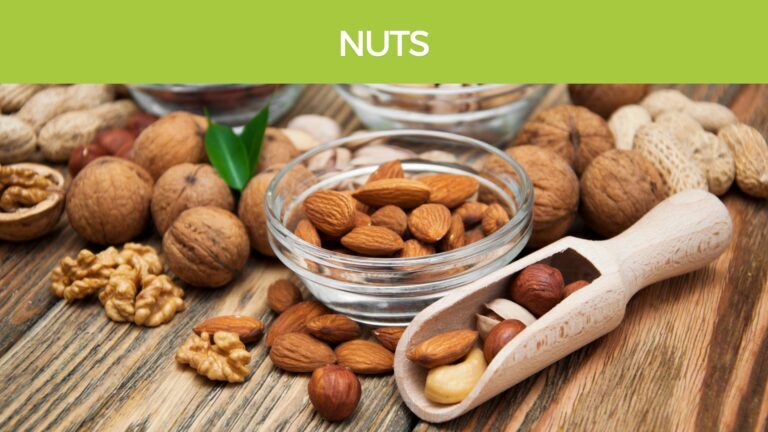
9. Nuts
Mixed nuts contain about 20% protein. I would only recommend a small handful of nuts every other day as they can be difficult to digest. The highest quality nuts for your health are almonds, walnuts, and Brazil nuts.
A handful of mixed nuts provides an excellent combination of plant protein, healthy fats, fibre, vitamins, and minerals that help support healthy blood sugar balance, sustained energy, and satiety. Mixed nuts typically contain 15–21% protein, depending on the variety, while also supplying heart-healthy monounsaturated and polyunsaturated fats. Regular nut consumption has been consistently associated with a lower risk of type 2 diabetes, cardiovascular disease, and weight gain when eaten in moderation. (28, 29)
Benefits of Mixed Nuts
- Approximately 15–21% plant protein, helping maintain muscle and promote satiety.
- Rich in healthy fats, which slow digestion and help support stable blood sugar levels.
- Excellent source of magnesium, selenium, zinc, vitamin E, and manganese for metabolism and immune function.
- High in dietary fibre, supporting digestive health and a healthy gut microbiome.
- Naturally low glycaemic, making them an ideal snack for blood sugar management.
- Associated with improved heart health, healthy cholesterol levels, and long-term weight management.
Nutritional Highlights
- Walnuts: Rich in plant omega-3 fatty acids (ALA) to support heart and brain health.
- Almonds: High in vitamin E, magnesium, and protein for healthy metabolism and blood sugar control.
- Brazil Nuts: One of the richest natural sources of selenium, supporting thyroid and immune function (1–2 nuts daily is usually sufficient).
- Cashews: Higher in iron, zinc, and magnesium, providing a creamy texture and valuable minerals for energy production.
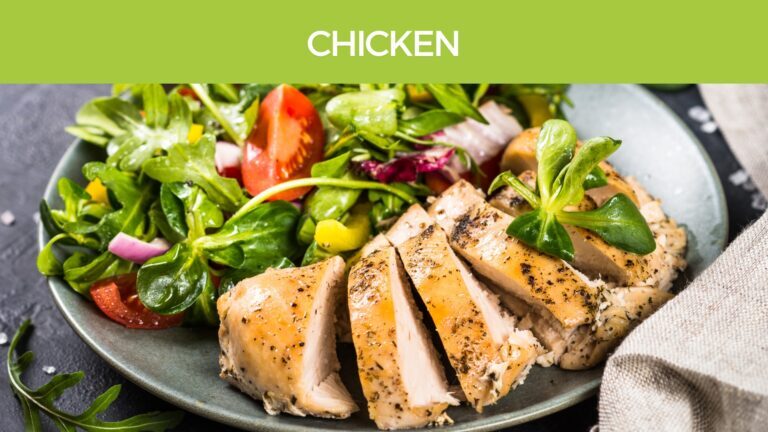
10. Chicken
Chicken contains about 30% protein. Although I do recommend a >80% vegetarian diet, a little fish, chicken, and eggs are good for that extra protein, especially if you’re looking to build lean muscle.
Chicken is an excellent source of high-quality complete protein, providing all nine essential amino acids needed for muscle repair, healthy metabolism, and immune function. Skinless chicken breast contains approximately 30–31% protein, while thigh meat provides around 25–27% protein along with slightly more healthy fats. Naturally low in carbohydrates, chicken is a satisfying, nutrient-dense protein that helps support blood sugar balance and weight management during a detox or healthy eating program. (30, 31)
Benefits of Chicken
- Approximately 25–31% complete protein, containing all essential amino acids.
- Highly digestible, supporting muscle maintenance, tissue repair, and recovery.
- Naturally low in carbohydrates, helping maintain stable blood sugar levels.
- Rich in niacin (vitamin B3), vitamin B6, phosphorus, selenium, and zinc for energy production and immune health.
- Highly satisfying, helping reduce hunger and support healthy weight management.
- A versatile lean protein source that pairs well with vegetables and salads during a detox program.
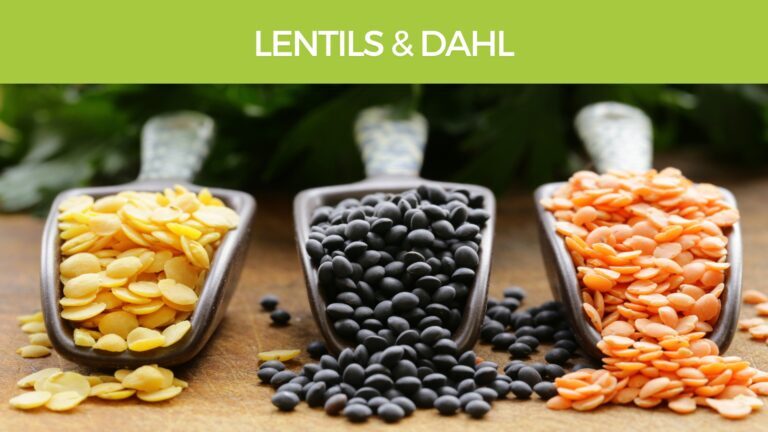
11. Lentils/Dahl
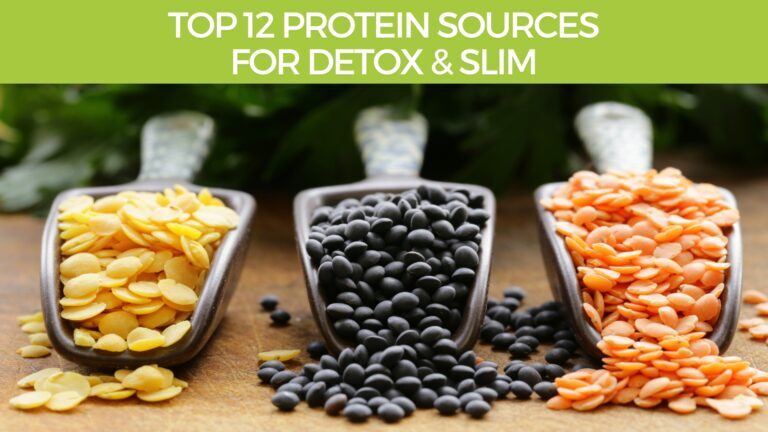
Lentils and Dahl are about 25% protein. Soak and cook slowly to make lentil/dahl soup or curry. Great for those winter nights. I prefer using yellow (Chana dal), black (Urad Dal), or red (Lal masoor dal) as pictured.
Lentils are one of the world’s richest plant-based protein foods, providing approximately 9% protein when cooked (around 24–26% protein when dried). They are naturally high in soluble fibre, resistant starch, and complex carbohydrates that digest slowly, helping to promote stable blood sugar levels, improve satiety, and support a healthy gut microbiome. Lentils are also an excellent source of iron, folate, magnesium, and potassium, making them an ideal protein source during a detox or weight management program. (32, 33)
Benefits of Lentils
- Approximately 9% protein when cooked (24–26% dry weight).
- Rich in plant protein and fibre, helping increase fullness and reduce cravings.
- Naturally low glycaemic, supporting healthy blood sugar and insulin balance.
- Excellent source of folate, iron, magnesium, potassium, and manganese.
- High in soluble fibre and resistant starch, promoting digestive and gut microbiome health.
- A nutritious, low-fat protein source that supports healthy weight management and cardiovascular health.
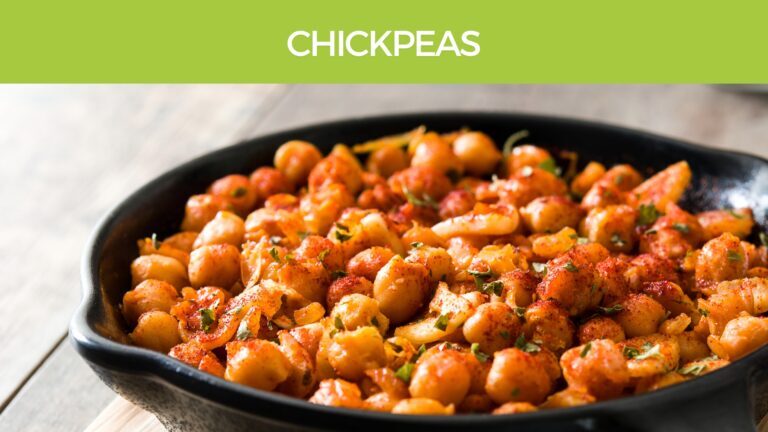
12. Chickpeas
You can have a few chickpeas, but make sure you have them very well cooked, as they can cause bloating otherwise. Chickpeas are a great source of carbohydrates and protein, with high-quality protein compared to other legumes.
Chickpea oil contains essential sterols such as β-Sitosterol, campesterol, and stigmasterol. In terms of minerals, chickpeas contain calcium (Ca), magnesium (Mg), phosphorus (P), and notably, potassium (K). Chickpeas are also rich in essential vitamins like riboflavin, niacin, thiamin, folate, and the precursor to vitamin A, β-carotene. (9)
Chickpeas (garbanzo beans) are an excellent source of plant-based protein, providing approximately 8–9% protein when cooked (around 20–22% protein when dried). They are naturally rich in fibre, resistant starch, and slowly digested carbohydrates, helping support healthy blood sugar balance, digestive health, and long-lasting energy. Chickpeas are also a valuable source of folate, magnesium, iron, and potassium, making them an ideal addition to a balanced detox or weight management diet. (34, 35)
Benefits of Chickpeas
- Approximately 8–9% protein when cooked (20–22% dry weight).
- Rich in plant protein and soluble fibre, helping reduce hunger and support satiety.
- Naturally low glycaemic, promoting healthy blood sugar and insulin balance.
- Excellent source of folate, magnesium, iron, potassium, and manganese.
- High in resistant starch and prebiotic fibre, supporting a healthy gut microbiome.
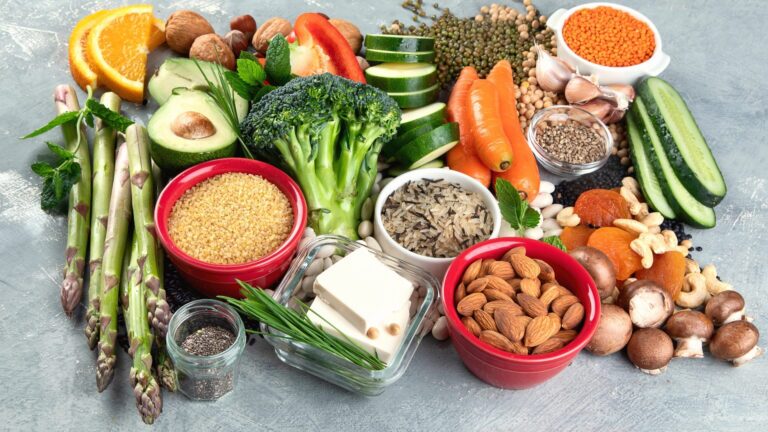
Protein for Weight loss
Protein is another great tool for weight loss or weight maintenance, as it takes longer to digest than refined carbohydrates. When eaten with other foods it causes the stomach to release a meal more slowly into the intestines, lowering the Glycemic Index and the amount of blood sugar taken into circulation. This means less sugar is stored by the body and therefore less fat is generated.
Satisfaction
Protein, like fat, creates a sense of satiety or fullness which helps reduce the total quantity of food eaten. Good protein along with good fat gives the body many of the nutrients it needs for proper metabolic function. If the body has all the nutrients it needs then false hunger signals are not generated and this helps reduce destructive eating habits.
The “Complete Protein” myth
There is a myth that vegetarians don’t get enough protein or that vegetables need to be combined to get the complete protein. This has proven to be untrue. You can find out more about this topic in my article “Super vegetarian Diet”
I recommend protein sources such as organic eggs, raw nuts, beans and legumes, pulses, raw farm milk, soft cheeses, fish & chicken, mushrooms, eggplant and leafy greens. A good vegetarian diet is preferable, and will also provide adequate protein. We also recommend herbs such as Spirulina, Barley grass, and the Ginsengs.
In protein drinks, we recommend pea, rice or hemp protein powders as they are more beneficial than traditional whey proteins.
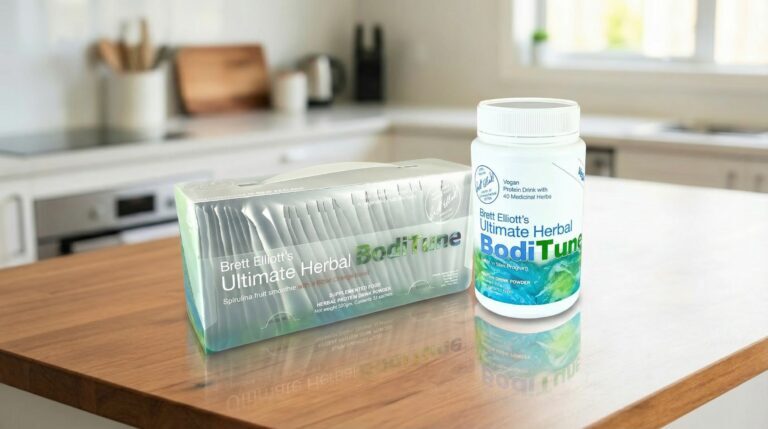
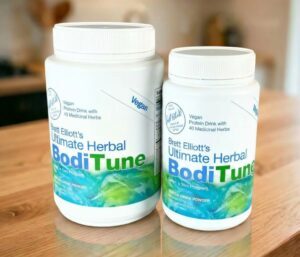
BodiTune Protein Drink Program (Sachets or Capsules)
In a 50% Protein base, the 40 herbal ingredients below make up the remaining 50% of Boditune Powder. See all herbal ingredients Here
This wonderful, natural protein, vegetable, and herb drink will help take away cravings; support your energy and blood sugar balance; maintain your weight long-term; support your metabolic rate; improve natural digestive function, and nourish and strengthen your body. It has a low GI, is suitable for vegans, and is free from harmful chemical additives.
The Many Other Benefits Of BodiTune
- Maintain your ideal weight long term
- Support metabolic rate (fat-burning)
- Reduce food cravings and conquer sugar addiction
- Promotes healthy blood sugar balance
- Prebiotic – Supporting colon health
- Liver detox and protection
- Better digestion and elimination
- Superfoods and enzymes included
- Improve metabolic energy
- Low Glycaemic Index (GI) to avoid sugar spikes
- Only 65 calories per serving
- Suitable for Vegans
- Dairy, Lactose, Soy, Nut and Gluten Free
- Pea Protein – Easier on the kidneys than whey
- 40 Healing Herbal Ingredients
- Dozens of superfood smoothie recipes provided
- Convenient bulk powder pot with 15gm scoop included
- No fillers, added fructose, glucose or other refined, simple sugars
- Free from synthetics – No Artifical vitamins, hydrogenated fats, artificial sweeteners, artificial flavours or colours
You can eat any of the protein sources recommended above during the BodiTune programs.
I hope you have found this page helpful.
Many blessings,
Brett Elliott ®