Kawakawa – Making Herbal Tea at Home

Kawakawa Tea
Easy Print

The great thing about herbal medicine is that you can often find what you need growing not far from home.

In New Zealand, we are surrounded by native bush on almost every corner, and one of the most common herbal medicines you will find growing locally is the amazing Kawakawa.

Today I’m making a simple Kawakawa tea with a little ginger and honey.

This plant is unmistakable and will be found growing beneath other slightly larger trees, like ponga or tea tree in this instance.

You can dry the leaves in a paper bag for a couple of days if you want to store some for later or make it fresh like I am here.

The perfect remedy for digestive stress and even just stress in general.

Apparently, the caterpillars eat the healthiest leaves, so often these are used for making herbal remedies. You can see the difference in these two photos below.
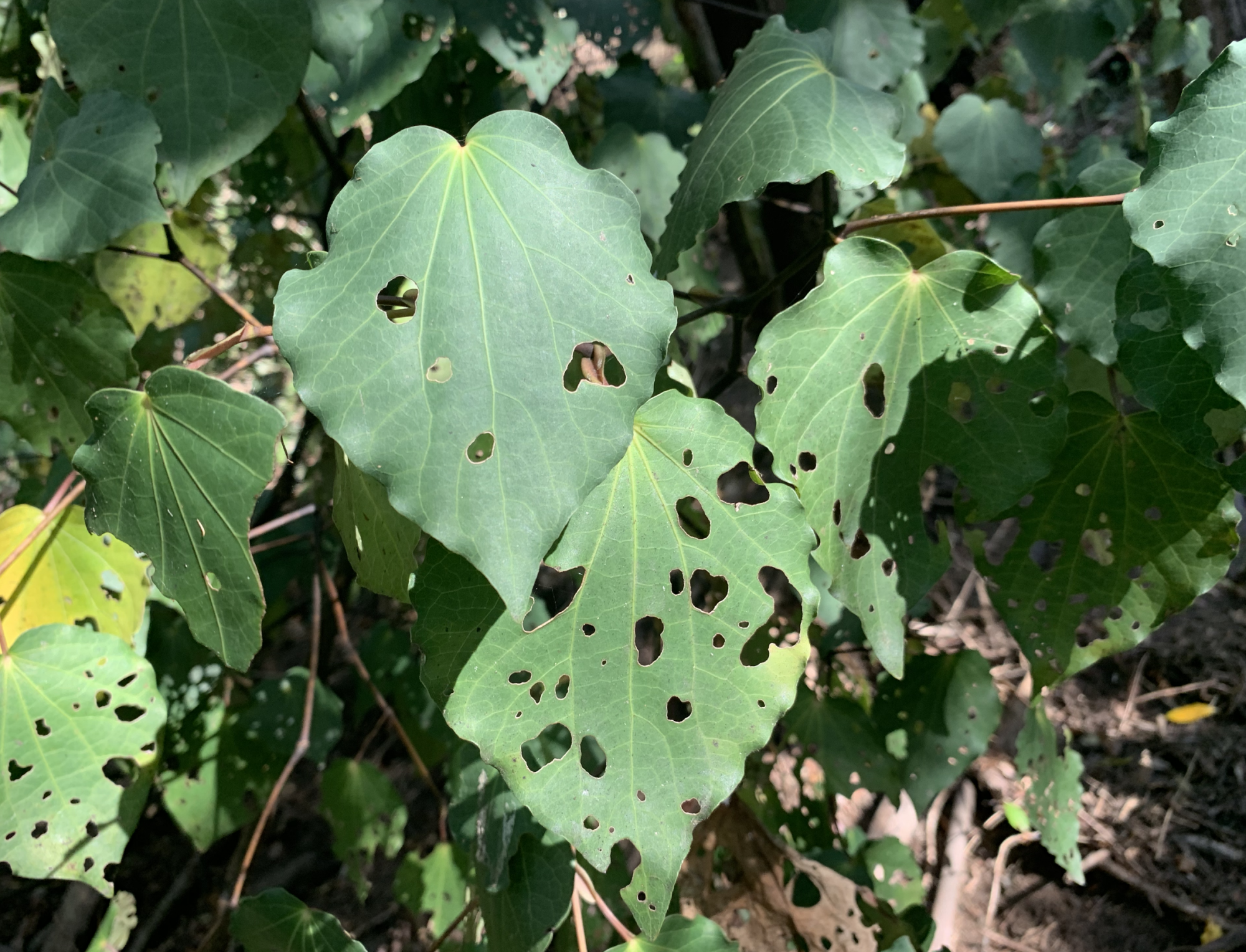
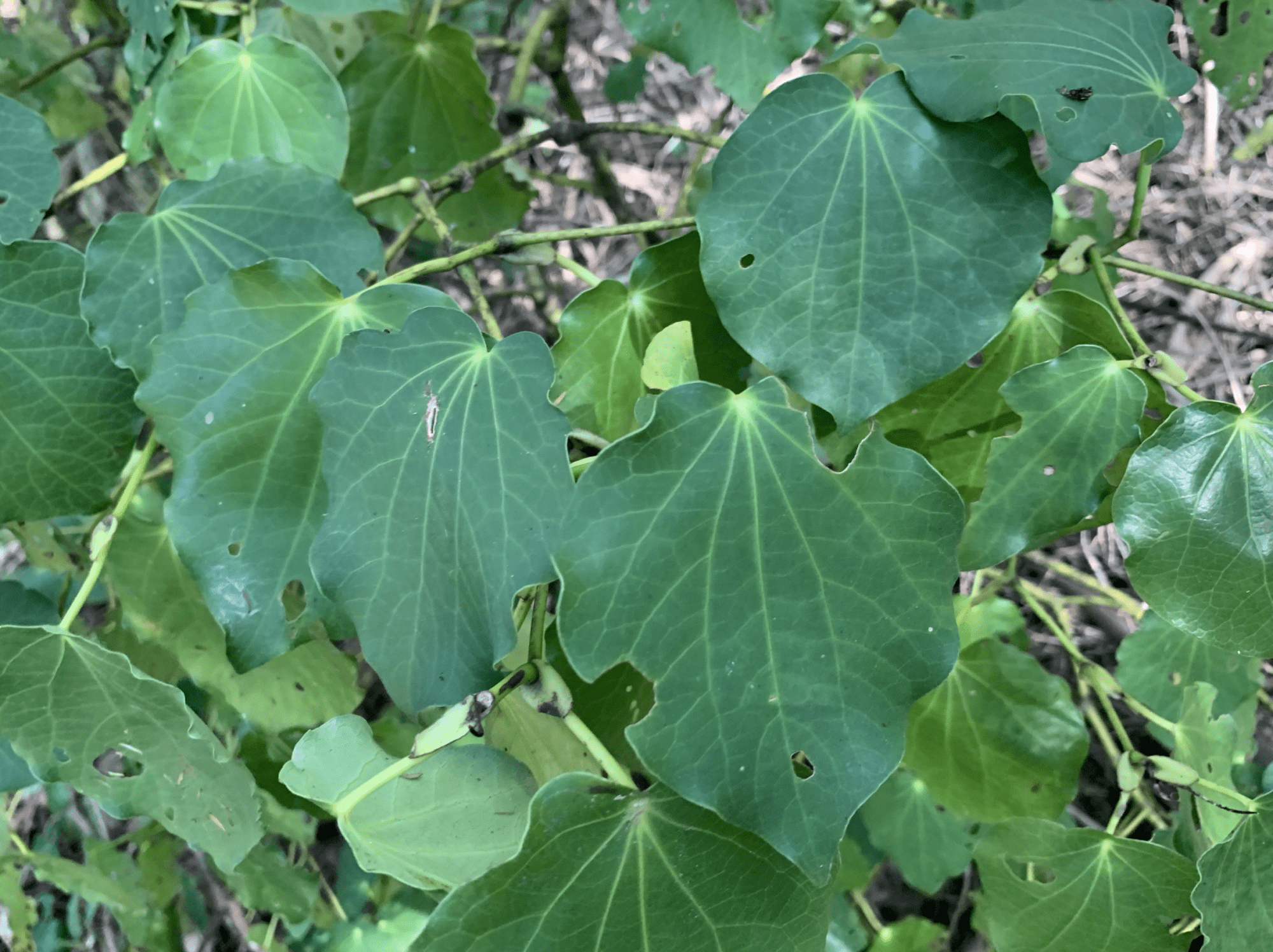
Kawakawa

More To Explore

Pau D’ arco Tabebuia avellanedae Herbal Monograph

Pau d’Arco (Tabebuia avellanedae) Herbal Monograph

1 month ago10Minutes2164Words49ViewsArticle References Article Tabebuia avellanedae (syn. Handroanthus impetiginosus) Common Names: Pau d’Arco Lapacho Taheebo Ipe Roxo Purple Trumpet Tree Pink Trumpet Tree Brazilian Lapacho Botanical Family: Bignoniaceae Part Used Medicinally: Inner bark (phloem) References 1. Antibacterial activity of lapachol and β-lapachone against resistant bacteriahttps://pmc.ncbi.nlm.nih.gov/articles/PMC1435768/ 2. Antifungal activity of Tabebuia species and naphthoquinoneshttps://pubmed.ncbi.nlm.nih.gov/21549673/ 3. Anti-inflammatory mechanisms of β-lapachonehttps://pubmed.ncbi.nlm.nih.gov/33158575/ 4. Phytochemistry and antioxidant activity of Tabebuia impetiginosahttps://www.sciencedirect.com/science/article/abs/pii/S0031942221000601 5. Trypanocidal activity of lapachol and related naphthoquinoneshttps://pubmed.ncbi.nlm.nih.gov/15120087/ 6. β-Lapachone: mechanisms of action and

Keto diets and Intermittent fasting

Keto Diet and Detox – Work Together

Keto diets have become a worldwide trend as a way to lose weight. They generally involve a high fat and protein intake, lots of fatty meat and low carb eating. However, is this really healthy, the best way of triggering Ketosis and could intermittent fasting be even better?