- 8 months ago
- 23Minutes
- 6117Words
- 2220Views
I will share some powerful information with you today, so you can take control of your blood sugar. I have seen many people achieve great results with my program and I am certain that with a little discipline and perseverance you can do the same.
(1) Otago University Prevalence of diabetes and prediabetes http://www.otago.ac.nz/diabetes/otago059631.html
(2) National Diabetes fact sheet http://www.cdc.gov/diabetes/pubs/pdf/ndfs_2011.pdf
(3) Greater fish, fruit and vegetable intakes are related to lower incidence of venous thromboembolism: the Longitudinal Investigation of Thromboembolism Etiology. http://www.ncbi.nlm.nih.gov/pubmed/17179018
(4) Diabetes mellitus: The epidemic of the century PubMed http://www.ncbi.nlm.nih.gov/pmc/articles/PMC4478580/
(5) Sesquiterpene Lactones from Artemisia Genus: Biological Activities and Methods of Analysis. PUBMED https://www.ncbi.nlm.nih.gov/pmc/articles/PMC4606394/
(6) Hypoglycemic properties of some preparations and compounds from Artemisia ludoviciana Nutt. PUBMED https://www.ncbi.nlm.nih.gov/pubmed/24892833/
(7) Possible hypoglycemic effect of Aloe vera L. high molecular weight fractions on type 2 diabetic patients. PUBMED https://www.ncbi.nlm.nih.gov/pmc/articles/PMC3731013/
(8) Hypoglycemic and hypolipidemic effect of Aloe vera L. in non-insulin dependent diabetics. PUBMED https://www.ncbi.nlm.nih.gov/pmc/articles/PMC3857397/
(9) Medical Definition of insulinotropic: stimulating or affecting the production and activity of insulin <an insulinotropic hormone> http://www.merriam-webster.com/medical/insulinotropic
(10) Comparative effects of dietary ginger (Zingiber officinale) and garlic (Allium sativum) investigated in a type 2 diabetes model of rats. PUBMED https://www.ncbi.nlm.nih.gov/pubmed/?term=insulinotropic+ginger
(11) The Effects of Ginger on Fasting Blood Sugar, Hemoglobin A1c, Apolipoprotein B, Apolipoprotein A-I and Malondialdehyde in Type 2 Diabetic Patients. PUBMED https://www.ncbi.nlm.nih.gov/pmc/articles/PMC4277626/
(12) Molecular Mechanisms of Chromium in Alleviating Insulin Resistance. PUBMED https://www.ncbi.nlm.nih.gov/pmc/articles/PMC3308119/
(13) Higher Magnesium Intake Reduces Risk of Impaired Glucose and Insulin Metabolism and Progression From Prediabetes to Diabetes in Middle-Aged Americans. PUBMED https://www.ncbi.nlm.nih.gov/pmc/articles/PMC3898748/
(14) Hypoglycemic effect of Gymnema sylvestre (retz.,) R.Br leaf in normal and alloxan induced diabetic rats. PUBMED https://www.ncbi.nlm.nih.gov/pmc/articles/PMC3336356/pdf/ASL-28-12.pdf
(15) 4-Hydroxyisoleucine: a novel amino acid potentiator of insulin secretion. PUBMED https://www.ncbi.nlm.nih.gov/pubmed/9519714/
(16) Therapeutic effects of soluble dietary fiber consumption on type 2 diabetes mellitus. PUBMED https://www.ncbi.nlm.nih.gov/pmc/articles/PMC4950069/
(17) Bitter gourd (Momordica Charantia): A dietary approach to hyperglycemia. PUBMED https://www.ncbi.nlm.nih.gov/pubmed/16910221/
(18) Psyllium decreased serum glucose and glycosylated hemoglobin significantly in diabetic outpatients. https://www.sciencedirect.com/science/article/pii/S0378874105003983
(19) Vegetarian Diets in the Prevention and Treatment of Type 2 Diabetes. PUBMED https://www.ncbi.nlm.nih.gov/pubmed/25915002
(20) Effect of stevia on blood glucose and HbA1C: A meta-analysis. https://pubmed.ncbi.nlm.nih.gov/39098209/
(21) Effect of stevia on blood glucose and HbA1C: A meta-analysis. https://pubmed.ncbi.nlm.nih.gov/39098209/
(22) The effect of nettle (Urtica dioica) supplementation on the glycemic control of patients with type 2 diabetes mellitus: A systematic review and meta-analysis. https://pubmed.ncbi.nlm.nih.gov/31802554/
(23) Effects of Urtica dioica on Metabolic Profiles in Type 2 Diabetes: A Systematic Review and Meta-analysis of Clinical Trials. https://pubmed.ncbi.nlm.nih.gov/34587883/
(24) Strength training is more effective than aerobic exercise for improving glycaemic control… in normal-weight type 2 diabetes: RCT (2023): https://pubmed.ncbi.nlm.nih.gov/37493759/
(25) Effect of resistance training on HbA1c in adults with type 2 diabetes… and moderating effect of muscular strength changes (2022): https://pmc.ncbi.nlm.nih.gov/articles/PMC8915309/
(26) The Effect of Regular Exercise on Insulin Sensitivity in Type 2 Diabetes Mellitus: Systematic Review and Meta-Analysis (2016): https://pubmed.ncbi.nlm.nih.gov/27535644/
(27) Metabolic Effects of Aerobic Training and Resistance Training in Type 2 Diabetic Subjects: RCT (the RAED2 study): https://pmc.ncbi.nlm.nih.gov/articles/PMC3308269/
(28) The effects of aerobic, resistance, and combination training on insulin sensitivity… (STRRIDE AT/RT): RCT: https://pmc.ncbi.nlm.nih.gov/articles/PMC4469920/
(29) Effect of nine different exercise interventions on insulin sensitivity in diabetic patients: Systematic review and network meta-analysis: https://pmc.ncbi.nlm.nih.gov/articles/PMC12424434/
(30) Exercise/Physical Activity in Individuals with Type 2 Diabetes: Consensus Statement from the American College of Sports Medicine: https://pmc.ncbi.nlm.nih.gov/articles/PMC8802999/




What Is Diabetes?
Diabetes mellitus is a metabolic disorder defined by the body’s inability to properly process carbohydrates, resulting in elevated blood sugar levels. This dysfunction occurs due to insufficient insulin production or, more commonly, poor insulin utilization.
There are two main forms of diabetes:
- Type 1 diabetes – an autoimmune condition involving insulin deficiency
- Type 2 diabetes – a metabolic condition involving insulin resistance
This article focuses on Type 2 diabetes, previously known as adult-onset or non–insulin-dependent diabetes. While it was once considered a condition of adulthood, type 2 diabetes is now increasingly seen in children, reflecting modern dietary and lifestyle patterns.
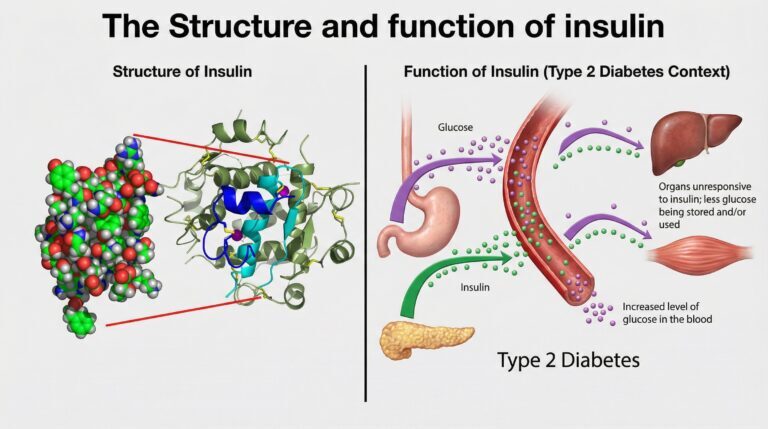
See two models of insulin above. On the left is the space-saving model and on the right is a ribbon model.
What Is Insulin?
Insulin is a vital hormone produced by the pancreas that regulates blood sugar (glucose) levels by allowing cells to absorb glucose from the bloodstream for energy. It acts as a “key,” unlocking cells to utilize sugar, or storing it for future use. Without enough insulin, blood sugar levels rise, leading to diabetes.
Insulin Resistance Explained
In type 2 diabetes, the pancreas often produces adequate insulin, but the body’s cells become resistant to its effects. This insulin resistance means glucose cannot efficiently enter cells to be used for energy, leaving excess sugar circulating in the bloodstream.
This process is strongly linked to:
- Long-term consumption of high-sugar and high–glycaemic index (GI) foods
- Chronic intake of processed carbohydrates
- Repeated blood sugar spikes over many years
Over time, the body becomes desensitised to insulin’s signal — a key driver in the development of type 2 diabetes.
Part of a Larger Metabolic Problem
Type 2 diabetes is one component of metabolic syndrome, a cluster of conditions including:
- Insulin resistance
- Abdominal obesity
- High blood pressure
- Abnormal blood fats
Metabolic syndrome now affects approximately 25% of the global population, making it one of the most significant health challenges of our time.

Type 2 Diabetes: A Growing Global Health Crisis
Type 2 diabetes and pre-diabetes are now being described as the epidemic of the century. According to the World Journal of Diabetes, the Western Pacific region currently has the highest number of adults diagnosed with diabetes, with some countries reporting prevalence rates as high as 37.5% (4). These figures highlight the urgent need for effective prevention strategies and natural treatment approaches that address the underlying causes of blood sugar imbalance.
New Zealand is no exception. In 2015, it was officially reported that 1 in 4 New Zealanders has pre-diabetes, placing a significant portion of the population at risk of progressing to type 2 diabetes if lifestyle changes are not made (1).
Key Statistics at a Glance
- Diabetes prevalence: 7% of the population
- Pre-diabetes prevalence: 26%
Higher rates observed in:
- Men: 8% vs women at 6%
- Obese individuals: 14% vs 3% in normal-weight individuals
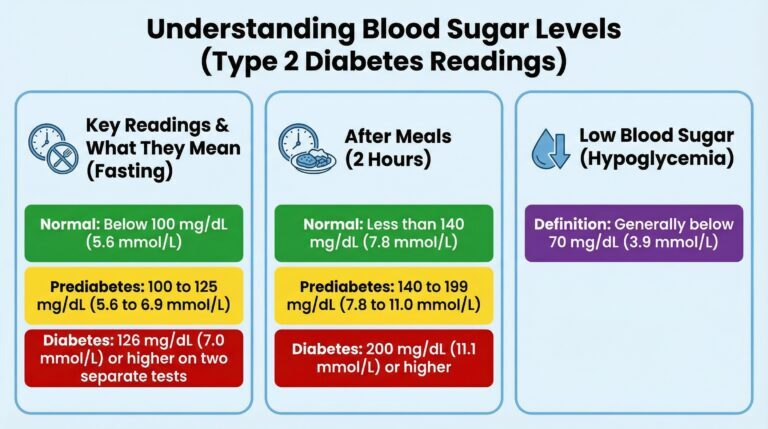
Understanding Blood Sugar Levels For Diabetes
You can easily test your own blood sugar levels to see if they are indicating an imbalance, and the graphic above gives a general picture of where they should sit before and after food.
When discussing type 2 diabetes we must look at the signs and symptoms of diabetes type 2, possible preventative methods, and the foods and herbs you can use to reverse progression and get it under control.
The Encouraging News
The most important takeaway is this:
Type 2 diabetes frequently responds very well to natural therapies.
By addressing diet, blood sugar regulation, gut health, detoxification, and lifestyle factors, many people are able to significantly improve — and in some cases reverse — their metabolic dysfunction.
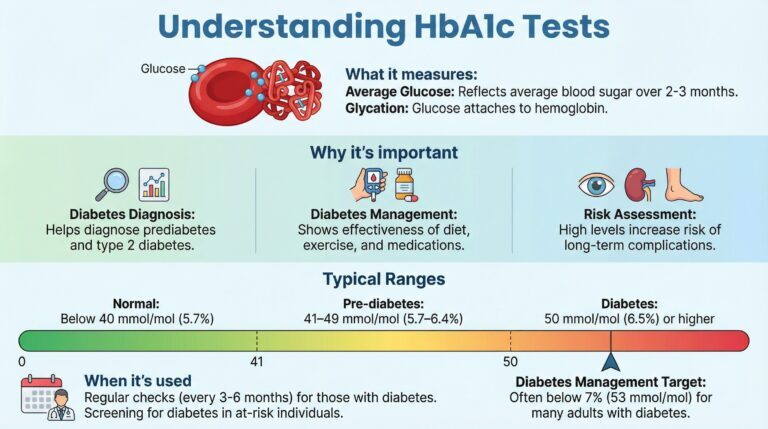
What Is HbA1c Test And What Does It Mean?
The HbA1c test (also called glycated haemoglobin) measures your average blood glucose levels over the past 2–3 months, making it one of the most important tests for diagnosing and monitoring diabetes. Unlike a finger-prick glucose test, which shows blood sugar at a single moment, HbA1c reflects long-term blood sugar control.
Glucose naturally attaches to haemoglobin in red blood cells. Because red blood cells live for around 2–3 months, higher blood sugar levels lead to more glucose sticking to haemoglobin — resulting in a higher HbA1c value. Persistently elevated HbA1c levels are strongly linked to an increased risk of diabetes complications, including nerve damage, kidney disease, vision loss, heart attack, and stroke.
What the HbA1c Test Measures
- Average blood glucose over the previous 2–3 months
- The degree of glycation (glucose bound to haemoglobin)
- Long-term blood sugar trends rather than daily fluctuations
Why HbA1c Is Important
- Diabetes diagnosis – identifies pre-diabetes and type 2 diabetes
- Diabetes management – tracks how well diet, exercise, and medications are working
- Risk assessment – higher levels mean higher risk of long-term complications
Typical HbA1c Ranges
- Normal: below 40 mmol/mol (below 5.7%)
- Pre-diabetes: 41–49 mmol/mol (5.7–6.4%)
- Diabetes: 50 mmol/mol (6.5%) or higher
Common treatment target: below 53 mmol/mol (7%) for many adults with diabetes
When the Test Is Used
- Every 3–6 months for people with diabetes
- As a screening tool for people at risk of diabetes or pre-diabetes
Understanding and improving your HbA1c is one of the most powerful ways to reduce diabetes-related complications — and natural approaches focusing on diet, lifestyle, and metabolic support can make a meaningful difference over time.

The Impact of Diabetes on Health and Longevity
Diabetes is a major contributor to chronic illness, disability, and premature death in both New Zealand and the United States. In New Zealand, diabetes affects an estimated 200,000 people, yet alarmingly only around half have been formally diagnosed. The overall prevalence of diabetes in New Zealand is currently estimated at approximately 4% of the population (1).
In the United States, diabetes is even more widespread. Among adults aged 20 years and older, 25.6 million people are affected. The prevalence rises sharply with age, with 26.9% of people aged 65 years or older living with diabetes (2). These figures highlight the growing metabolic burden facing modern societies.
Why Diabetes Causes So Much Damage
- Diabetes impairs the body’s ability to properly use glucose, the primary fuel for cellular energy. As a result:
- Glucose accumulates in the bloodstream, raising blood sugar levels
- Body cells are left starved of energy
- Long-term tissue and organ damage occurs
- Over time, this metabolic imbalance significantly increases the risk of serious complications.
Health Risks Associated with Diabetes
People with diabetes are at increased risk of developing:
- Heart disease and atherosclerosis
- Stroke
- Cataracts and diabetic retinopathy
- Kidney disease and nerve damage
- Poor wound healing and recurrent infections
In addition, individuals with diabetes who also have elevated homocysteine levels — often linked to excessive red meat consumption — have a higher overall mortality risk (3).
Common Signs and Symptoms of Diabetes
Early recognition is critical. Common symptoms include:
- Frequent urination (polyuria)
- Excessive thirst
- Persistent hunger, even after eating
- Extreme fatigue
- Blurred vision
- Slow-healing wounds
- Unexplained weight loss (more common in type 1 diabetes)
- Tingling, pain, or numbness in the hands and feet (more common in type 2 diabetes)
Diet, Blood Sugar & Glycaemic Control in Diabetes
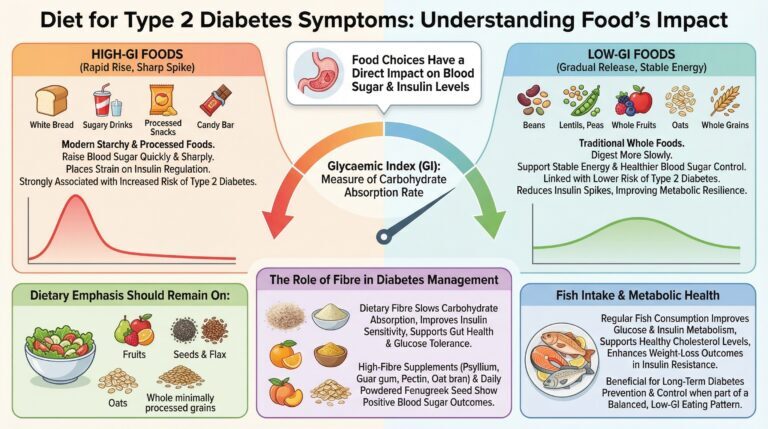
Food choices have a direct and measurable impact on blood sugar and insulin levels. Every time we eat carbohydrate-containing foods, blood glucose rises temporarily. How high and how fast that rise occurs depends on the food’s glycaemic index (GI) — a measure of how rapidly carbohydrates are absorbed into the bloodstream.
Many modern starchy and processed foods have a glycaemic index similar to table sugar, meaning they raise blood sugar quickly and sharply. Diets consistently high in these foods place significant strain on insulin regulation and are strongly associated with an increased risk of developing type 2 diabetes.
In contrast, traditional whole foods digest more slowly, supporting stable energy and healthier blood sugar control.
Low-Glycaemic Foods Support Blood Sugar Balance
Diets rich in low-GI carbohydrate foods are consistently linked with a lower risk of type 2 diabetes, including:
- Beans and peas
- Whole fruits
- Oats and whole grains
These foods release glucose gradually, reducing insulin spikes and improving metabolic resilience.
The Role of Fibre in Diabetes Management
Dietary fibre plays a critical role in blood sugar control by:
- Slowing carbohydrate absorption
- Improving insulin sensitivity
- Supporting gut health and glucose tolerance
Studies show improved glucose regulation with high-fibre supplements, including:
- Psyllium
- Guar gum
- Pectin (from fruit)
- Oat bran
Positive blood sugar outcomes have also been reported with daily powdered fenugreek seed consumption.
The dietary emphasis should remain on:
- Fruits and vegetables
- Seeds and oats
- Whole, minimally processed grains
Fish Intake and Metabolic Health
Regular fish consumption has been shown to:
- Improve glucose and insulin metabolism
- Support healthy cholesterol levels
- Enhance weight-loss outcomes in people with insulin resistance
Including fish as part of a balanced, low-GI eating pattern can be especially beneficial for long-term diabetes prevention and control.
Avoid metabolic stressors:
- Eliminate alcohol
- Avoid smoking
- Limit caffeine intake
For hypoglycaemia support:
- Remove refined sugars and alcohol
- Eat small, frequent meals
Even if you are only beginning to notice early signs of blood sugar imbalance, adopting a diabetes-friendly diet and recipes can help prevent progression, stabilise energy levels, and dramatically improve how you feel day to day.
For diabetic-friendly recipes and meal ideas, visit our recipe page and select “Diabetes” under the Special Diet filter. CLICK HERE

The Effect Of A Keto Diet On Type 2 Diabetes
A systematic review and meta-analysis examined whether a ketogenic diet offers advantages over standard control diets for people with type 2 diabetes.
Across 11 randomized controlled trials published between 2001 and 2021, the researchers found that while the ketogenic diet can modestly improve certain blood lipid markers—particularly increasing HDL (“good”) cholesterol and lowering triglycerides—it did not provide superior benefits for blood sugar control or weight loss compared with other dietary approaches.
Importantly, over follow-up periods of up to two years, the ketogenic diet showed no clear advantage for long-term glycaemic management, and concerns remain regarding sustainability and individual suitability.
Overall, the findings suggest that ketogenic diets may influence cardiovascular risk factors but are not inherently superior to other structured diets for managing type 2 diabetes.

Vegetarian Diet And Type 2 Diabetes
Vegetarian and plant-based diets have consistently been associated with a lower risk of developing type 2 diabetes and improved metabolic health.
People with diabetes who transition to a vegan or predominantly plant-based diet (excluding meat, dairy, and eggs) often report rapid improvements in blood sugar control, sometimes within days.
One key factor appears to be a lower overall protein intake—particularly animal protein—which has been linked to reduced kidney stress, improved insulin sensitivity, and better glucose tolerance.
Large observational studies show that the prevalence of type 2 diabetes is 1.6 to 2 times lower in vegetarians compared with the general population, even after adjusting for differences in body weight and BMI.
Clinical intervention trials further demonstrate that vegetarian diets can lead to greater weight loss and more significant reductions in fasting blood glucose than conventional diets, highlighting their potential role in both prevention and natural management of type 2 diabetes. (19)
Key Points at a Glance
- Vegetarians have a significantly lower risk of type 2 diabetes (1.6–2× lower) (19)
- Benefits remain even after adjusting for BMI and body weight (19)
Plant-based diets can:
- Improve insulin sensitivity
- Lower fasting blood glucose
- Promote greater weight loss
Reduced animal protein intake may:
- Protect kidney function
- Improve glucose tolerance
Rapid improvements are often reported when switching to a vegan or plant-focused diet

Body Weight, Exercise, and Type 2 Diabetes
The majority of people with type 2 diabetes are overweight, particularly carrying excess weight around the abdomen. This does not prevent insulin production, but it does make the body less sensitive to insulin, a condition known as insulin resistance. As insulin sensitivity drops, blood sugar remains elevated for longer periods. The encouraging news is that type 2 diabetes consistently improves with weight loss, even modest reductions.
Both aerobic exercise (like steady cardio, burning fats slowly) and anaerobic exercise (like weight training, using quick bursts to burn muscle glycogen) improve long-term insulin sensitivity and help control blood sugar, but they work in slightly different ways.
- Aerobic boosts how well your body uses oxygen, burns fat, and pulls in glucose more efficiently over time, leading to steady improvements in insulin sensitivity and lower blood sugar/HbA1c levels.
- Anaerobic (e.g., lifting weights) builds muscle, which acts like a big storage tank for glucose, uses up stored glycogen quickly (often lowering blood sugar during/after), and boosts insulin sensitivity through muscle growth and better glucose uptake—often matching or even beating aerobic for HbA1c reduction and fat loss in people with type 2 diabetes.
- High-intensity anaerobic (like HIIT) can give extra strong, lasting benefits for insulin sensitivity and glucose tolerance.
- Doing both together (combined training) usually works best overall for the biggest gains in insulin sensitivity, blood sugar stability, and health markers.
In short, mix weights (for muscle/glycogen benefits) with cardio (for fat-burning/efficiency) for the optimal long-term effect on insulin sensitivity and blood sugar—most evidence shows this combo is superior to either alone. (24-30)
Herbs for Diabetes
Several herbs are also known to help to manage the symptoms associated with diabetes, including the control of blood sugar levels.
We will look at the key herbs and how they work in brief below.

Aloe Vera – Blood Sugar & Lipid Balance
Aloe vera has a long history of medicinal use and growing scientific support for its role in blood sugar regulation and metabolic health. Research indicates that Aloe vera gel and its naturally occurring phytosterols can help support long-term glucose control, making it a useful natural adjunct in the management of type 2 diabetes.
In addition to lowering blood glucose, Aloe vera has been shown to improve lipid metabolism, particularly by reducing elevated triglyceride levels, which are commonly seen in people with diabetes and contribute to cardiovascular risk.
Key benefits and research findings:
- Supports long-term blood glucose control in type 2 diabetes
- Aloe-derived phytosterols contribute to improved insulin sensitivity
- Helps lower elevated triglyceride levels common in diabetic patients (7)
Supplementation with Aloe vera gel powder significantly reduced:
- Blood glucose levels
- Blood pressure
- Unhealthy lipid markers
- Demonstrated benefits in non-insulin-dependent diabetes mellitus (8)
Used consistently, Aloe vera can support healthier blood sugar balance, cardiovascular protection, and metabolic resilience when combined with dietary and lifestyle strategies.
Bitter Melon (Momordica charantia)
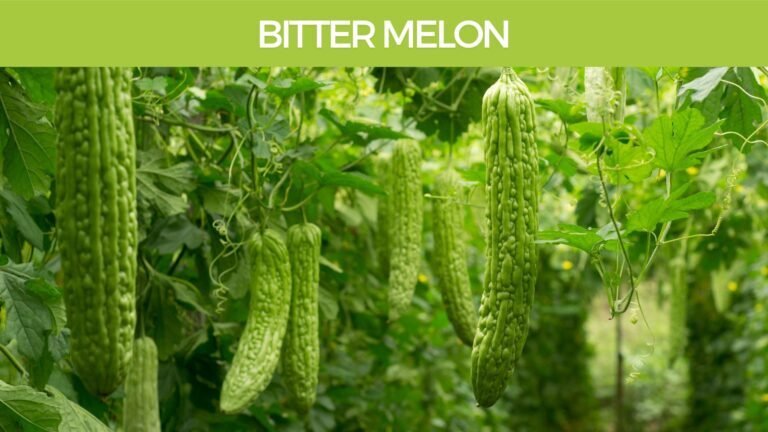
Bitter melon (Momordica charantia) has been widely studied for its ability to support healthy blood sugar regulation. Whole fruit, fried slices, water extracts, and juice have all shown improvements in blood glucose control in people with type 2 diabetes in preliminary human trials. These effects are attributed to key anti-diabetic compounds including charantin, vicine, and polypeptide-p, along with a broad range of antioxidant and bioactive plant compounds. Hypoglycaemic and metabolic benefits have been demonstrated across cell culture, animal, and human studies. (17)
Lifestyle choices also play a critical role. Alcohol and cigarette use consistently worsen glucose tolerance and significantly increase the risk of diabetic complications affecting the eyes, nerves, and kidneys. Removing these stressors often leads to measurable improvements in metabolic health.
Practical Blood Sugar Support Strategies
Bitter melon benefits:
- Improves fasting and post-meal blood glucose
- Enhances insulin sensitivity
- Provides antioxidant protection (17)
Cinnamon and Blood Sugar Balance
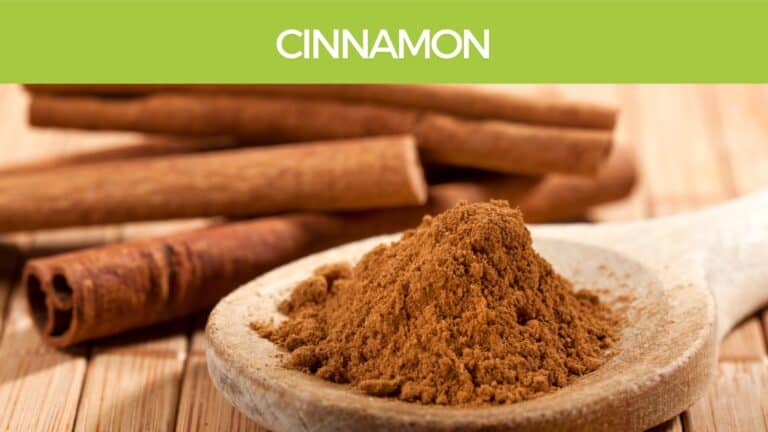
Cinnamon has been shown to play a meaningful role in blood sugar regulation and metabolic health. One of its primary active compounds, cinnamaldehyde, helps reduce vascular contractility and may slow the progression of hypertension in both type 1 and type 2 diabetes, alongside its insulin-supportive effects in insulin deficiency. (1) A large meta-analysis of 10 randomized controlled trials involving 543 patients found that cinnamon supplementation (120 mg–6 g daily for approximately 4 months) significantly reduced fasting plasma glucose and improved lipid profiles. (2)
At a cellular level, hydroxychalcone and cinnamaldehyde enhance insulin sensitivity by improving insulin receptor activation and increasing GLUT-4 transporters, allowing glucose to move more efficiently into cells. Cinnamon also inhibits pancreatic and intestinal amylase and glucosidase enzymes, slowing carbohydrate digestion and reducing post-meal blood sugar spikes. (4)
Key Benefits of Cinnamon:
- Improves insulin sensitivity and glucose uptake (4)
- Lowers fasting blood glucose levels (2)
- Reduces postprandial glucose spikes (4)]
- Weight management support
- Stabilises insulin levels, reducing fat storage signals
- May support metabolic balance through prebiotic effects on gut microbiota (5)
- Reduced sugar cravings
- Prevents rapid blood sugar fluctuations that drive appetite
Cinnamon tea or cinnamon-infused water may help curb late-night snacking (6)
Used regularly, cinnamon is a simple, natural, and evidence-backed tool to support healthy blood sugar control, appetite regulation, and long-term metabolic resilience.
Fenugreek – Blood Sugar Regulation & Insulin Support
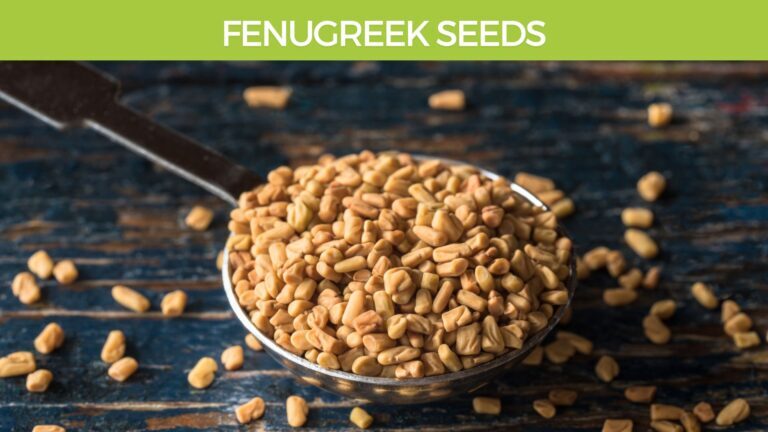
Fenugreek seeds (Trigonella foenum-graecum) have a long history of use in traditional medicine for blood sugar balance. They are particularly rich in soluble fibre, which slows the digestion and absorption of carbohydrates, helping to prevent sharp rises in blood glucose after meals. In addition to their fibre content, fenugreek seeds contain unique bioactive compounds that directly support insulin function.
Research suggests that fenugreek may help stimulate insulin release and improve overall glucose control, making it a valuable natural tool for people with insulin resistance, pre-diabetes, or type 2 diabetes.
Key benefits and mechanisms:
- High soluble fibre content slows carbohydrate digestion and glucose absorption
- Helps reduce post-meal blood sugar spikes
- Supports improved glucose tolerance
- Contains 4-hydroxyisoleucine, a compound shown to stimulate insulin secretion
- Insulin-stimulating (insulinotropic) effects may explain fenugreek’s anti-diabetic action (15)
Used regularly, fenugreek seeds can be a simple, food-based way to support healthier blood sugar control as part of a comprehensive diabetes prevention or management plan.
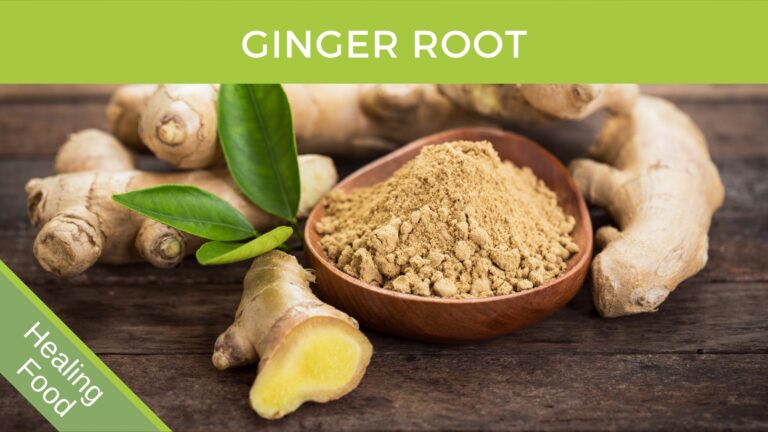
Ginger – Insulin Support & Diabetes Protection
Ginger (Zingiber officinale) is a powerful medicinal root with growing evidence supporting its role in blood sugar regulation and diabetes management. Research indicates that ginger acts primarily as an insulinotropic agent, meaning it helps stimulate insulin release rather than simply lowering blood glucose directly.
Experimental studies have shown that ginger produces strong anti-diabetic effects, particularly when used alongside a balanced, lower-fat diet. Its benefits appear to be reduced when combined with a high-fat dietary pattern, reinforcing the importance of dietary context in natural diabetes management.
Beyond blood sugar control, ginger’s strong anti-inflammatory and antioxidant properties may help protect against secondary complications of diabetes, including cardiovascular and metabolic damage.
Key benefits and research findings:
- Stimulates insulin secretion (insulinotropic action) rather than direct hypoglycaemic effects (9)
- Demonstrates strong anti-diabetic activity in experimental models (10)
- More effective when combined with a normal, lower-fat diet (10)
- Exhibits negligible side effects and good long-term safety (11)
- May reduce the risk of chronic diabetes-related complications (11)
Used regularly in food or therapeutic preparations, ginger is a safe, accessible, and effective natural support for improving insulin function and overall metabolic health.
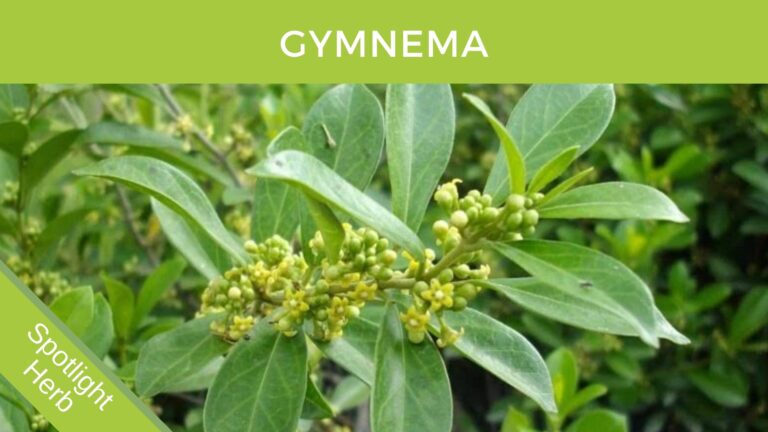
Gymnema – Insulin Support & Blood Sugar Control
Gymnema (Gymnema sylvestre) is one of the most respected herbal medicines for blood sugar regulation and has been widely studied for its role in supporting pancreatic function. It is known to stimulate insulin production in people with type 2 diabetes and enhance insulin activity in both type 1 and type 2 diabetes.
Gymnema does not replace insulin therapy, but by improving insulin efficiency and supporting pancreatic output, it may reduce insulin requirements over time. For this reason, blood sugar levels should be monitored closely when using Gymnema to avoid hypoglycaemia.
Key actions and benefits:
- Stimulates pancreatic insulin production (type 2 diabetes)
- Improves insulin sensitivity and glucose uptake
- Supports blood sugar reduction in both type 1 and type 2 diabetes
- May help reduce insulin dosage requirements (with monitoring)
- Demonstrated safety and effectiveness in experimental diabetes models (14)
One study provided strong experimental evidence supporting Gymnema sylvestre in the prevention and treatment of induced diabetes without observed side effects, reinforcing its value as a powerful natural adjunct for long-term blood sugar management. (14)
Nettle Leaf Tea For Blood Sugar Support

Nettle has traditional use in herbal medicine for metabolic health, including blood sugar regulation and diabetes support; emerging research on leaf extracts (and potentially teas) suggests it may help lower fasting blood glucose and improve glycemic control, often as an adjunct to conventional treatments.
- Meta-analyses show significant reduction in fasting blood glucose [FBS] in people with type 2 diabetes from nettle supplementation; with some analyses reporting benefits for HbA1 systematic review and meta-analysis. (22)
- 2022 systematic review and meta-analysis showed significant reductions in FBS, HbA1c, and other markers like triglycerides and blood pressure. (23)
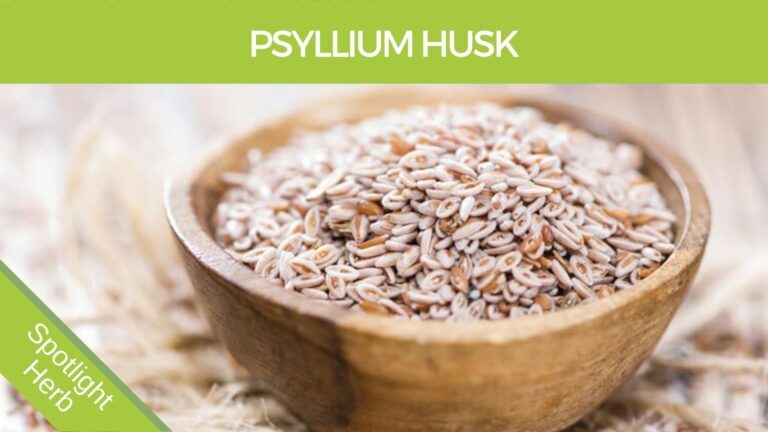
Psyllium – Blood Sugar & Cholesterol Control
Psyllium husk is a soluble fibre well known for its benefits in digestive health, but research also shows it plays an important role in blood sugar regulation and cholesterol management in people with type 2 diabetes. By forming a gel-like substance in the gut, psyllium slows carbohydrate absorption and reduces post-meal blood glucose spikes.
Clinical trials demonstrate that psyllium supplementation is both safe and well tolerated, making it a practical dietary addition for long-term metabolic support.
Key benefits and research findings:
- Improves blood glucose control in type 2 diabetes
- Helps lower total cholesterol and LDL (“bad”) cholesterol
In a double-blind trial, 5.1 g/day for 8 weeks resulted in:
- 11–19.2% reduction in blood glucose
- 8.9% reduction in total cholesterol
- 13% reduction in LDL cholesterol compared to placebo (18)
- Demonstrated therapeutic benefits for metabolic control and reduced coronary heart disease risk (16)
Regular use of psyllium can support stable blood sugar levels, improve lipid profiles, and reduce cardiovascular risk when combined with a high-fibre, whole-food diet.

Stevia Tea — A Natural Sugar Alternative for Blood Sugar Balance
Stevia is a plant source of a natural calorie-free sweetener. Its sweetness comes from steviol glycosides, which are not metabolized into usable sugars by the body and do not raise blood glucose levels (no glycemic response when consumed).
Stevia has potential blood glucose reduction when replacing sugar, especially in people with type 2 diabetes, higher BMI, or hypertension; some meta-analyses show reductions in fasting blood glucose (often within 1–4 months or short-term use <120 days), though effects on insulin and long-term HbA1c are inconsistent or non-significant. (20)
In another review 9 studies with a total of 756 participants showed that stevioside may generate reductions in blood pressure and fasting blood glucose. (21)
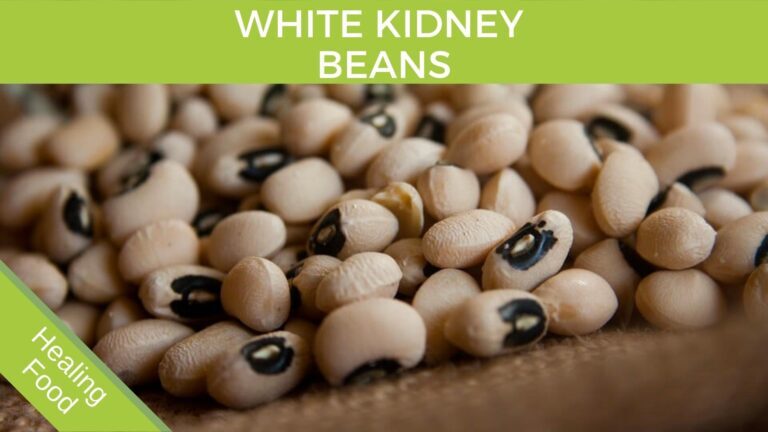
White Kidney Bean for Blood Sugar & Weight Control
White Kidney Bean (Phaseolus vulgaris) is a natural carbohydrate-modulating food and supplement that supports blood sugar balance, insulin sensitivity, and weight management. While beans and legumes are already known for their low glycaemic index (GI), high fibre, and protein content, modern research has focused on their ability to slow carbohydrate digestion by inhibiting key digestive enzymes.
After high-GI meals, blood sugar and insulin rise rapidly, promoting fat storage and, over time, insulin resistance—a key driver of type 2 diabetes and cardiovascular disease. One effective strategy to reduce this effect is blocking carbohydrate breakdown, lowering glucose absorption without eliminating carbs entirely.
Key Mechanism of Action
- White Kidney Bean extract inhibits alpha-amylase, the enzyme that breaks down complex carbohydrates
- Slows carbohydrate digestion and absorption
- Reduces post-meal blood sugar spikes
- Lowers the effective glycaemic index of foods like bread
- May reduce calorie absorption and support weight loss
White Kidney Bean Extract
The water extract from non-GMO White Kidney Beans contains concentrated alpha-amylase-inhibiting glycoproteins
- Common supplemental dose: 500–2000 mg per day
- Used in powders, capsules, tablets, and chewables
Research & Studies
- 10 clinical trials showed weight loss over time with Phase 2 supplementation
- 3 placebo-controlled studies demonstrated significant weight loss in overweight individuals (445–3000 mg/day for 4–12 weeks)
- 4 crossover studies showed reduced post-prandial blood sugar spikes (dose-dependent)
- One study showed reduced effective GI of bread when Phase 2 was used
No serious adverse effects have been reported

Wormwood – Blood Sugar & Metabolic Support
Wormwood (Artemisia species) is an aromatic medicinal plant long used in traditional healing systems around the world. Various Artemisia species have been valued for their volatile oils and broad therapeutic actions, including support for fever, inflammation, ulcers, intestinal parasites, and metabolic disorders.
Modern research has confirmed that certain wormwood species also exert notable hypoglycaemic effects, supporting their traditional use in blood sugar regulation. These effects may be related to improvements in glucose metabolism, insulin sensitivity, and reductions in metabolic inflammation.
Key benefits and findings:
- Traditionally used for diabetes, inflammation, ulcers, and intestinal parasites (5)
- Contains bioactive volatile oils with metabolic activity
- Demonstrates significant hypoglycaemic (blood sugar–lowering) effects in experimental studies (6)
- May support insulin sensitivity and glucose balance as part of a broader metabolic program
When used appropriately and in therapeutic formulations, wormwood can be a valuable natural adjunct for blood sugar support, particularly when combined with dietary and lifestyle interventions.
Type 2 Diabetes Program
Starting with the Ultimate Herbal DETOX is a great way to start the process of healing type 2 diabetes. This program contains Psyllium, Wormwood, Aloe Vera, Ginger and suggests a diet high in the other herbs mentioned above.
Follow this plan for 14 days, then again for 30 days. To achieve long-term results the dietary advice should be followed for up to 6 months.
Follow up plan
Specific products that aid in the regulation of blood sugar and weight loss include Satisfed, the Ultimate Herbal SLIM, and BodiTune DETOX ‘n SLIM protein drink. They contain therapeutic amounts of Gymnema and Chromium along with Psyllium and other fiber. The blood sugar balancing effects of these products have been very successful especially when the program is followed for the long term.
Brett Elliott ®