Herbal Healing Secrets — Click to Play
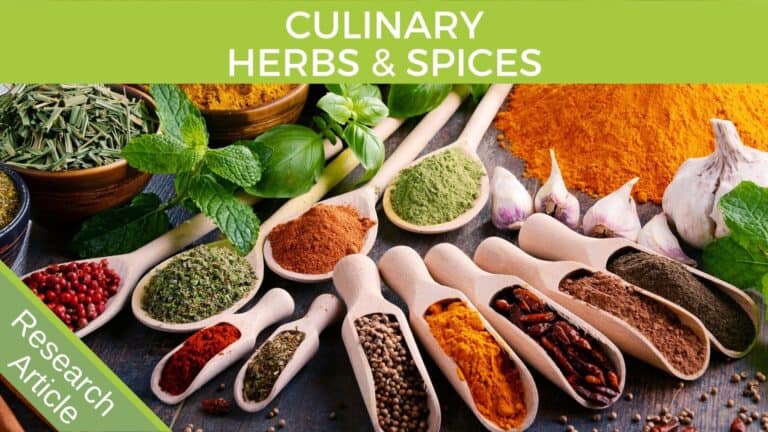
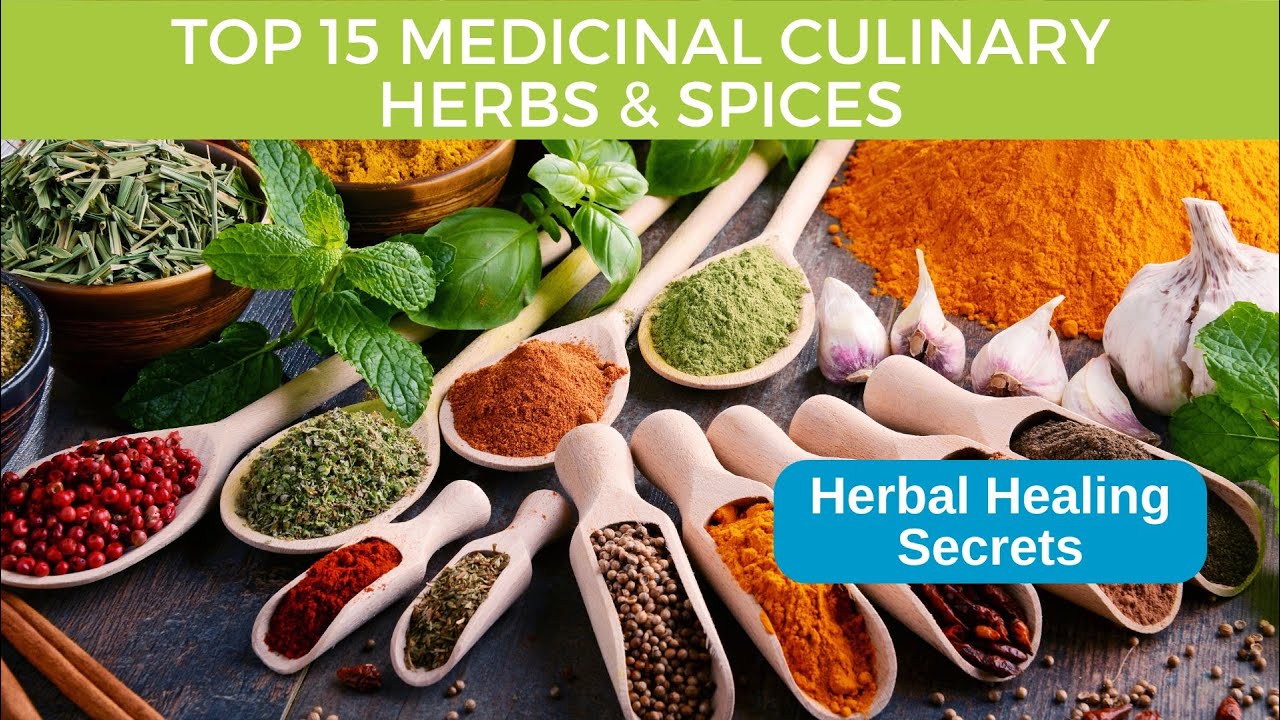
Culinary herbs and spices are not just for flavouring our food — they also provide a veritable feast of health-giving phytonutrients, making them superfoods in their own right. During your Herbal Detox program, we include lots of culinary herbs and spices in many of the recipes. That's because the specific combination of medicinal herbs work together as a team, and by adding the extra herbs in food adds to the overall cleansing and healing effect. In herbal medicine, this is called synergy and the impact can be huge.
There is growing evidence suggesting that populations in parts of Asia, where traditional diets rich in herbs and spices are consumed, experience lower rates of certain metabolic disorders compared to those who have moved onto a more Westernised diet. (27) (28)
Why Herbs & Spices Are Superfoods
It's well known that antioxidants reduce inflammation, slow the ageing process, and help protect us from chronic degenerative diseases. Antioxidant levels are measured using the ORAC value — Oxygen Radical Absorbance Capacity.
100–200× the Antioxidant Power of Conventional Food
Culinary herbs and spices have been shown to possess polyphenol antioxidant properties in much higher concentrations than conventional food — with 100 to 200 times the ORAC levels.
→ Download the ORAC Chart
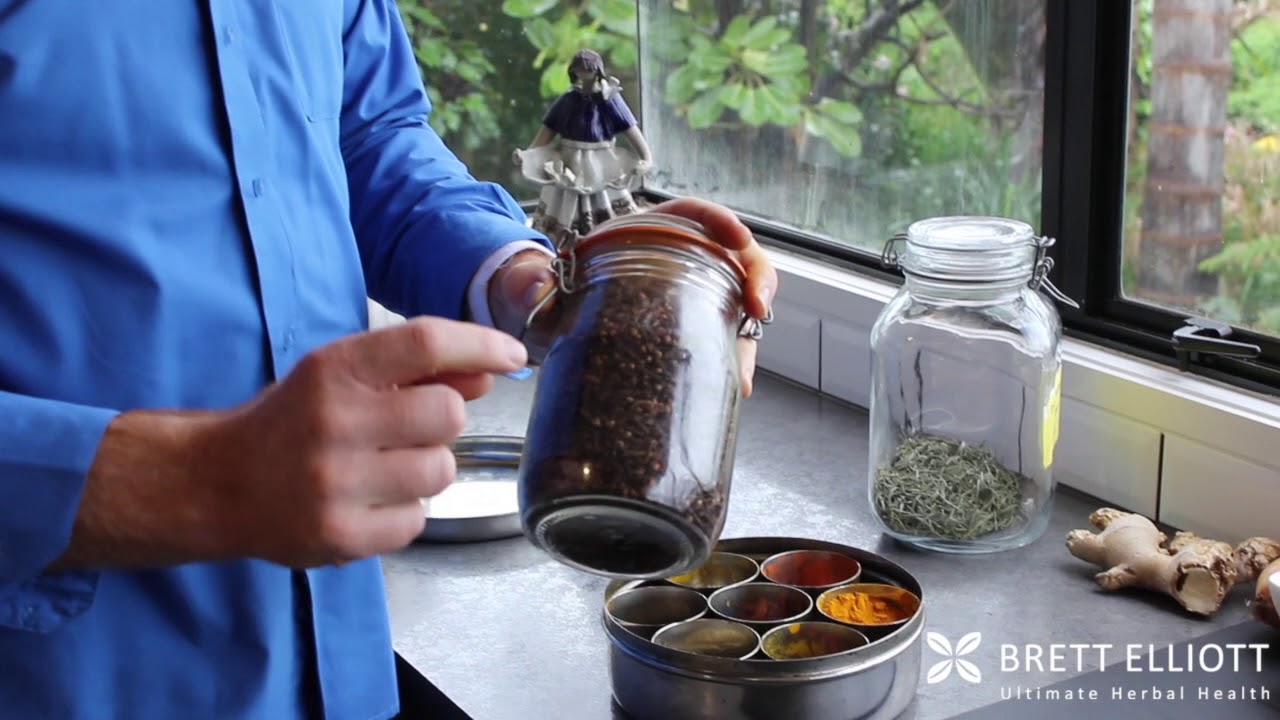
Brett in the Kitchen with Herbs
Turmeric & Curcumin Explained
Evidence suggests that it is the polyphenols that have a significant role to play in conferring the medicinal properties of herbs and spices, and as these foods have high polyphenol contents they may be important dietary sources of the purported protective properties that their polyphenols confer. (1)
Even if you have a relatively low intake of culinary herbs and spices, it does not necessarily mean that they are of little value. They have a relatively high polyphenol content, and thus ultimately the potential biological impact cannot be ignored. (1)
Jump to Any Herb or Spice
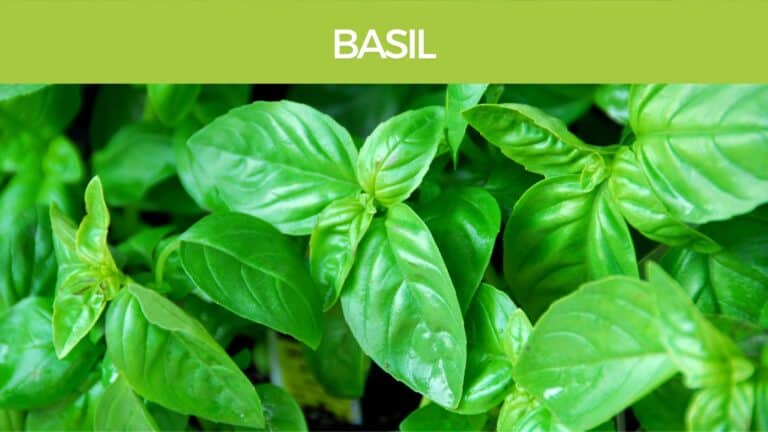
1 Basil (Ocimum basilicum)
When we think of Basil we think of Pesto, but Basil has some wide-reaching health benefits including anti-anxiety, antimicrobial and anti-inflammatory actions.
✓The essential oil of Basil has been shown to have anti-anxiety and sedative effects similar to that of sage. (2)
✓Basil has shown an antimicrobial effect against several strains of bacteria including Pseudomonas aeruginosa, Staphylococcus aureus and two strains of Escherichia coli. (3)
✓Basil oil has also been shown to have significant antifungal effects. (4)
✓Oil of Basil contains 2.5% caryophyllene (BCP) — a sesquiterpene that interacts with cannabinoid receptors in the brain, potent enough to have an anti-inflammatory impact at normal dietary levels. Herbs such as Basil and Oregano contain large amounts of BCP, which may protect against Crohn's Disease and other inflammatory bowel diseases. (5)
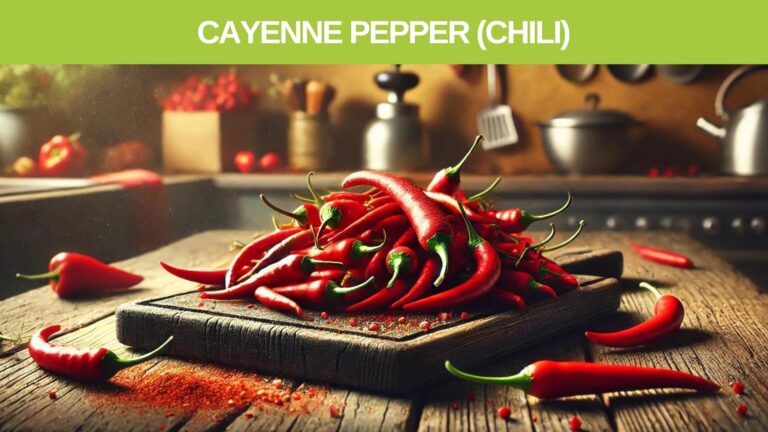
2 Cayenne (Capsicum annuum)
The common chili used to make Cayenne Pepper has far too many health benefits to list here, so we will only mention the most well known.
✓Cayenne has been shown to encourage weight loss. Three main areas of potential benefit for weight management were found: increased energy expenditure, increased lipid oxidation and reduced appetite. (7)
✓Red Chili Pepper has beneficial effects on metabolic syndrome and can decrease the risk of death due to cardiovascular diseases. (6)
✓Beneficial influences of capsaicin on the gastrointestinal system include digestive stimulant action and modulation of intestinal ultrastructure so as to enhance permeability to micronutrients. (8)
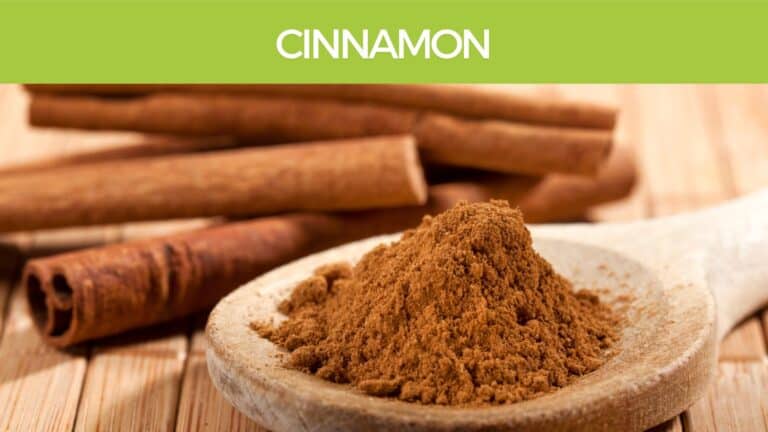
3 Cinnamon (Cinnamomum zeylanicum)
The great thing with cinnamon is that it tastes great and can be sprinkled on a variety of dishes including fruits, yoghurt and smoothies, but can even be used in curries.
✓Cinnamon has been shown to reduce levels of C-reactive protein (CRP) in the blood — the key marker of inflammation. (9)
✓One study showed that 1g of Cinnamon for 12 weeks reduced fasting blood glucose among poorly controlled Type 2 Diabetes patients. (10)
✓Eleven meta-analyses showed that cinnamon consumption can significantly improve total cholesterol. (25)
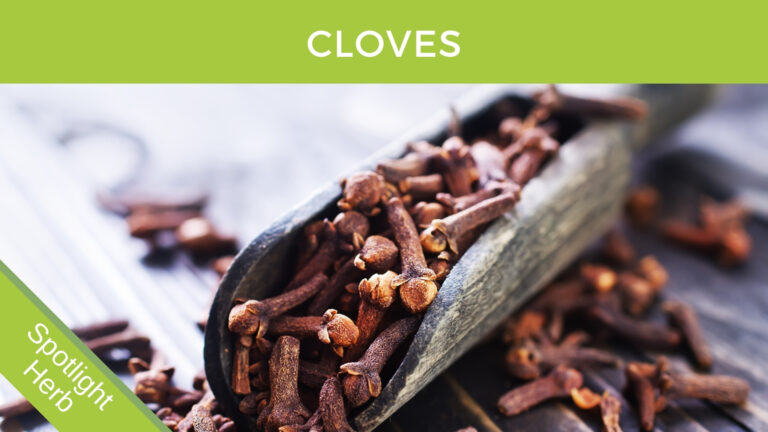
4 Clove Bud (Syzygium aromaticum)
Ordinary cloves are not often used in the kitchen, but do have powerful medicinal effects. Cloves contain phenolic acids, with gallic acid being the compound found in the highest concentration.
✓Clove has been used to relieve pain, soothe and relax the inner lining of the intestines — great for an upset stomach especially in children.
✓The antimicrobial activities of Clove have been proved against several bacteria strains such as E. coli, Staphylococcus aureus and Bacillus cereus. (11)
✓Cloves are also effective against intestinal worms.
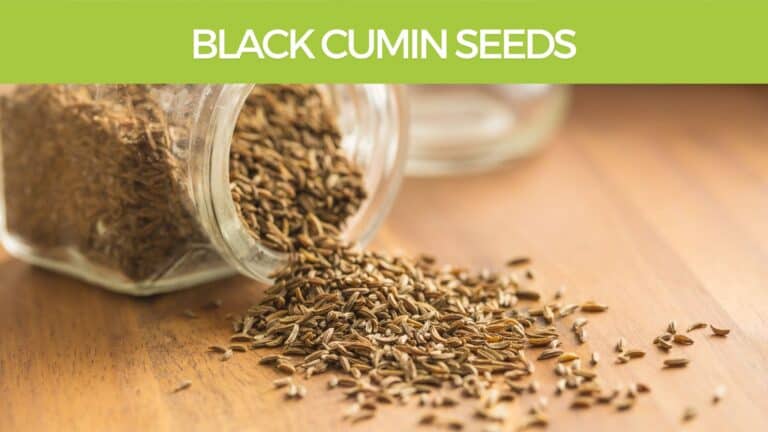
5 Black Cumin Seeds (Nigella sativa)
Black cumin (Nigella sativa L.) is a celebrated nutraceutical herb known for its extensive health benefits. Its main bioactive component is the phenol thymoquinone (TQ), which exhibits a wide range of effects, enhancing immune response, reducing oxidative stress and inflammation. (26)
🛡️
Antioxidant & Anti-inflammatory
Reduces oxidative stress and inflammation — key in preventing chronic diseases. Thymoquinone is one of the most studied natural anti-inflammatory compounds.
💪
Immune Enhancement
Boosts immune system functionality. Black cumin has been used for centuries in traditional medicine as a general immune tonic and infection fighter.
🧬
Cancer Protection
Offers protective effects against the development of cancer. Thymoquinone has been shown to induce apoptosis in several cancer cell lines in laboratory studies.
🔬
Antidotal Properties
Mitigates various toxicities and reduces side effects of drugs. Black cumin has been studied for its ability to protect the liver and kidneys from chemical damage.
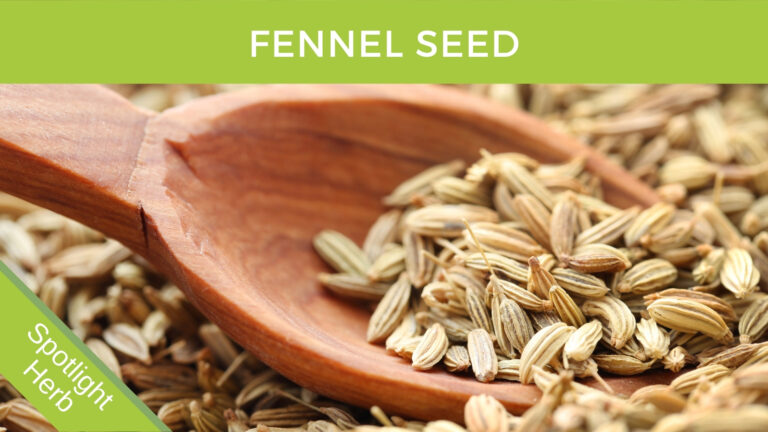
6 Fennel Seed (Foeniculum vulgare)
Fennel seeds have a lovely aniseed-like flavour and lift the taste of any dish they are added to. The main volatile component in fennel seeds is anethole, responsible for the characteristic sweet, anise-like aroma. The seeds are also great for digestive support.
✓Fennel seed revealed a highly significant diuretic effect which proves the earlier folk claim of Fennel reported in the USA. (12)
✓Crying time reduction was observed in 85.4% of infant colic subjects using Fennel. (12)
✓More commonly Fennel seed is used to soothe digestion after eating. Cumin and Caraway seeds have a similar effect.
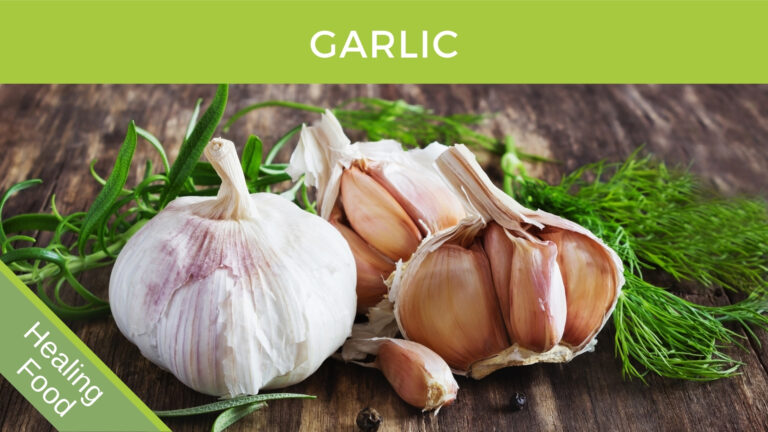
7 Garlic (Allium sativum)
The medicinal effects of Garlic have been well documented. The range of benefits for garlic are far too many to list here — click here to see more.
✓Anti-fungal, Anti-Bacterial, Anti-parasitic and immune boosting. (13)
✓The wealth of scientific literature supports the proposal that Garlic consumption has significant effects on lowering Blood Pressure and Cholesterol. (13)
✓For immune system effects raw Garlic is best, but for the cardiovascular benefits, cooked Garlic is just as effective.
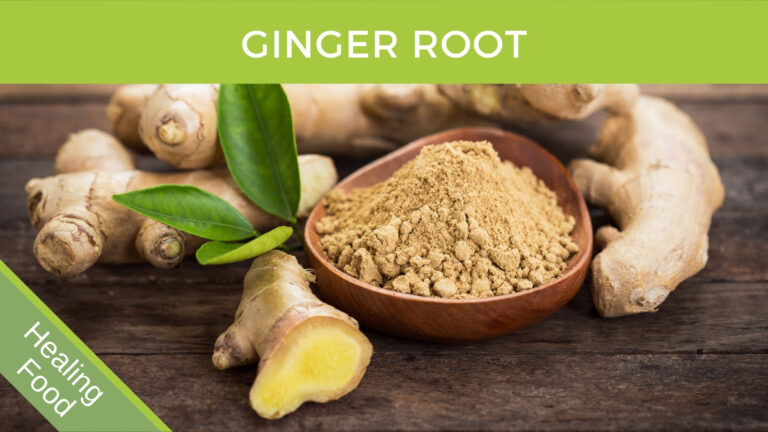
8 Ginger (Zingiber officinale)
Another versatile culinary herb that can be added to almost any Asian curry dish. Ginger has been reported to exert multiple health effects including: (14)
✓Anti-oxidant, anti-ulcer, anti-inflammatory, anti-tumor, gas-reducing, stomach protective, and circulatory benefits. (14)
✓One of the most popular uses for Ginger is in the reduction of nausea and air sickness.
✓Ginger is often used in herbal medicine to improve the circulation of other herbal remedies and works in a similar way to Turmeric and Black Pepper in this area.
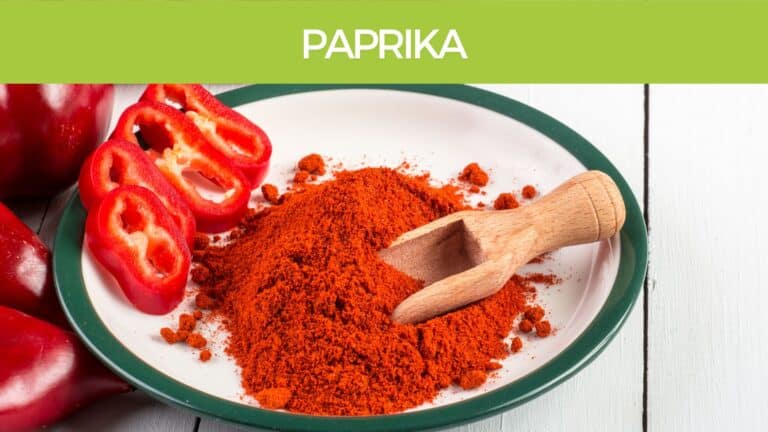
9 Paprika (Capsicum annuum)
Paprika is a special type of chili powder, traditionally from Hungary and often smoked. It is packed with antioxidant carotenoids.
✓Paprika contains a wide range of antioxidants, particularly the carotenoids including zeaxanthin and capsanthin, along with chlorophyll, polyphenols, tannins, and flavonoids. (15) (16)
✓The capsanthin content has been shown to help raise healthy HDL Cholesterol levels, potentially protecting the heart. (17)
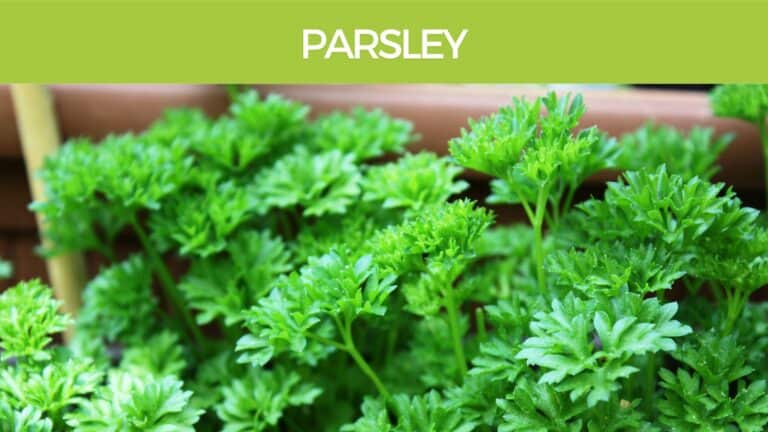
10 Parsley (Petroselinum crispum)
Parsley is a very popular herb in Europe, it is widely spread and easy to grow. It is a super nutrient-rich food with many health benefits.
✓Its leaves and seeds are known to be diuretic, smooth muscle relaxant and liver protective.
✓The most important identified active ingredients are flavonoids, coumarins, and vitamin C.
✓The bioactive flavonoid apigenin has anti-inflammatory, antioxidant and anticancer activities. (18)
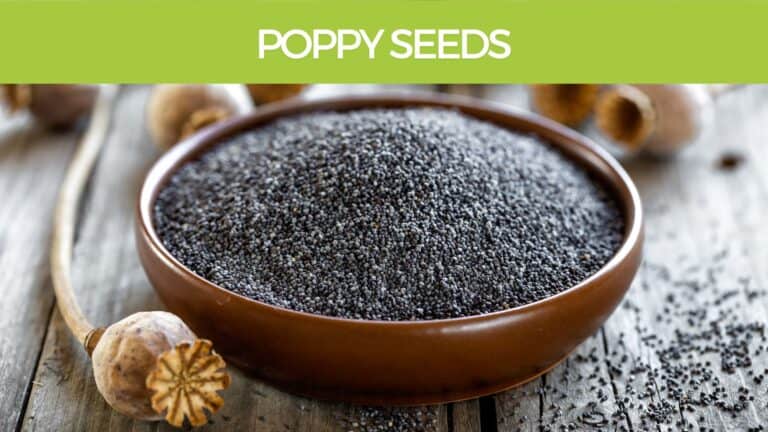
11 Poppy Seeds (Papaver somniferum)
The poppy seed plant is celebrated for its significant health advantages, deriving from its rich nutritional profile that includes proteins, oils, dietary fibre, antioxidants, and other micronutrients. The plant's seeds are extensively utilised in cooking.
🌾
Nutrient-Rich
High in proteins, dietary fibre, and essential oils. Poppy seeds are a good source of calcium, iron, zinc and magnesium — minerals often lacking in modern diets.
🧪
Antioxidant Properties
Contains tocopherols and other antioxidants that help reduce oxidative stress. The tocopherol (Vitamin E) content is particularly notable for cardiovascular protection.
🌿
Bioactive Compounds
Includes alkaloids, flavonoids, phenolic compounds, and polyunsaturated fatty acids that are beneficial for health. Research shows potential effects against hypertension and cancer.
(23)
12 Rosemary (Salvia rosmarinus)
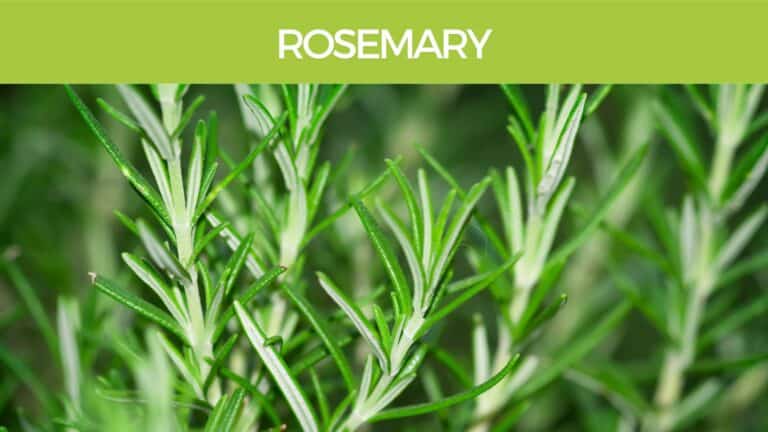
Rosemary is known for its wonderful aroma and can be used in a wide variety of meat and vegetable dishes. It contains many bioactive antioxidant molecules including Carnosic acid, Rosmarinic acid, Carnosol, Ursolic acid and many essential oils.
✓It has phytocompounds responsible for several pharmacological activities, such as anti-inflammatory, antioxidant, antimicrobial, anti-proliferative, antitumour and protective activities. (19)
✓It is a digestive system and metabolic tonic.
✓Most commonly in herbal medicine, rosemary is known as a brain protector similar to the herb Ginkgo Biloba.
13 Saffron (Crocus sativus)
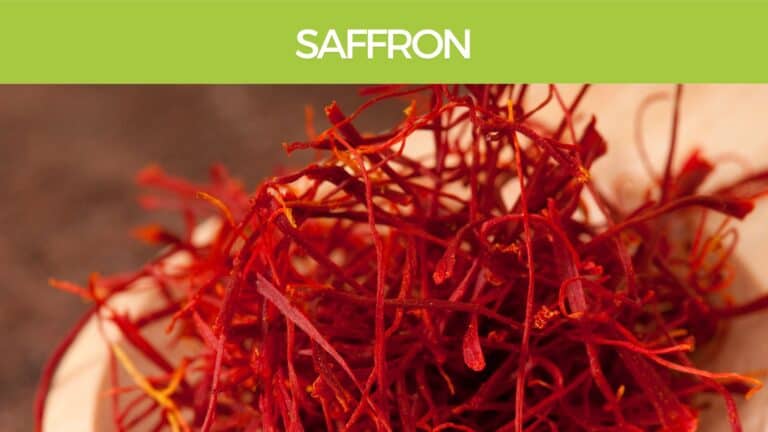
Rich in colour, saffron is used as a dye or to colour food. The antioxidants found in saffron, particularly crocin and crocetin, are believed to cross the blood-brain barrier.
✓Studies have shown it to be a medicinal plant with therapeutic properties including activity on the nervous and cardiovascular systems, and in the Liver.
✓Saffron has antidepressant, anxiolytic and anticancer properties.
✓Crocetin from Saffron has protective effects against damage to the brain, eyes, and retina, inhibiting degeneration of photoreceptors and retinal dysfunction — making it useful in treating macular degeneration. (20)
14 Sage (Salvia officinalis)
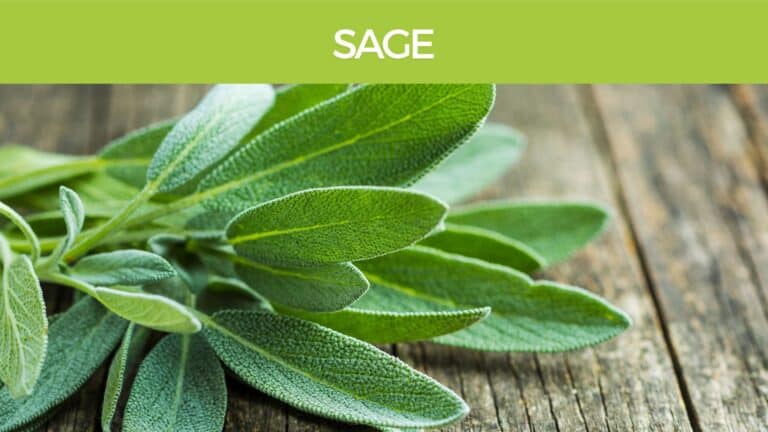
Often endowed with mystic properties, sage is sometimes smoked or burned in rituals. Sage contains many of the same compounds as rosemary but has significant levels of the terpene Thujone that can impact the nervous system.
✓Sage has been used for the treatment of different kinds of disorders including seizure, ulcers, gout, rheumatism, inflammation, dizziness, tremor, paralysis, diarrhoea, and hyperglycaemia.
✓Studies have revealed a wide range of pharmacological activities including antimicrobial, antiviral and anticancer effects. (21)
15 Turmeric (Curcuma longa)
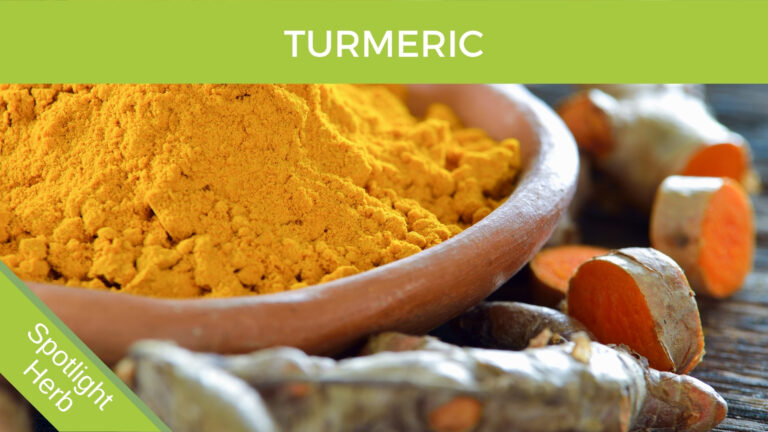
Turmeric is a very popular spice used in a multitude of recipes, and also as a powerful herbal medicine. To date, over 100 different clinical trials have been completed using Curcumin, the active compound in Turmeric.
✓Modern science has revealed that curcumin modulates inflammation via several important molecular targets, including transcription factors, enzymes, cell cycle proteins, cytokines, receptors, and cell surface adhesion molecules.
✓Curcumin is now being used to treat Cancer, Arthritis, Diabetes, Crohn's Disease, cardiovascular diseases, Osteoporosis, Alzheimer's disease, Psoriasis, and other pathologies. (22)
16 Masala & Curry Powders
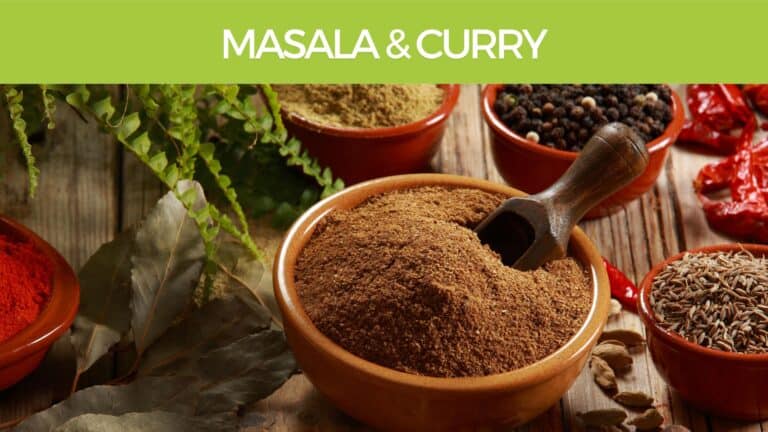
When multiple herbs are combined into a curry or masala powder and used in cooking, the health benefits are increased due to the effect of herbal synergy, also known as the entourage effect. This is also true of medicinal herbs and is practised around the world in various herbalist traditions.
♨️
Microwaving, Simmering & Stewing
These methods increased antioxidant capacity — probably as a result of heat liberating the antioxidant compounds from the plant matrix. Great news for soups, curries and stir-fries.
🔥
Dry Heating, Grilling & Frying
These techniques resulted in a decrease in antioxidant capacity. High dry heat degrades polyphenols and volatile oils, reducing the medicinal value of the herbs.
🌿
The Synergy Effect
A study on Cinnamon, Cloves, Fennel, Ginger, Parsley, Rosemary, Sage and Thyme showed that combining herbs in cooking amplifies their individual benefits through the
entourage effect.
(1)
🍳 Browse Curry & Herb Recipes
Conclusion
When completing a herbal detox program like our Ultimate Herbal Detox you will already be getting 24 incredible medicinal healing herbs. So can you imagine the combined benefits of including all of these culinary herbs on your detox diet plan? The profound health benefits will be huge!
Plant-based food, herbs, and spices should form the foundation of your long-term diet plan — with medicinal cleansing herbs as that extra top-up every few months. With this combination in hand, you simply can't go wrong!