
- 3 days ago
- 12Minutes
- 2566Words
- 1190Views
You might be asking how to get rid of bloating or what to do when bloated. Most of us suffer from bloating occasionally, especially after eating a large amount of food or the wrong types of food. It is a common form of indigestion, but can often be a bit of a mystery and it’s sometimes hard to know what exactly has caused it.
Today we will look at this problem in a little detail and hope to shed some light on the issue, so you can get relief in the short term but also potentially solve the problem long-term as well.

Understanding Bloating, Gas & What’s “Normal”
A certain amount of gas production is a completely natural part of healthy digestion. In fact, the gastrointestinal tract normally contains very little gas at any given time, while the colon continuously produces gas as bacteria ferment food residues. Passing wind is simply the body’s way of releasing this pressure. However, when gas becomes excessive and is accompanied by bloating, discomfort, or abdominal distension, it may indicate an imbalance in digestion or gut microbiota that requires attention.
Key Facts About Normal Gas Production
- The gastrointestinal tract usually contains less than 200 mL of gas at any moment.
- Average daily gas expulsion is 600–700 mL.
- Healthy men pass flatus around 14 times per day, especially after meals.
- Passing wind up to 25 times daily is considered normal.
- Major gases in flatus include nitrogen, oxygen, carbon dioxide, hydrogen, and methane.
- About 74% of intestinal gas comes from colonic bacterial fermentation of nutrients and endogenous glycoproteins (hydrogen, methane, CO₂). (7)
When Gas Suggests an Issue
Excessive farting accompanied by:
- Bloating
- Internal discomfort
- Abdominal pressure
- Pain or irregular bowel movements
These symptoms may indicate a microbiome imbalance, poor digestion, or food intolerance.
What Defines Problematic Bloating?
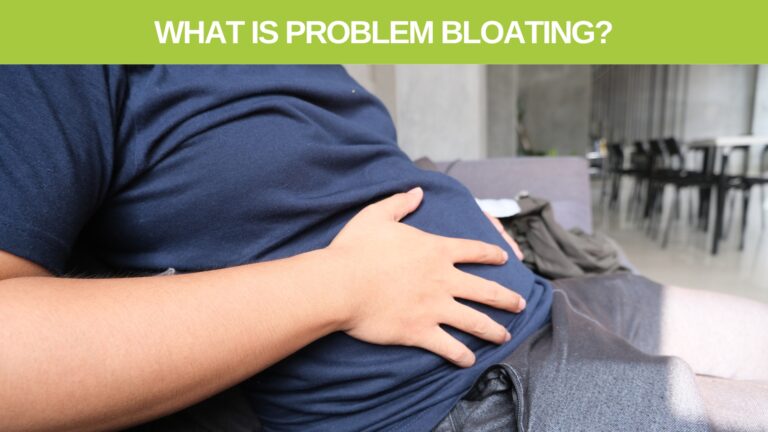
Bloating is more common in women (19.2%) than men (10.5%). Between 10% to 25% of healthy people experience bloating. It is particularly common in persons with irritable bowel syndrome and constipation. (8)
There is a pattern of symptoms that define what bloating actually is. This is called the Rome Criteria and is used for diagnosis. (1)
- The recurrent feeling of bloating or visible distention for at least 3 days per month
- The onset of symptoms at least 6 months prior to diagnosis
- Presence of symptoms for at least 3 months
- Insufficient criteria to establish a diagnosis of irritable bowel syndrome, functional indigestion, acid reflux, or any other functional gastrointestinal disorder (1)
Other symptoms may include burping or belching, farting a lot, and sharp stabbing abdominal pains.
What Causes Painful Gas in the Gut?
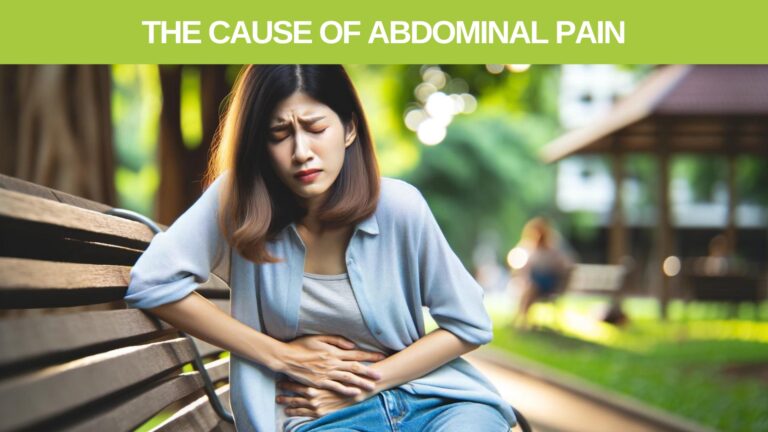
Also known as flatulence, gas in the gut is usually associated with what’s going on further down in the digestive system, like in the small intestine and colon.
There are a number of other conditions that can be connected with excess gas and a bloated stomach.
These include:
- 90% of patients with irritable bowel syndrome (IBS) have symptoms of bloating
- Functional Dyspepsia (Indigestion)
- Chronic constipation
- Celiac disease
- Diverticulitis
- Lactose intolerance
- Fructose intolerance
- Gluten sensitivity (1)
Foods That Cause Gas And Bloating
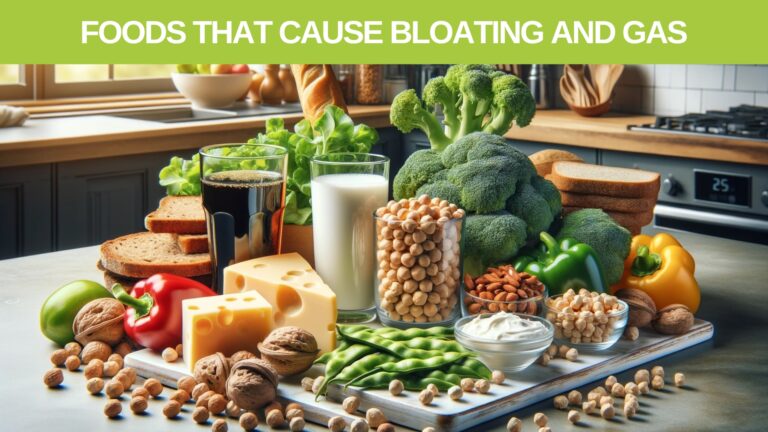
A number of foods are also known to be gas forming such as:
- Raw Brassica including Broccoli, Cabbage, Cauliflower, Brussels sprouts
- Raw Carrots, Celery, Onions
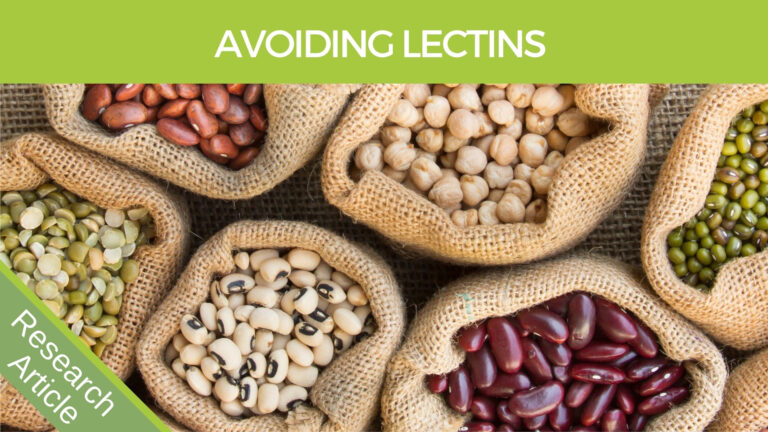
- Legumes, Beans, Chickpeas, Dahl, especially if not well cooked (high in inflammatory Lectins)
- Nuts and seeds (also contain lectins)
- Sugary drinks
- Dairy products
- Wheat products
Gut Microflora and Gas Production
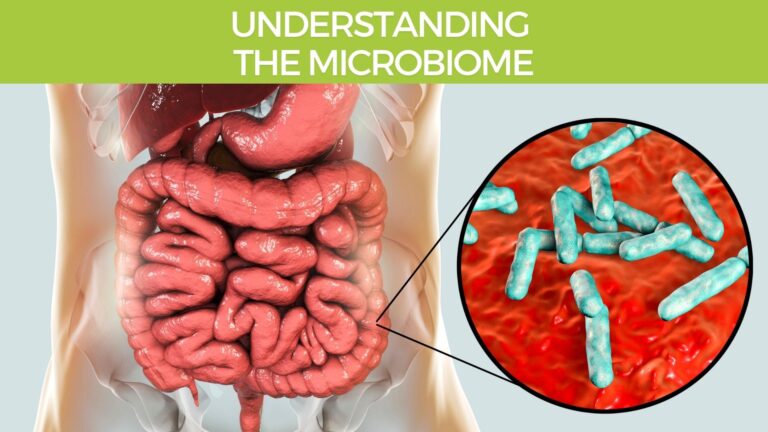
The gut microflora—also known as the gut microbiome or microbiota—refers to the vast community of bacteria and their metabolic byproducts living within the digestive tract. These microbes have a profound influence on both intestinal function and whole-body health. Around 500 different bacterial species inhabit the colon alone, forming a dynamic ecosystem that helps regulate digestive balance (1).
Over the past decade, research has revealed that these microorganisms are essential for:
- Gut immune function
- Mucosal barrier integrity
- Drug and toxin metabolism
- Production of vitamins and short-chain fatty acids (SCFAs)
Because gut bacteria also ferment undigested food, even small shifts in microbial balance can significantly affect gas production. This is why dysbiosis—an imbalance in gut flora—often contributes to excess bloating, gas, and abdominal discomfort (1).
Key Points
- The colon contains ~500 bacterial species (1).
- Gut microflora regulate immunity, barrier function, and nutrient production.
- Disturbances in gut flora can increase fermentation and gas buildup.
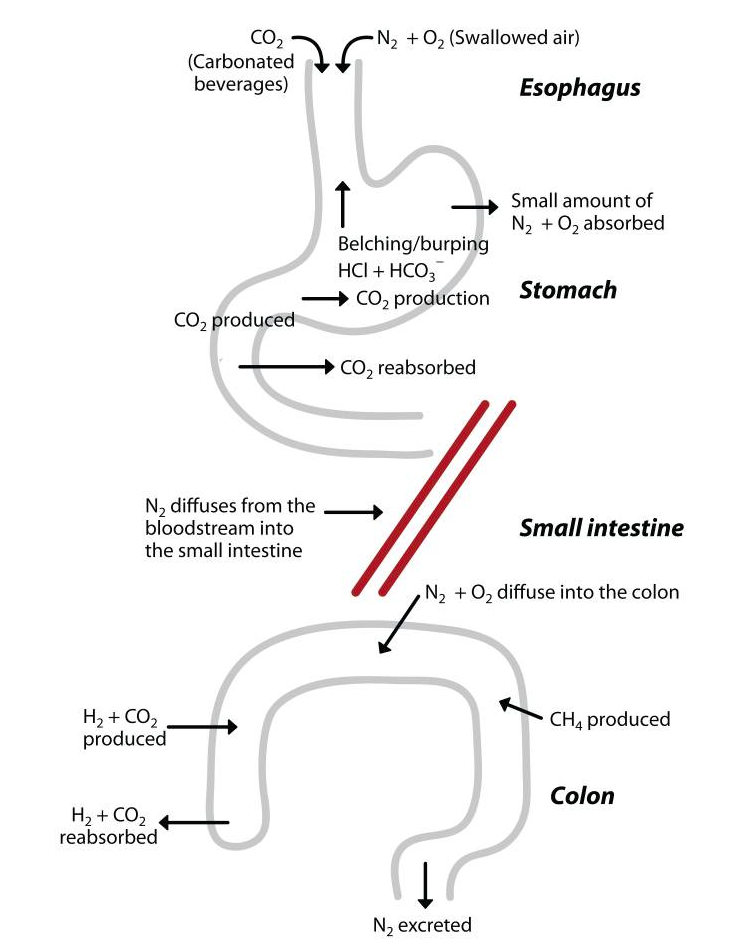
Why Certain Foods Cause Bloating and Gas
Bloating often begins when foods are only partially digested in the small intestine and move into the colon, where bacteria ferment them into gas. This is a normal biological process, but when digestion is weak or the microbiome becomes imbalanced, fermentation increases — producing larger volumes of gas or different types of gas that trigger discomfort, bloating, and pressure. Understanding which foods ferment most easily can help you make smarter choices to reduce symptoms naturally.
Foods Commonly Fermented Into Gas
These foods are incompletely digested in the small intestine and are therefore fermented by colonic bacteria:
- Lactose, especially in individuals with lactase deficiency (1)
- Fructose (fruit sugar)
- Sorbitol (found in sugar-free products)
- Legumes such as beans, lentils, stachyose, raffinose (1)
- Complex carbohydrates, particularly wheat (1)
How the Microbiome Influences Bloating
Altered or imbalanced gut microflora can change:
- The type of gas produced
- The volume of gas produced
- These variations play a major role in bloating symptoms.
- Several studies confirm the relationship between gas-producing bacteria and the experience of bloating. (6)
The Five Primary Intestinal Gases
The most common gases found in the gastrointestinal tract include:
- Nitrogen (N₂)
- Oxygen (O₂)
- Hydrogen (H₂)
- Carbon dioxide (CO₂)
- Methane (CH₄) (1)

Causes Of Gas In The Stomach
Irritable Bowel Syndrome and Bloating
Gas buildup in the stomach is often a downstream effect of deeper digestive imbalances—especially issues occurring in the intestines and colon. One of the most common contributors is Irritable Bowel Syndrome (IBS), which affects motility, digestion, and the body’s ability to clear gas efficiently. When gas cannot move through the intestines properly, it accumulates, causing abdominal distention, discomfort, and persistent bloating.
How IBS Contributes to Gas and Bloating
- Individuals with IBS or constipation often have reduced ability to evacuate gas, leading to increased bloating and abdominal pressure.
- Motility disturbances in IBS slow the movement of gas through the digestive tract.
- Stress-related muscle reflexes and poor posture can further interfere with normal gas clearance.
Mental–Emotional Factors
Women with moderate-to-severe bloating more frequently report:
- A history of major depression
- More severe depression and anxiety (1)
- This reinforces the strong connection between emotional wellbeing and digestive symptoms.
Supportive Natural Approaches
Stress managment and relaxation techniques that may help reduce bloating in IBS include:
- Meditation
- Massage
- Slow breathing exercises
- Gentle stretching or yoga
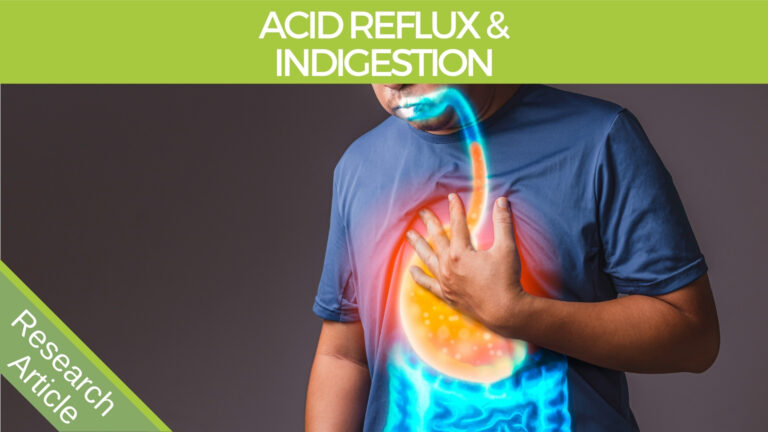
Indigestion and Bloating
Bloating is one of the most frequently reported symptoms among people with functional gastrointestinal disorders. These include functional dyspepsia (indigestion), irritable bowel syndrome, and functional constipation, all of which commonly overlap and contribute to abdominal discomfort (9).
Reflux and dyspepsia often occur together, making them difficult to distinguish clinically. Because acid reflux and indigestion frequently coexist, many people experience bloating alongside burning, heaviness after meals, and upper abdominal pressure (10). Read more about acid reflux.
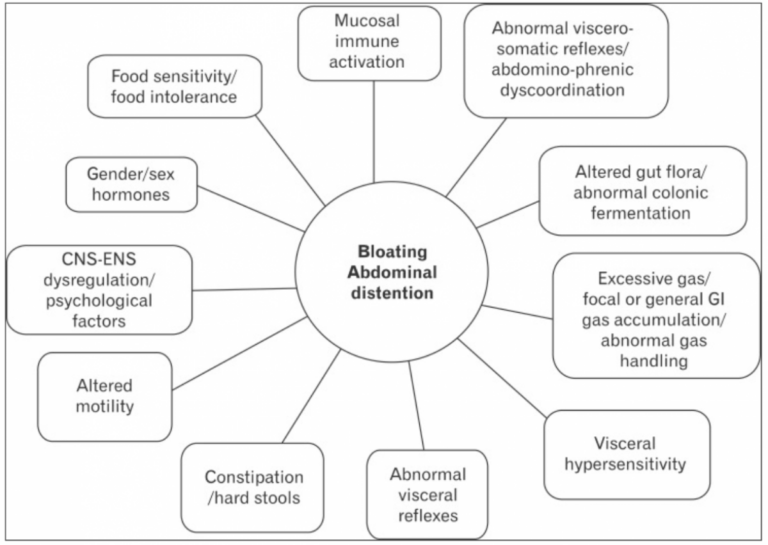
The diagram below illustrates how many different factors can contribute to bloating and gas. Because these causes vary so widely between individuals, this issue often evades simple one-size-fits-all treatment.
However, there are effective natural strategies—and we’ll explore these next.
Key Points
- Bloating is strongly associated with functional dyspepsia, IBS, and constipation (9).
- Indigestion and reflux often present together, worsening bloating (10).
- Causes of bloating are multifactorial and differ between individuals.
Natural treatments can help rebalance digestion and reduce discomfort.
What's good for bloating and what helps with gas?
Because this condition is complex and can be difficult to treat with conventional drugs, the natural approach is worth investigating first. That’s what we will do here.
A combination of simple dietary changes and herbal remedies should give great results. Because these can be done at home without medical intervention the stress factor is also reduced.
Start with a good herbal cleansing program and it will incorporate all of these recommendations.

Dietary Advice For Bloating and Gas
Elimination diet
Gastroenterologists usually direct patients to remove one possible offending substance at a time (ie, dairy first, then fructose-containing liquids, then fiber, and so on); however, some patients with severe bloating and abdominal distention prefer to begin with a strict elimination diet consisting of only water, broth, boiled chicken, and egg whites, and then they slowly add in different food groups.
Some patients have noted symptom improvement after minimizing carbohydrates and gluten, although this approach has not been well studied. (1)
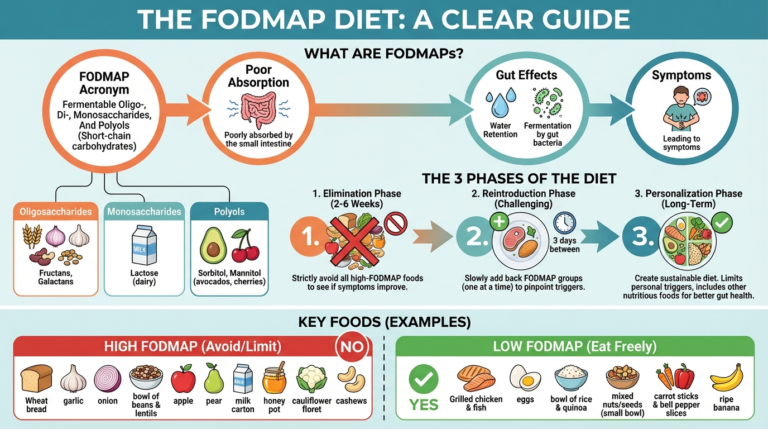
Low FODMAP Diet (Simplified Overview)
Many retrospective observational studies have shown that the reduced intake of large amounts of highly fermentable, poorly absorbed short-chain carbohydrates (FODMAPs) may reduce bloating in IBS patients. (6)
The Low FODMAP Diet is a short-term (2–6 week) eating plan used to reduce IBS, bloating, gas, and diarrhea. It works by cutting out certain fermentable carbohydrates (FODMAPs), then slowly reintroducing them to identify personal triggers. Developed by Monash University, it follows three stages: Eliminate → Reintroduce → Personalize.
What Are FODMAPs?
FODMAPs are poorly absorbed short-chain carbohydrates that draw water into the gut and ferment, causing bloating and gas. They include:
- Oligosaccharides: Fructans (wheat, onion, garlic), Galactans (beans, lentils)
- Disaccharides: Lactose (dairy)
- Monosaccharides: Fructose (apples, honey)
- Polyols: Sorbitol, mannitol (avocado, cherries)
The 3 Phases
- Elimination (2–6 weeks): Avoid all high-FODMAP foods.
- Reintroduction: Add one FODMAP group at a time to identify reactions.
- Personalization: Build a long-term diet avoiding only your unique triggers.
FODMAP Diet Food Examples
- High FODMAP (avoid/limit): Wheat, garlic, onions, beans, lentils, apples, milk, honey, cauliflower, cashews.
- Low FODMAP (safe): Plain meats, fish, eggs, rice, quinoa, most nuts/seeds, carrots, bananas, bell peppers.
Lectin-Free Diet (Overview)
Lectins are carbohydrate-binding proteins found widely in foods—around 30% of what we eat contains them. Some lectins resist digestion and may enter the bloodstream, where they can interact with intestinal cells.
Why Lectins Can Be a Problem
- In certain people—especially those with enzyme dysfunction or gut issues—excess lectins may:
- Bind to the gut lining and disrupt digestion
- Interfere with nutrient absorption
- Contribute to intestinal irritation or damage
- Trigger symptoms like bloating, gas, fatigue, or inflammation
Key Takeaway
A lectin-reduced diet can be helpful for those with digestive sensitivity, IBS, or leaky gut, as it reduces a common irritant and supports improved gut barrier function.

Foods To Reduce Bloating & Gas
Certain whole foods help calm the digestive tract, reduce fermentation, and support healthy gut motility.
The best anti-bloat foods include:
- Stewed apples – (cooking reduces FODMAP) rich in pectin and soft fiber; soothe the gut lining
- Vegetable soup – easy to digest, hydrates and gently moves the bowels
- Cucumber – high water content; cools inflammation and flushes excess fluid
- Cooked greens (e.g. spinach, zucchini) – gentle fiber source that promotes regularity without bloating

DETOX and cleansing diet
A detox elimination diet followed by a combination of digestive herbs has been found to be of great assistance. (see client reviews below)
Herbal Remedies For Bloating and Gas
The good news is that a great number of natural herbs have an excellent effect when it comes to relieving gas and bloating. The category of medicinal herbs that reduce gas is called carminatives.
Follow the links for complete articles on each herb.

Peppermint – (Mentha piperita) leaf
The pharmacological studies in vitro and in vivo showed antispasmodic effects on the smooth muscle of the digestive tract, choleretic activity (bile production), and reduction in the tonus of the oesophageal sphincter (relaxes the oesophagus muscle) enabling the release of the entrapped air. The clinical studies of the essential oil, have demonstrated efficacy for the symptomatic relief of minor spasms of the gastrointestinal tract, flatulence, and abdominal pain. (2)

Fennel (Foeniculum vulgare) Seed
Crying time reduction was observed in 85.4% of subjects with infant colic, using Fennel, Lemon Balm, and Chamomile which showed that colic in the breastfed infant improves within 1 week of treatment. (4)

Pineapple (Ananas comosus)
Contains the enzyme Bromelain that can help improve digestion. Bromelain facilitates the breakdown of proteins into peptides and amino acids, which can be particularly beneficial for individuals who experience digestive discomfort, such as bloating and gas, after eating protein-heavy meals.

Papaya (Carica papaya)
Contains the enzyme Papain that can help improve digestion. Papain has various therapeutic applications due to its protein-digestive properties. It’s used in digestive aids to help relieve symptoms of indigestion and bloating, especially when these are caused by high-protein meals that are difficult to digest.

Kiwifruit (Actinidia chinensis)
Contains enzymes that can help improve digestion thus reducing indigestion-related bloating and gas. It contains a potent enzyme known as actinidin, which, like bromelain in pineapple and papain in papaya, helps break down proteins in the digestive system.
These are the best but many other fruits also contain digestive enzymes – Maybe that’s why fruit salad is often a popular dessert!

Ginger (Zingiber officinale) Rhizome
Ginger is traditionally used as a home remedy and is of immense value in treating various gastric ailments like constipation, dyspepsia, belching, bloating, gastritis, epigastric discomfort (pain below your ribs in your upper abdomen), gastric ulcerations, indigestion, nausea and vomiting, and scientific studies have validated the traditional uses. (3)
Licorice (Glycyrrhiza glabra) Root
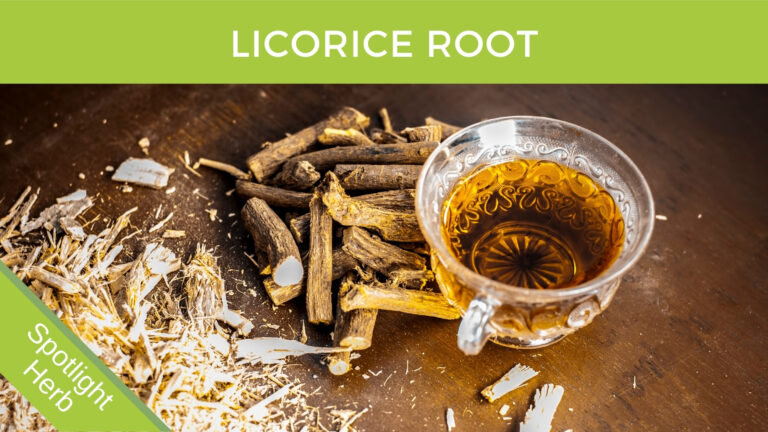
Licorice is used for various digestive system complaints including stomach ulcers, heartburn, colic, and ongoing inflammation of the lining of the stomach (chronic gastritis). A mixture of dried powdered slippery elm bark, lactulose, oat bran, and licorice root significantly improved both bowel habit and IBS symptoms in patients with constipation-predominant IBS. (5)
Other common herbs used to help relieve bloating and gas include chamomile tea, caraway seeds, and parsley, all of which can be found in the kitchen and used with your food. Most of the herbs mentioned above can be included in food or used as herbal teas with food.

Digezaid - Best Herbal Product For Bloating and Gas
Digezaid contains herbs that support comfortable, healthy digestion and maintains intestinal health.
The formula also contains the enzymes Papain, Bromelain, and Kiwifruit to improve the digestion of proteins and soothing herbal agents such as Peppermint, Ginger, and Fennel to calm digestive discomfort such as bloating and gas.
Cayenne and Licorice are included to support intestinal wall healing and to control negative bacteria that can cause ulcers and inflammation of the gut wall.
Digezaid 120 capsules – Herbal Ingredients
Click on the individual ingredient names for more information on how each herb works.