- 4 years ago
- 2Minutes
- 620Words
- 1198Views
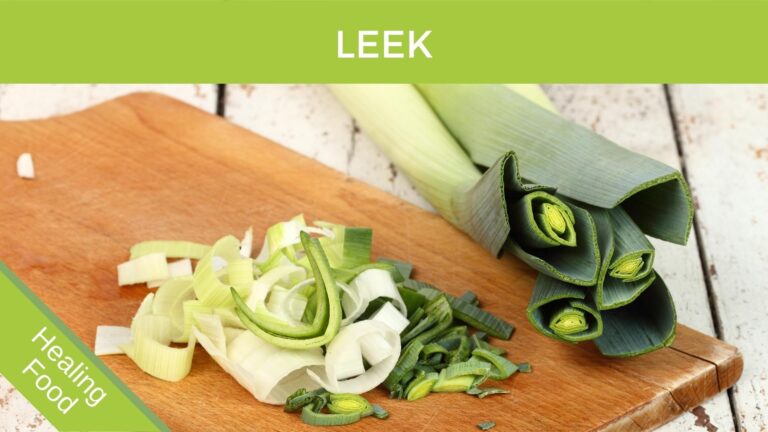
Not one of the most exciting vegetables in your garden, but much like onions leeks are super versatile and very healthy.
They are also very high in fiber, low in sugars and very satisfying to eat when on a cleansing diet.
(1) Effects of Persian leek (Allium ampeloprasum) on hepatic lipids and the expression of proinflammatory gene in hamsters fed a high-fat/ high-cholesterol diet. PUBMED https://www.ncbi.nlm.nih.gov/pmc/articles/PMC4967837/
(2) Effects of Pectic Polysaccharides Isolated from Leek on the Production of Reactive Oxygen and Nitrogen Species by Phagocytes. PUBMED https://www.ncbi.nlm.nih.gov/pmc/articles/PMC3751262/
(3) The role of diallyl sulfides and dipropyl sulfides in the vitro antimicrobial activity of the essential oil of garlic, Allium sativum L., and leek, Allium porrum L. PUBMED https://www.ncbi.nlm.nih.gov/pmc/articles/PMC4428374/
Scientific Evidence
Fatty Liver
One study suggests that considering the useful effects of Persian leek in reducing liver fats, TNF-α expression and plasma ALT, it might be considered as a herb with the potential of reducing liver triglycerides accumulation induced by high-fat diets. (1)
Immune function
It is known that some plant polysaccharides are good modulators of the immune system. One of the most promising recent alternatives to classical medical treatment is the use of immuno-modulators for enhancing defense responses. In recent decades, polysaccharides (complex plant sugars) including pectic substances isolated from plant sources, have attracted a great deal of attention because of their broad spectrum of therapeutic properties and relatively low toxicity. It is suggested that polysaccharides may activate macrophages via receptor or other surface structures.
Findings make leek a valuable source of biologically active polysaccharides, which could also be considered for further medicinal applications. (2)
Anti-microbial
There is an antimicrobial activity of the sulfide derivatives present in Allium ampeloprasum species similar to those found in garlic and onions. (3)
Conclusion
Much like garlic and onions, leeks contain sulfur and other compounds which are anti-microbial, boost immune function and help reduce fatty liver. The perfect storm when it comes to helping your body cleanse from the effects of metabolic toxicity.
Try these recipes: